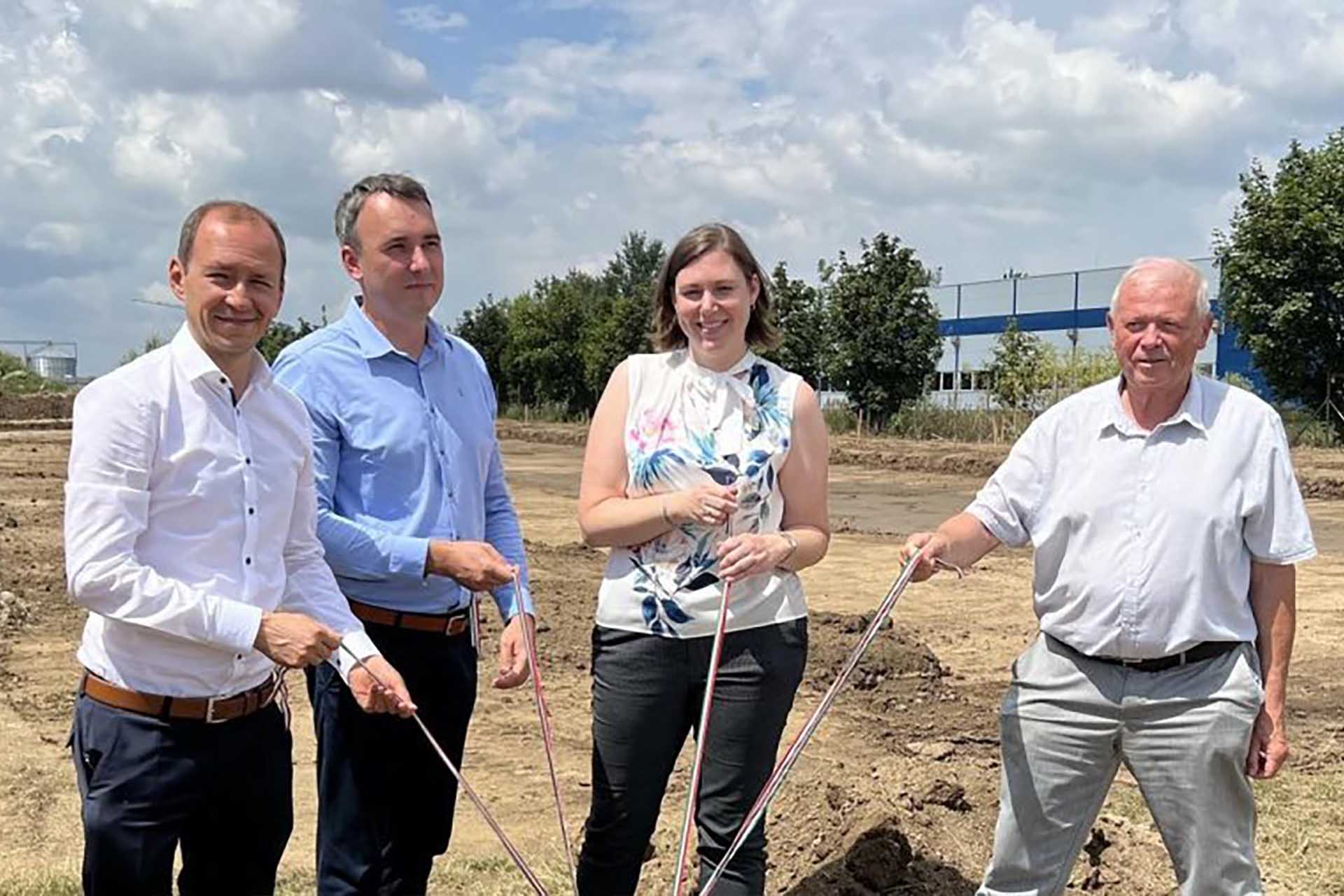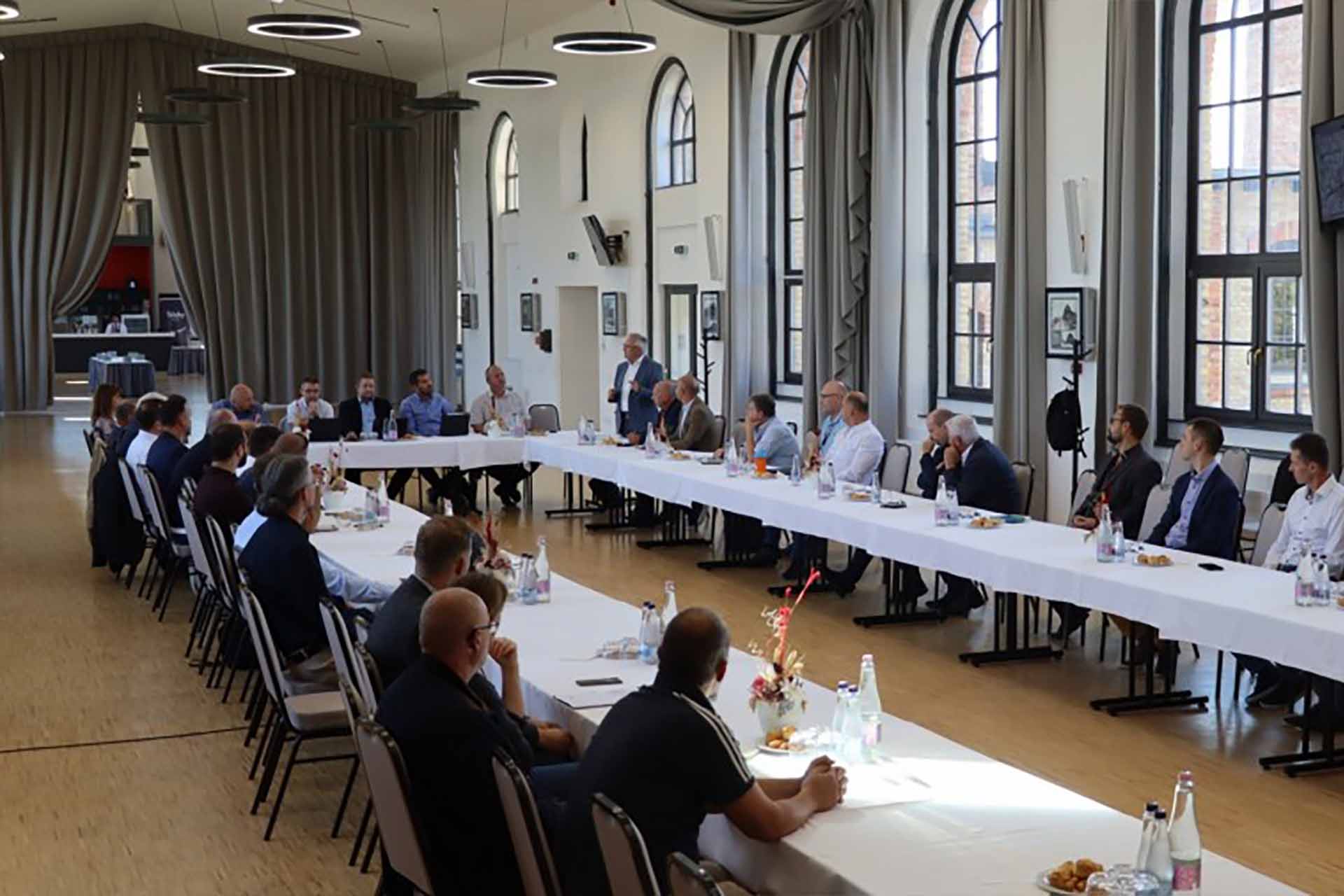

The Universitas Quinqueecclesiensis Foundation, which operates the University of Pécs, has initiated a comprehensive development program. The UniNext Innovation Program was created with the goal of driving change by addressing the region’s greatest challenges in a comprehensive and sustainable manner. The program brings together initiatives such as the PTE Science Park project and the Universitas Industrial Park, which is one of the country’s largest investment-promoting projects. The program will also include transportation development, office development, and environmental protection projects. Thanks to this program, which aims to reverse negative social and economic trends, thousands of new jobs could be created in the coming years, and significant foreign direct investment could flow into this currently underdeveloped region. According to a representative public opinion poll by the local Chamber of Commerce and Industry, 93 percent of residents in and around Pécs agree that the county’s economic decline must be halted. Furthermore, 98 percent of those surveyed believe that more jobs must be created in the region, local small and medium-sized enterprises must be supported, and opportunities must be created for young people to thrive locally.
Bringing the South Transdanubia region up to speed is one of the most important tasks of domestic regional development. The UniNext Innovation Program also aims to reverse the region’s decades-long trend of economic lag. Launched at the initiative of the foundation, this comprehensive, sustainably implementable program for economic and regional development, as well as health and education development, will primarily benefit the local community and the business sector.
“We need a comprehensive program that clearly defines everyone’s role and sets out the expected outcomes. Through the UniNext Innovation Program, building on the expertise available at the university, we are initiating the coordination of regional development plans in cooperation with local governments, the Chamber of Commerce and Industry, institutions, authorities, and the government,” – emphasizes István Decsi, Chancellor of the University of Pécs.
The goal of the UniNext Innovation Program is to improve the quality of life for residents in the region, enhance the research, development, and innovation activities of local companies, and boost economic performance. Key elements of the program include the development of the university’s Science Park and the creation of the Universitas Industrial Park, which, as one of the country’s largest investment zones, can help accelerate local transportation development and attract working capital. The program also paves the way for infrastructure developments that will enhance both the reliability and quality of public utility services in the region.
“I believe that the future of this region depends on the safety of its residents. UniNext is a game-changing development program that affects the entire Baranya County and the South Transdanubia region. We can integrate and implement scientific, sustainability, educational, economic, and regional development plans in a coordinated manner, bringing a high quality of life, a predictable future, and continuous development for the people living here and the businesses operating here,” – emphasized István Decsi.
As the largest organization in the region with the most extensive network of contacts, the University of Pécs is not only the initiator of the UniNext Innovation Program but also an active participant through its development efforts.
Thanks to UniNext, thousands of new jobs could be created in the coming years, and significant foreign investment capital could also flow into the region. More than 250 billion forints will be spent on transportation development, including the implementation of key projects such as the extension of the M60, the widening of Main Road 6, as well as additional transportation infrastructure projects to ensure unimpeded access to the 600-hectare industrial park. In addition, developments will be implemented to guarantee a stable and sustainable supply of public utilities to the industrial park and surrounding communities, thereby ensuring the long-term security of the region’s energy and drinking water supply.
“We need a program that benefits both local residents and businesses,” emphasizes Dr. Tamás Síkfői, president of the Pécs-Baranya Chamber of Commerce and Industry. He adds that, based on proposals received from businesses, a key priority for local companies is the development of the expressway network and main rail lines, as well as the creation of smaller, SME-focused industrial parks, as well as the development of a larger-scale industrial park near Pécs. Among other things, businesses in Baranya consider investments in environmentally conscious technologies, the circular economy, smart technologies, and logistics, and would place great emphasis on the development of technical education and regional vocational training, as well as on cooperation between local governments, the university, and professional chambers.
The Chamber of Commerce and Industry also assessed the needs of the local population through a recent, representative public opinion poll. According to the survey, 93 percent of those living in and around Pécs agree that the county’s economic decline must be halted. Furthermore, 98 percent of those surveyed believe that more jobs need to be created in the region, local small and medium-sized enterprises need to be supported, and opportunities must be created for young people to thrive locally.