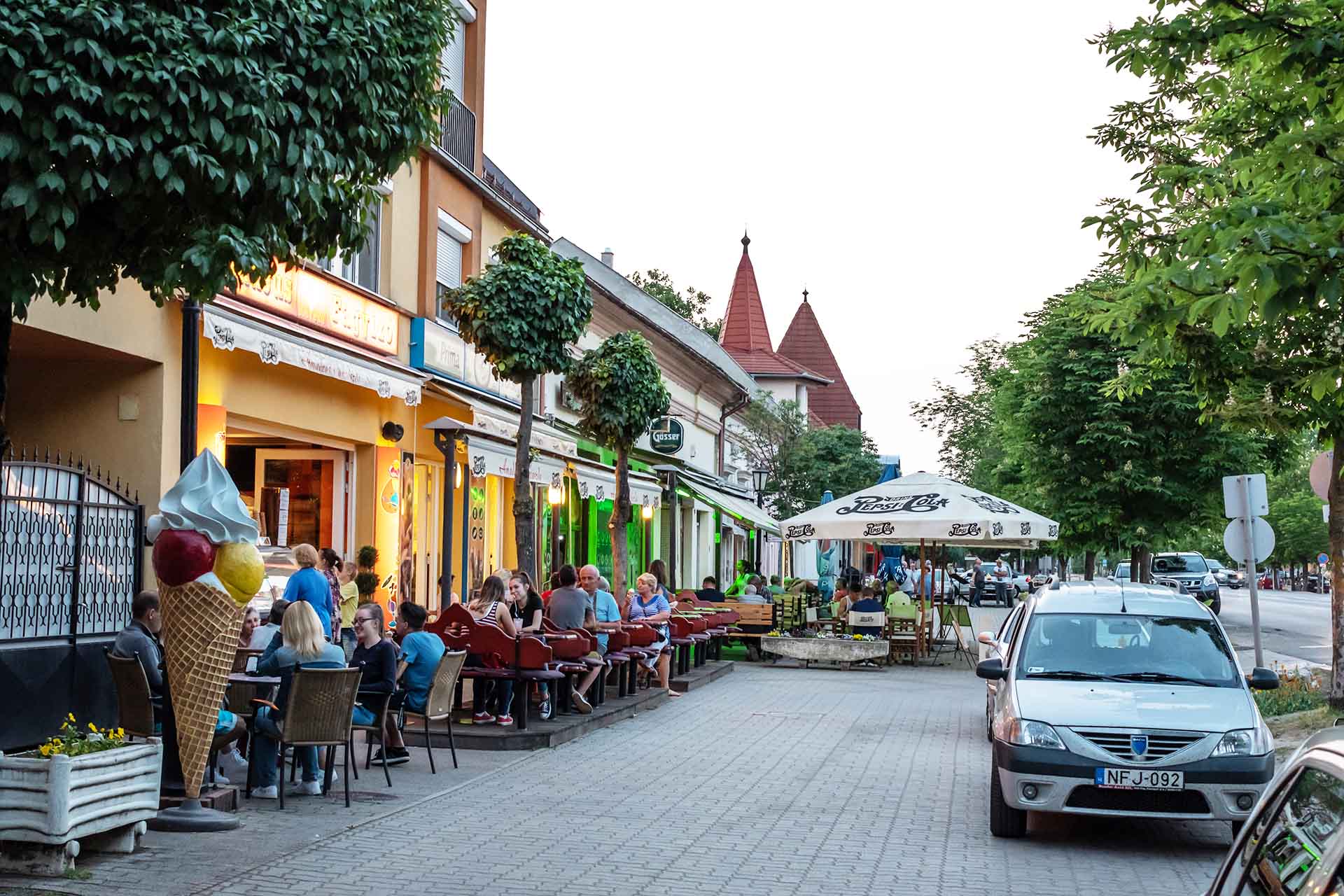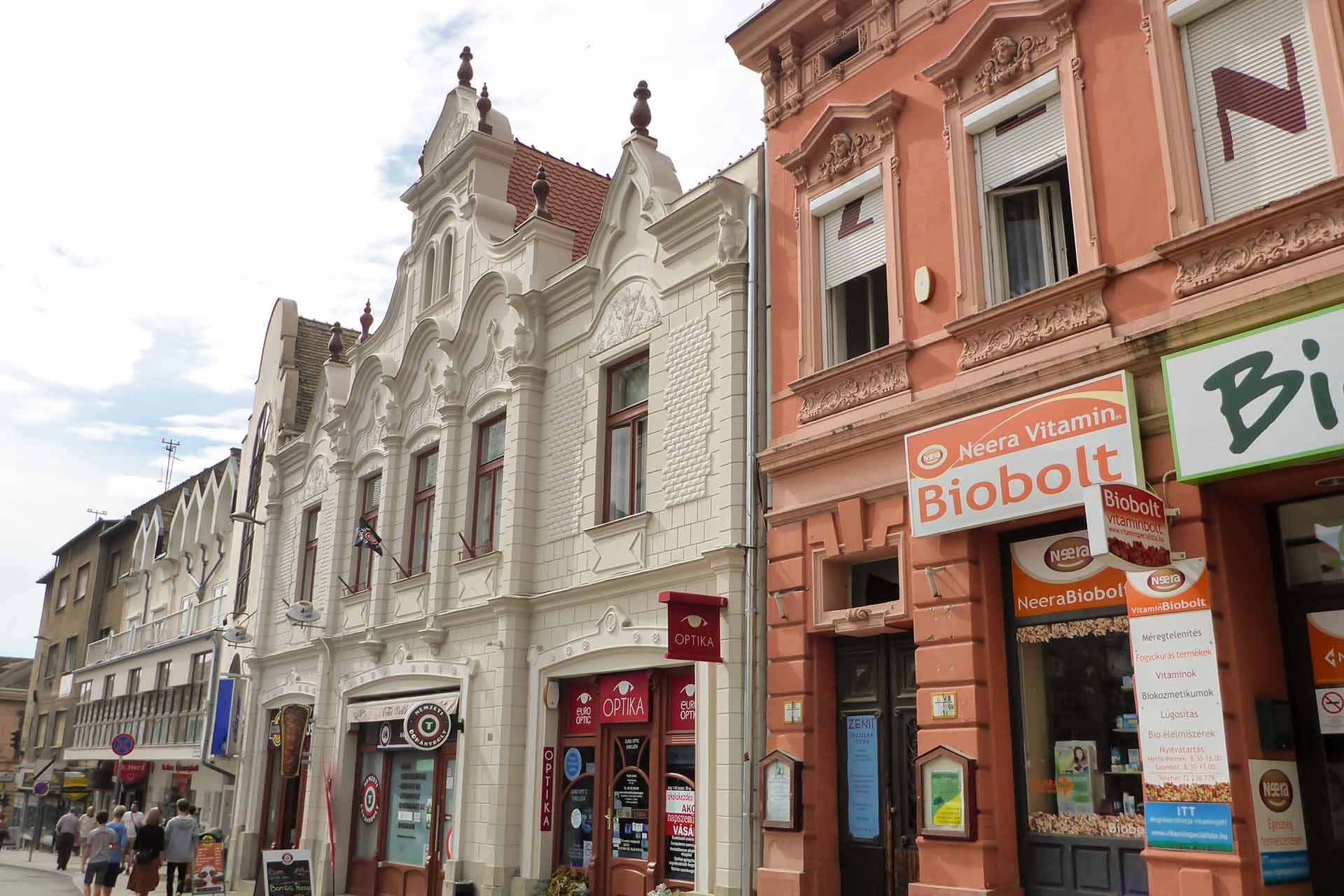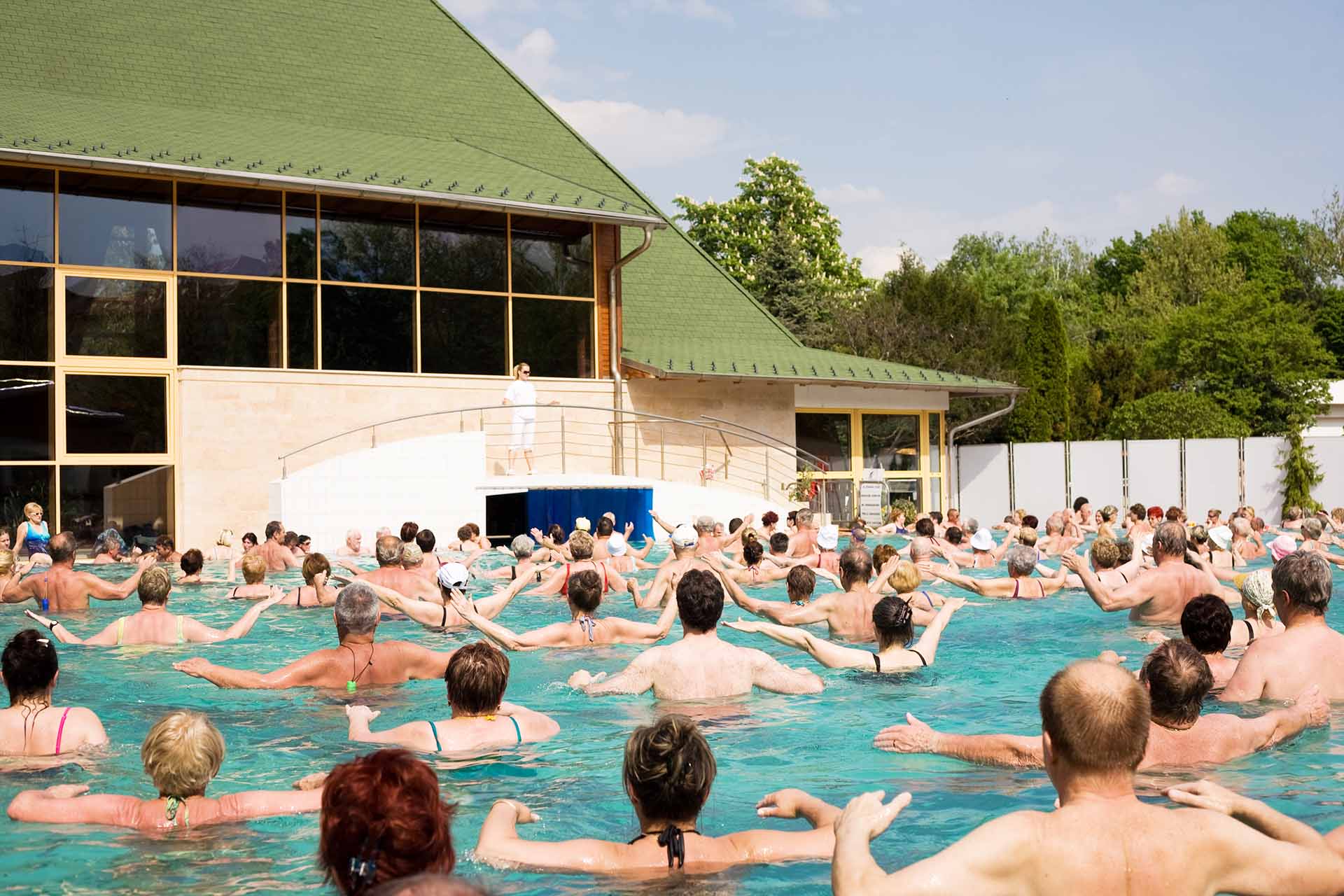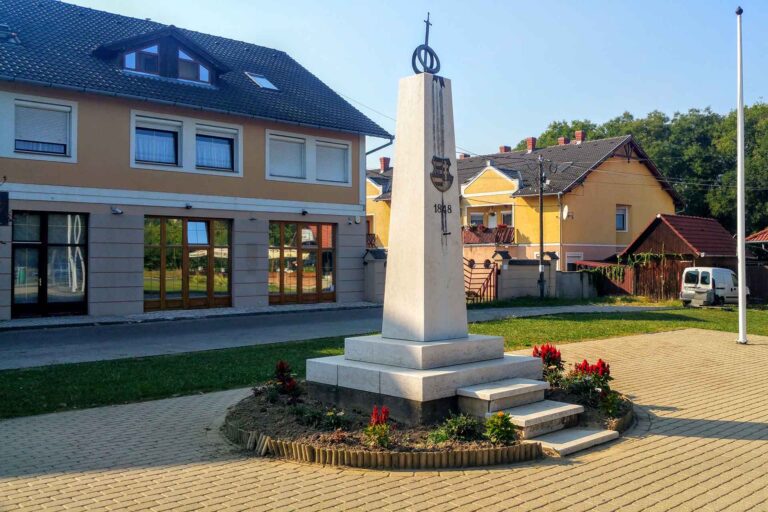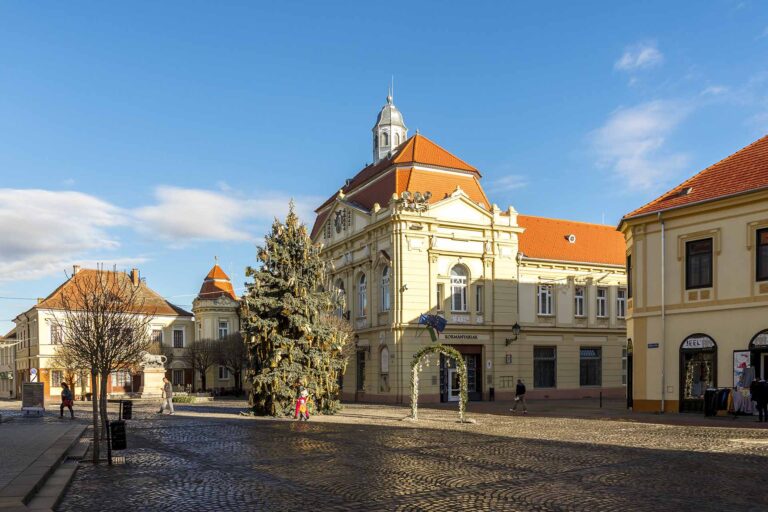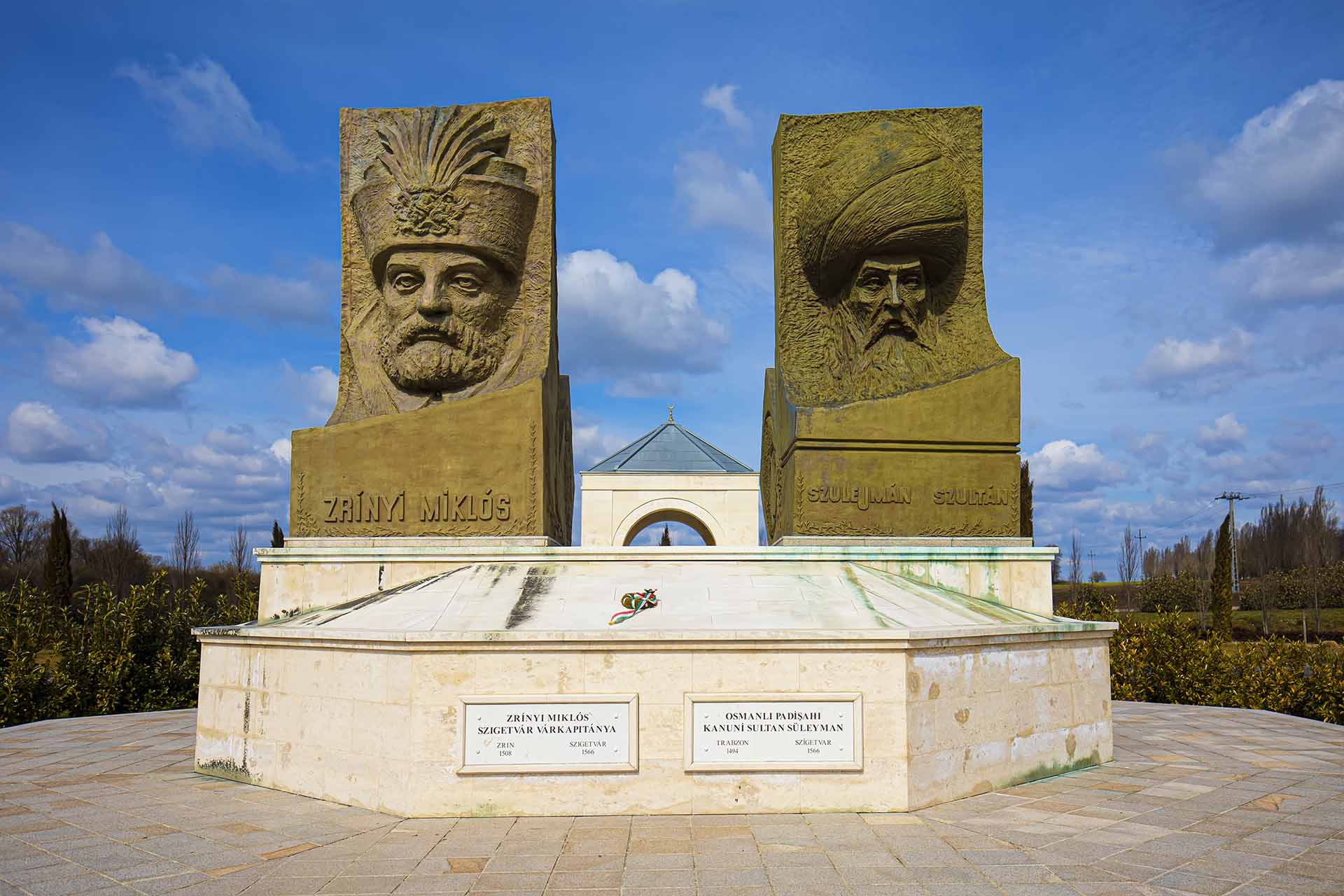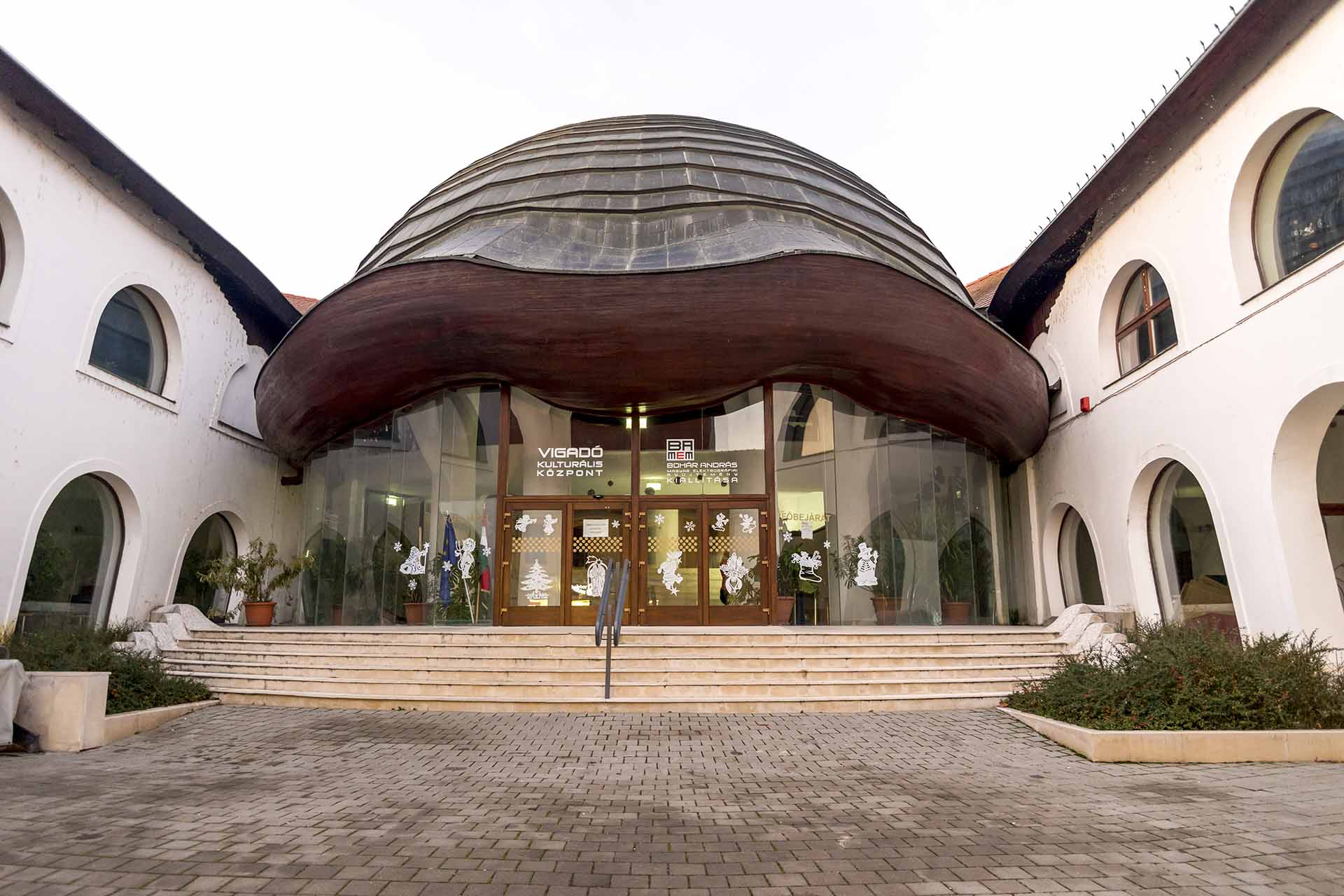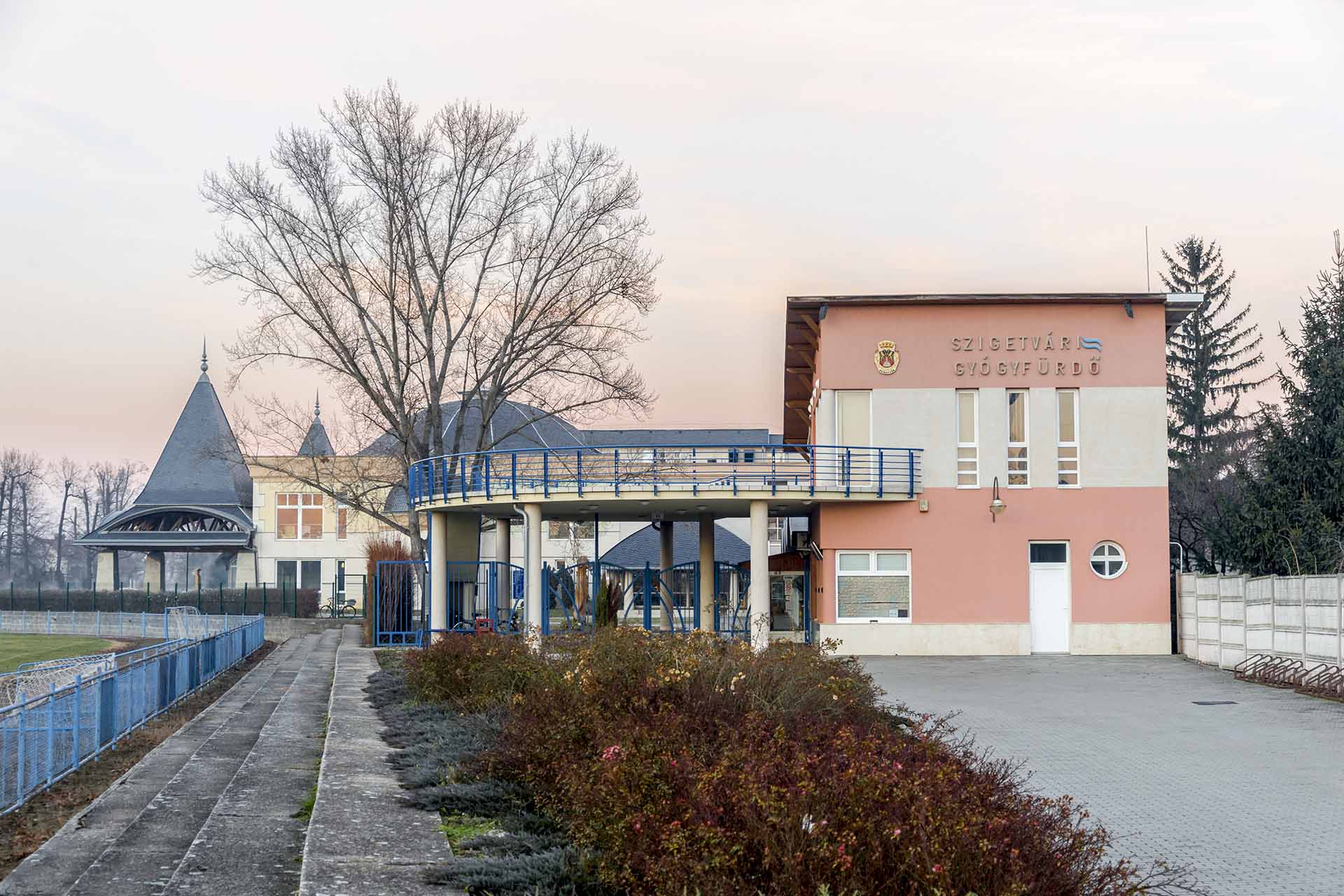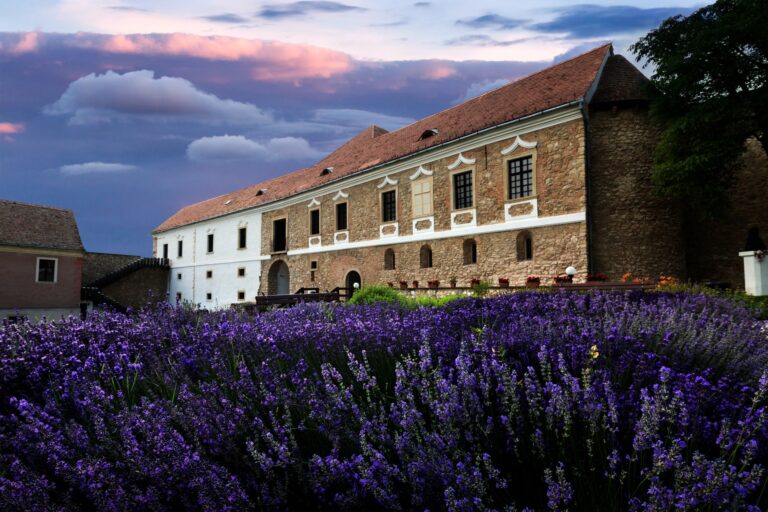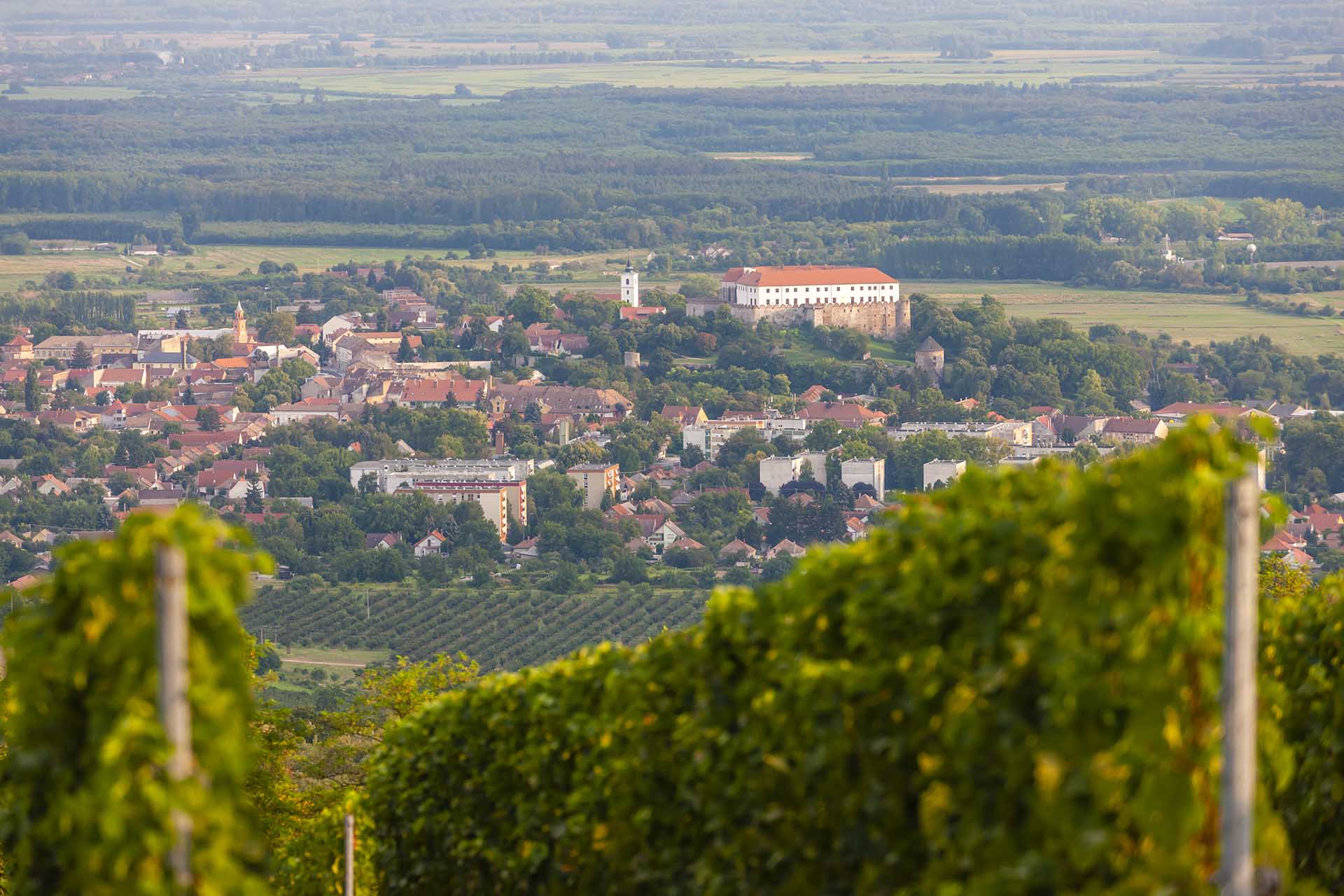
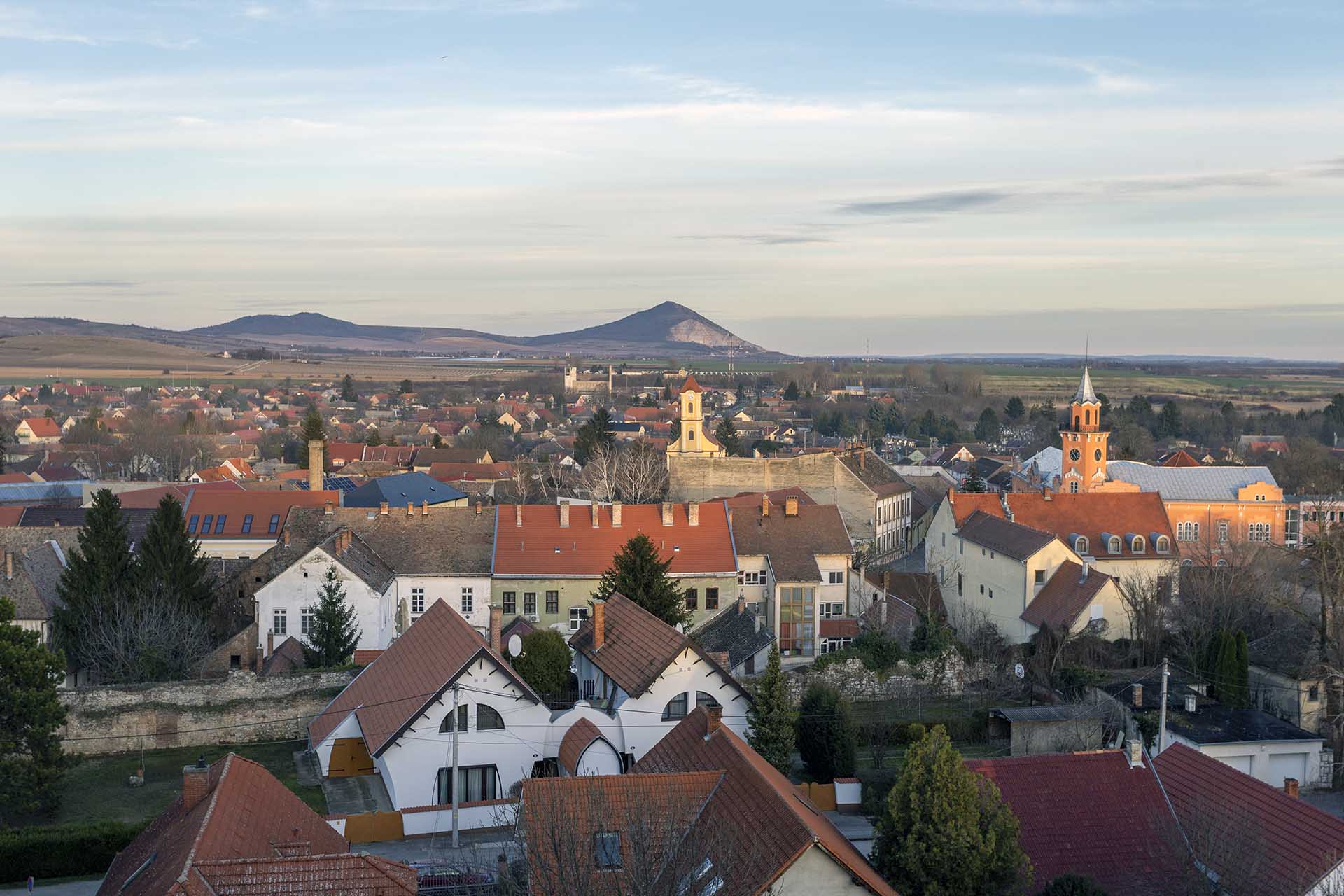
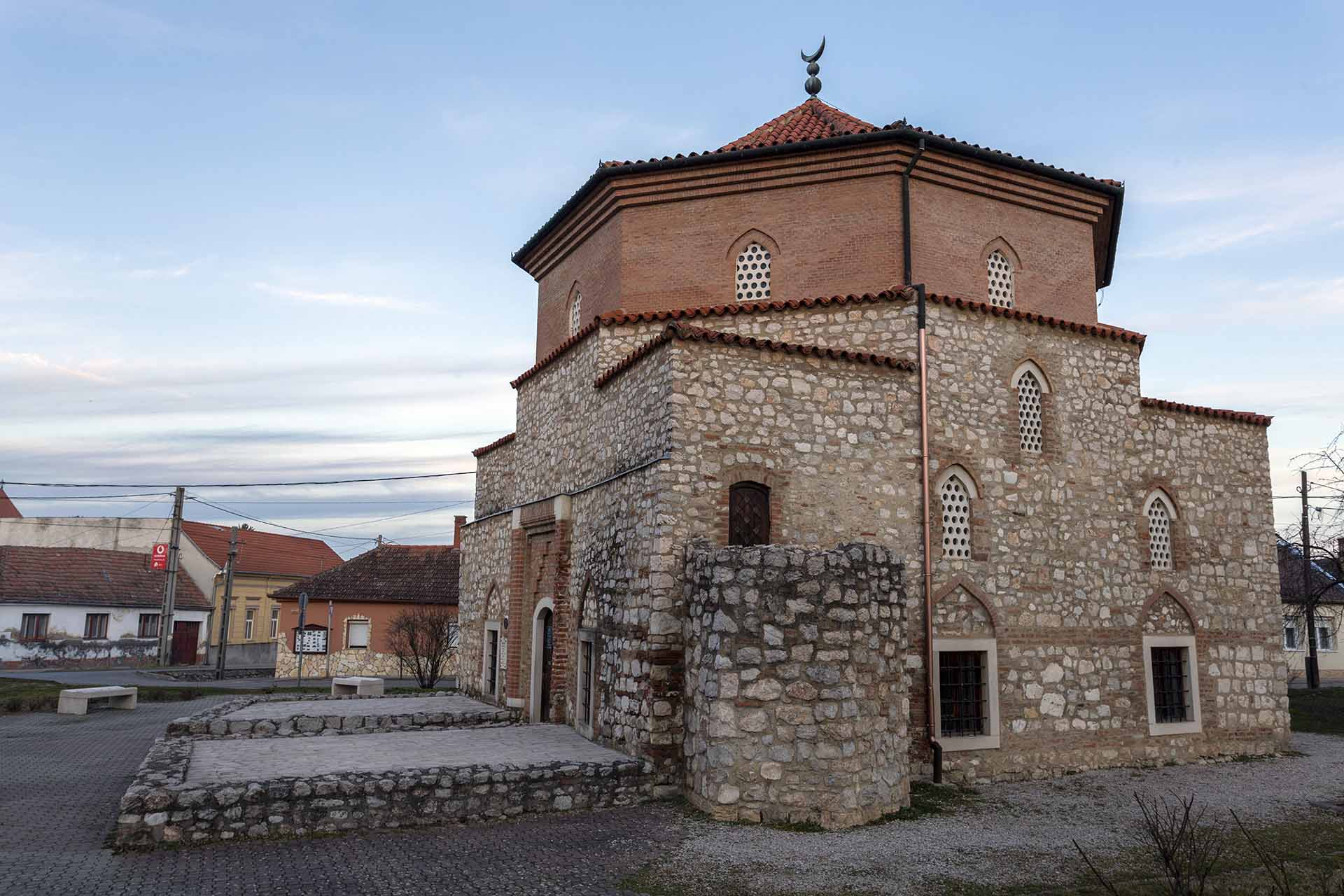
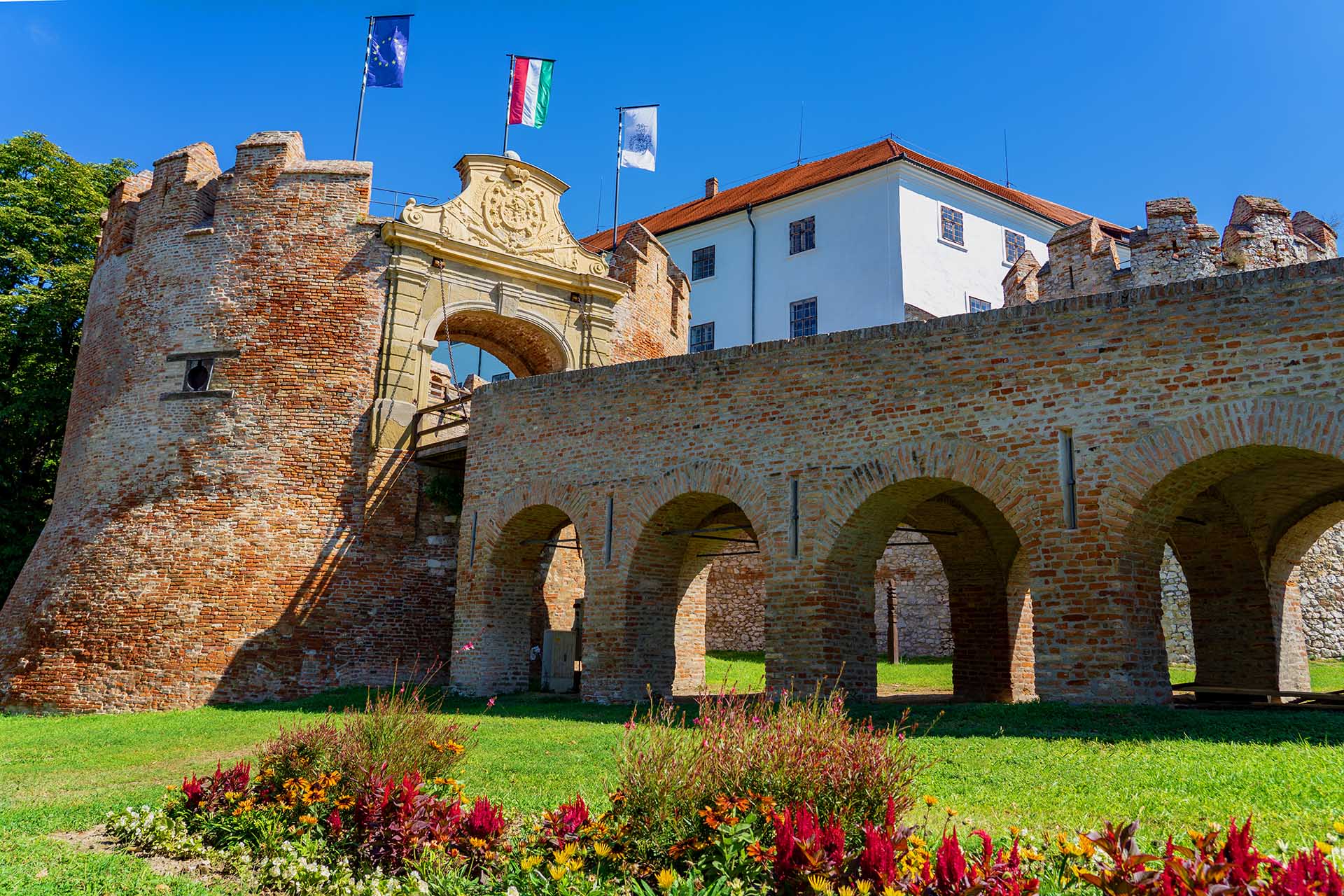
Due to its size, it plays a central role in a region dominated by small villages and towns. It is mainly known for tourist attractions (castle, historical buildings, thermal baths). Its economy is tourism In addition to its prominent role, it stands on several legs, industry and agriculture many sectors are represented.
Transport and logistics
Siklós lies to the south of the Villány Hills, roughly in the middle of the mountain range. The Croatian border is barely 10 km away as the crow flies, and the crossing points are not much further: Drávaszabolcs is 13 km away and Beremend is 19 km away. Thanks to this location, through traffic bypasses the town, and the advantages of the border’s proximity are not accompanied by any transport disadvantages.
The county town is 29 km away: the quickest route is via the bypass running between the town centre and Máriagyűd, followed by the A58 main road. The nearest main road is the No. 6, which runs through Pécs. The nearest junction on the motorway network is the Pellérd–Pécs-Nyugat junction on the M60, which is 22 km from the town.
The town’s main transport corridors are the Harkány–Siklós–Villány route and the bypass running north of the town. Both are designed for moderate traffic, are in good condition and are capable of meeting current demand.
In both the Harkány and Villány directions, a dedicated cycle path runs alongside almost the entire stretch of road. From Harkány, the European Cycle Route Network, EuroVelo Route 13, is connected via a separate cycle path leading to Drávaszabolcs.
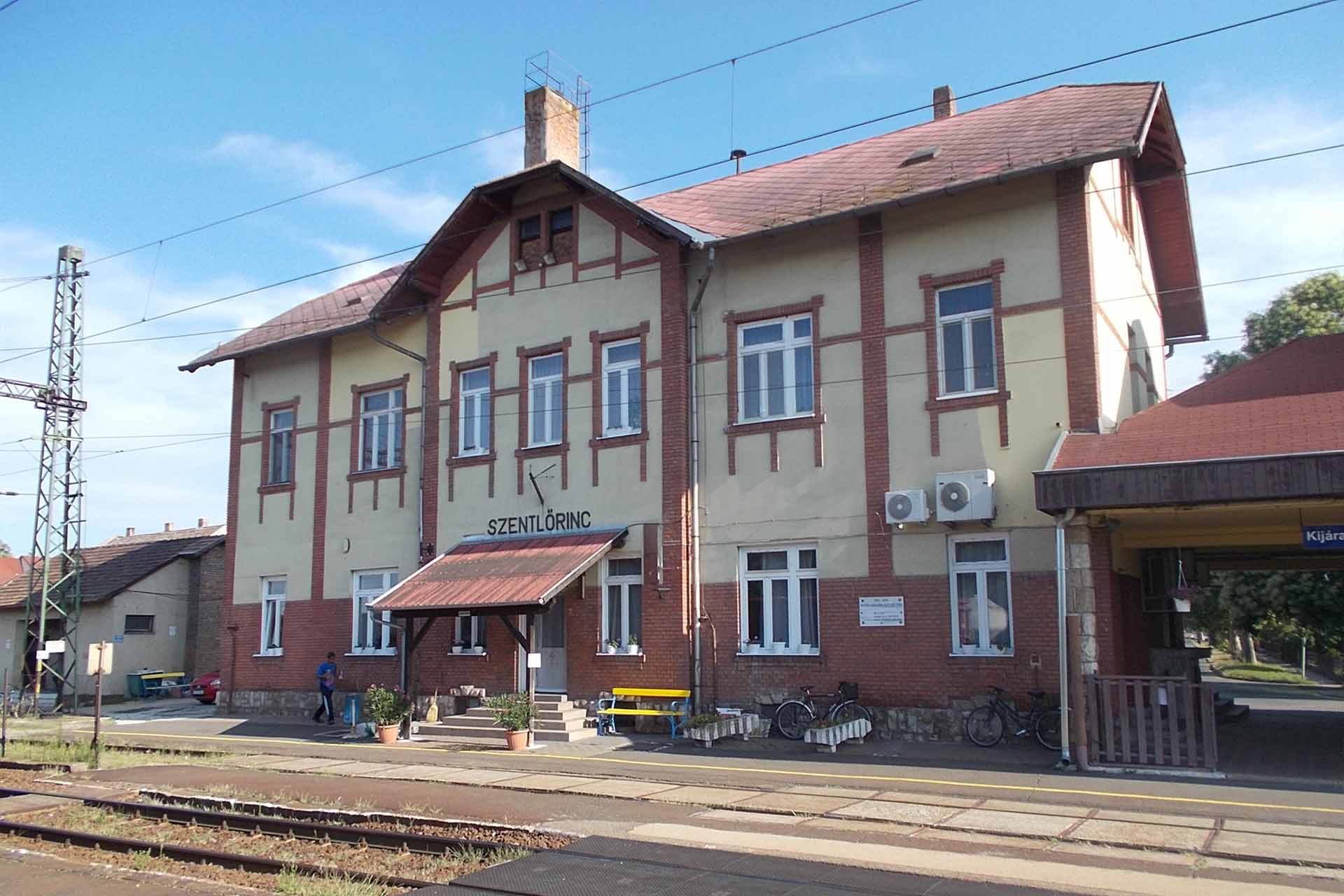
The nearest railway station is in Villány, 14 km away, but Pécs station is also within easy reach. The latter offers a wider range of options for both passenger and freight transport.
Local bus services are operated by the local council. A minibus runs three times a day between the town centre and Máriagyűd, which is free for those presenting a local residence card.
The town is a regional hub for intercity bus services, with many routes having their starting or terminus here. The service is of a high standard, the frequency of services is adequate, and the conditions for daily commuting from the surrounding settlements are in place. The main routes are to Pécs, Mohács, and towards Vajszló via the villages of the Ormánság region. From a tourism perspective, it is significant that two direct, non-stop bus services depart daily from the town to Budapest.
Population and employment
Siklós has a population of 8,826, making it, naturally, the largest settlement in the district. At the foot of the Villány Hills, there are around half a dozen small towns and villages with populations exceeding 1,000 situated in close proximity to one another (Beremend, Harkány, Nagyharsány, Siklós and Villány); looking further afield, however, a pattern of small villages is characteristic of both the northern and southern sides of the range. These geographical characteristics clearly determine Siklós’s leading role.
The working-age population in the entire Siklós district totals 22,293, of whom 2,374 are unemployed. In other words, the proportion of registered unemployed stands at 10.65%. Unemployment affects those with primary and secondary education the most. 5.27% of the unemployed have no formal qualifications, 47.60% have only completed primary school, and 44.73% have some form of vocational training. The proportion of graduates among jobseekers is just 2.32%.
The town of Siklós itself is in a similar situation to the district in terms of employment. The working-age population numbers 5,526, of whom 10.50% are unemployed.
Infrastructure and public services
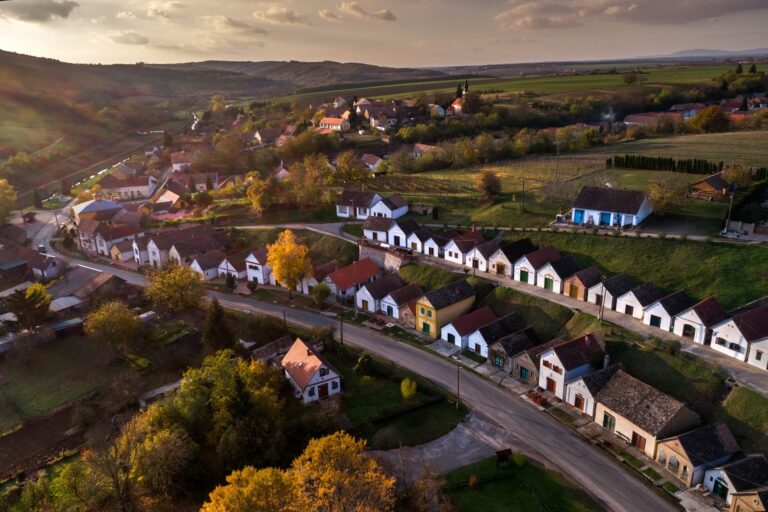
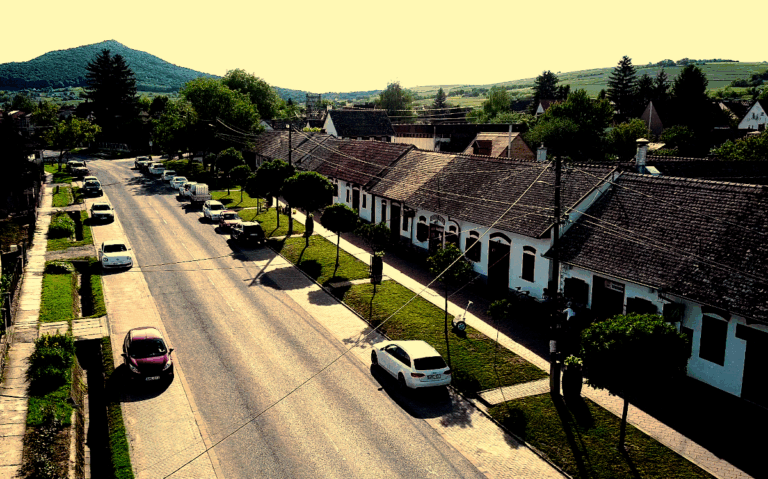
Siklós is characterised by a well-maintained townscape and local infrastructure in good condition. Roads within the town are all paved and in good condition, and the rainwater drainage systems are carefully maintained. Several key sections have recently been renovated. The local council’s plans include asphalting the roads leading to the vineyards on the town hill, so that the wineries can become part of the wine tourism circuit.
Drinking water supply and sewage disposal are managed by Dunántúli Regional Waterworks Ltd. (DRV Zrt.), with separate management teams for both areas in the town. Siklós has its own sewage treatment plant, which is also operated by DRV Zrt.
The district heating provider, Siklós-Hő Kft., is part of the French Veolia Group – they operate the heating plant and the entire pipeline network, including the associated heat distribution centres and heat receivers. Around a quarter of homes, more than a thousand households, are heated by district heating.
Siklós is the seat of the district comprising 53 settlements and home to more than 34,000 residents. The district office houses the food chain safety and animal health, regulatory and guardianship, employment and public health departments, the land registry and the government service centre.
The National Chamber of Agriculture maintains a village agronomist’s office in the town, which is open to the public seven days a week.
The full range of primary healthcare services is available in the town: there are GP practices for adults and children, a dental surgery, three pharmacies, an ambulance station and a health visitor service. The central GP out-of-hours service also accepts patients from surrounding towns outside of normal consultation hours.
The town hospital has 18 specialist departments, ranging from cardiology and rheumatology to oncology. Minor operations are carried out as day-case procedures. Patient care is provided in 146 beds for chronic and musculoskeletal rehabilitation; the occupancy rate for these exceeded 100% in 2019. Patients requiring more advanced diagnostic tests (e.g. CT, MRI) or hospital care that cannot be provided locally are referred to Pécs.
In Siklós, there is a crèche and two local authority-run and one church-run nursery schools, with a total of 304 children. Basic education is provided by four state and church-run primary schools, which offer both arts and music education and are attended by 875 pupils. The town has two secondary schools. The Táncsics Mihály Grammar School offers advanced language and IT teaching, whilst the Garai Miklós Vocational Secondary School mainly teaches hospitality and commercial trades at technician and vocational school levels. In the 2020–21 academic year, there were 207 grammar school pupils and 203 vocational students.
The most important micro-regional cooperation in the area is the Association of Border Settlements of South Baranya, based in Siklós. It was established through the collaboration of local authorities, civil society organisations and businesses from 88 settlements, with the aim of coordinating development plans and making more effective use of the region’s strengths.
The opportunities for local economic actors to represent their interests are supported by two organisations: the Siklós Entrepreneurs’ Association and the Entrepreneurs’ Round Table, which was established on the initiative of the local authorities.
Key economic players
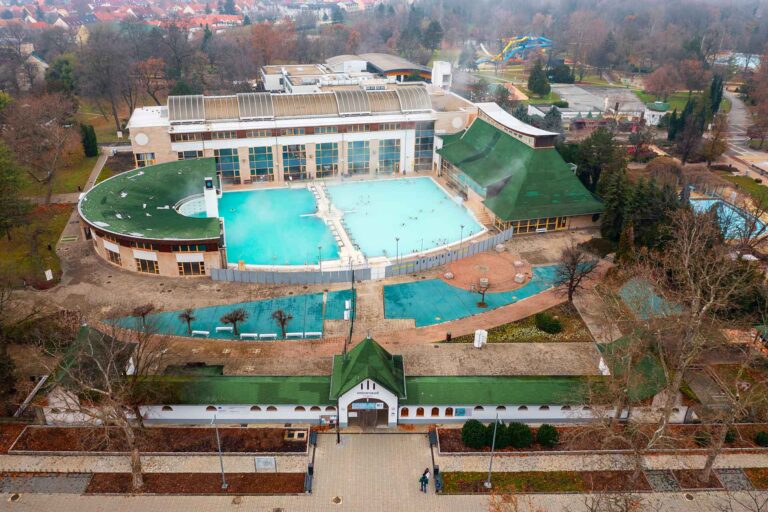
Siklós is a town focused on tourism and service provision, with a diverse economic structure. The town’s largest taxpayers are banks and commercial enterprises, alongside which construction and food industry companies play a significant role. However, tourism service providers have a strong influence on the character of the economy. There are two hotels offering rooms of at least three stars or equivalent, and 26 restaurants and cafés operating in the town, with the thermal baths and the castle being the main attractions.
There are 1,629 registered businesses in the town, of which 1,359 are sole traders and 270 are partnerships. Of these companies, 220 are actually in operation.
Without claiming to be exhaustive, here are a few examples of the more important businesses in Siklós:
- Bata Kereskedelmi Kft. – A company engaged in the wholesale, logistics and warehousing of various beverages, with several sites across the county.
- Bonus Kft. – A company specialising in the manufacture of plastic cleaning tools, sponges and wipes.
- Vivapalazzo Zrt. – A company specialising in building design and construction, including the construction of residential buildings, offices, production halls and multi-storey car parks.
- Siklósi Thermal Kft. – A company operating the town’s lido.
- Bern Építő Zrt. – A company specialising in the general contracting of building and civil engineering works.
- DJ & K Sütőipari Bt. – A company specialising in the production and sale of baked goods.
Areas designated for economic purposes
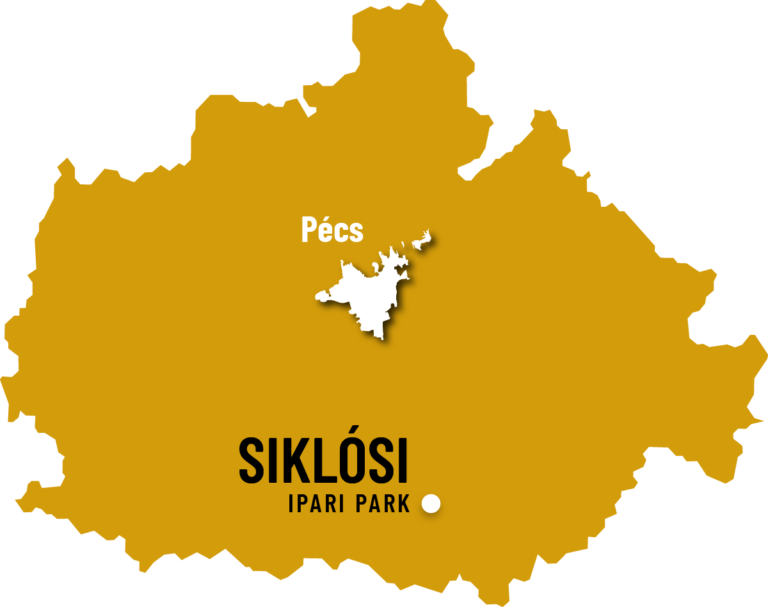
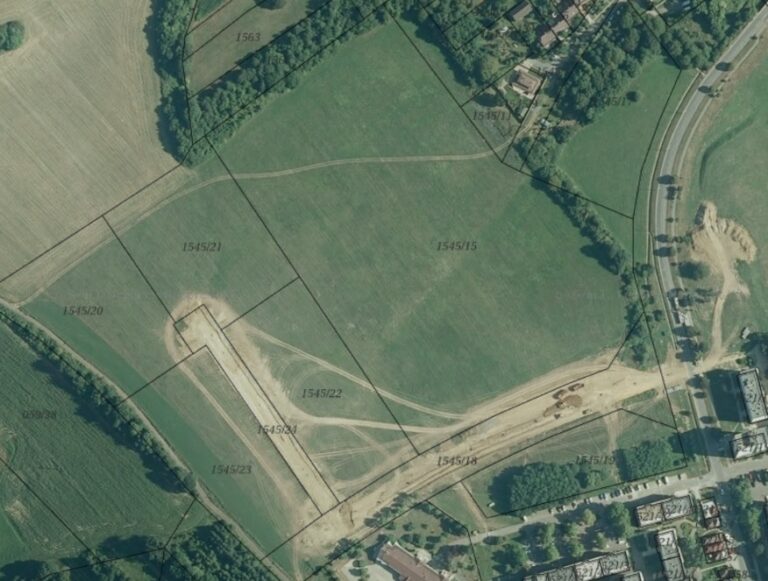
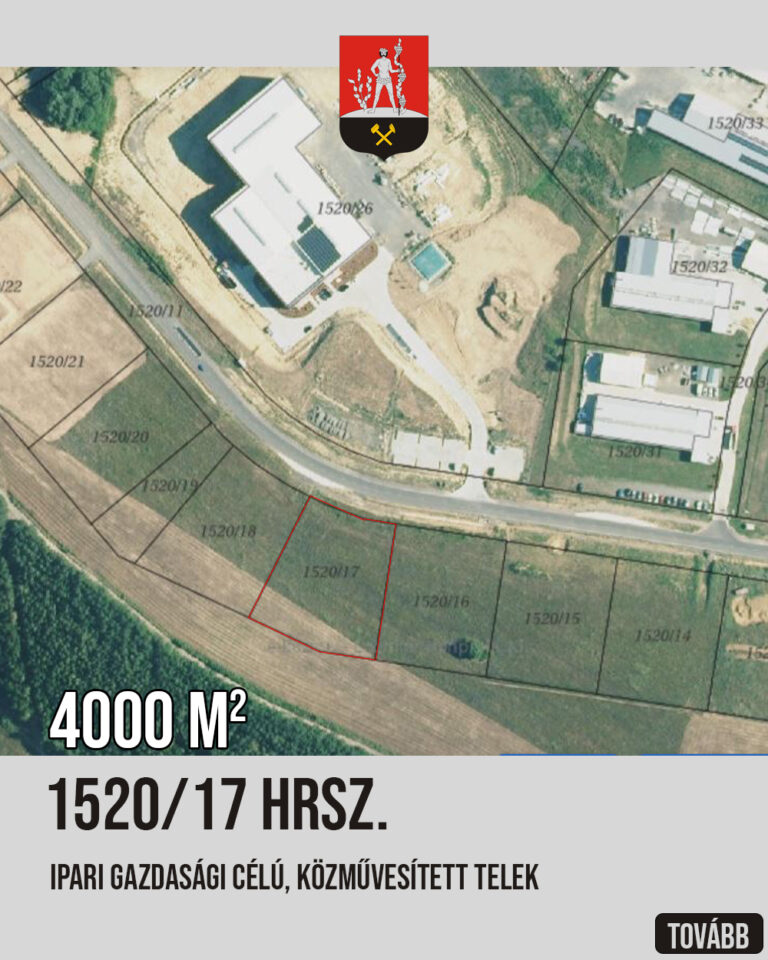
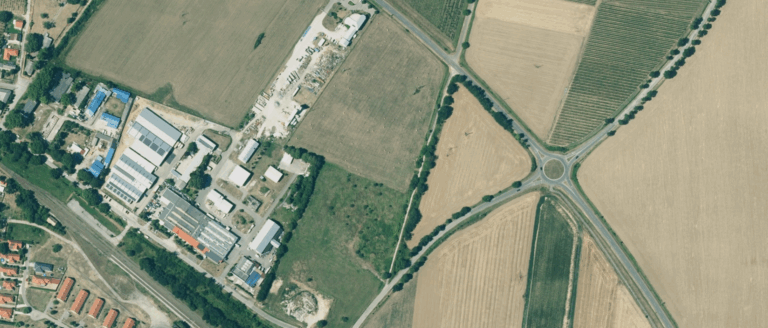
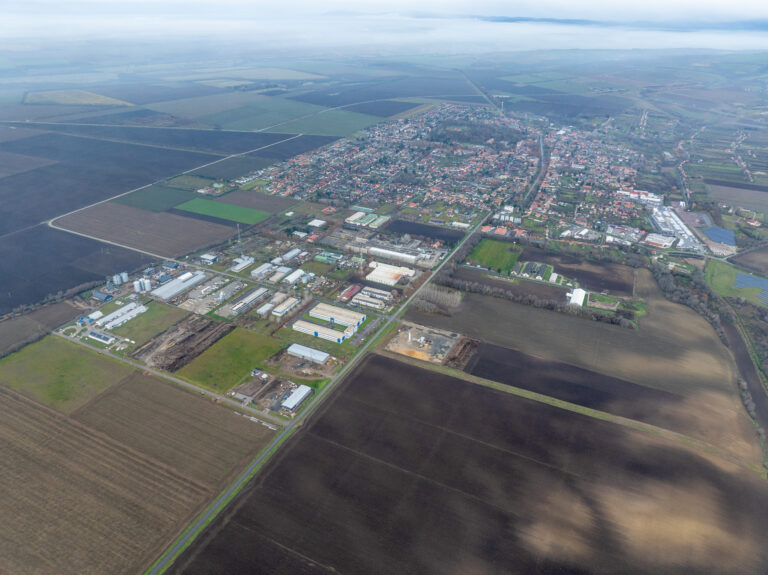
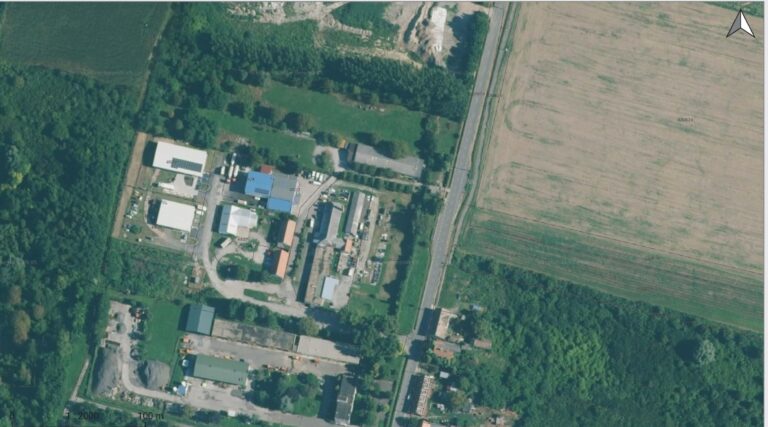
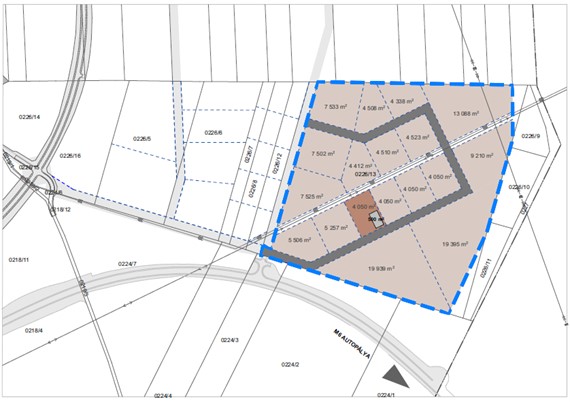
Siklós Industrial Park is situated on the north-eastern outskirts of the town, alongside Vasút út. It covers a total area of 29.5 hectares, of which 16 hectares are currently developed. It is currently home to 22 businesses, of which two are medium-sized enterprises (with more than 50 employees) and five are small businesses (with between 10 and 49 employees). The rest are micro-enterprises employing fewer people.
The vacant area covers 13.5 hectares and can be utilised for both leasing and sale. The local council’s plans include the development of the missing infrastructure within the park’s development area and the construction of an industrial hall. The 1,000 m² building, which can be divided into two sections, is intended for use by manufacturing companies in the engineering or plastics industries once it is completed.
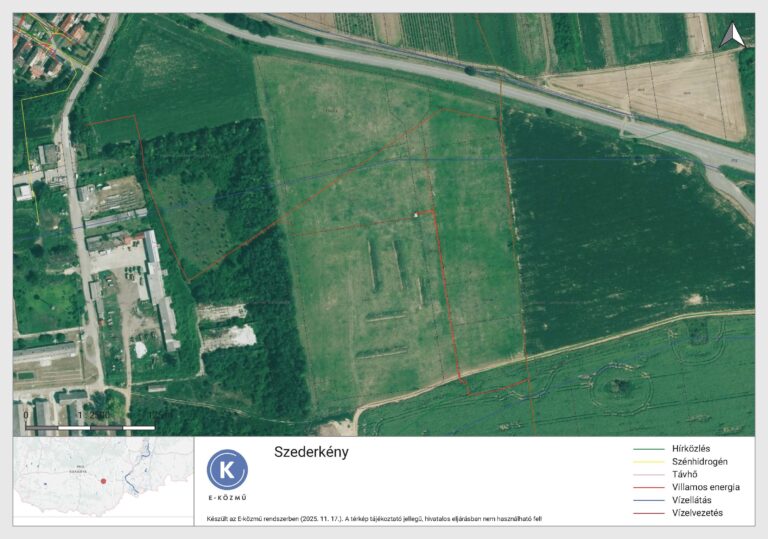
A brownfield development site north of the town, the former border guard barracks next to Gyűdi Road.
The six-hectare, fenced-off plot is in a prime location, right next to the bypass. Utilities are available, and the necessary remediation work has been carried out. The former barracks buildings have been demolished to the structural framework stage. The plot is privately owned, but there is an opportunity for commercial development through lease or purchase.
The former youth camp next to Harkányi Road is primarily suitable for tourism-related developments. Drinking water, electricity and sewage facilities have been installed on the two-hectare site. The green surroundings and good accessibility make it ideal for accommodation development.
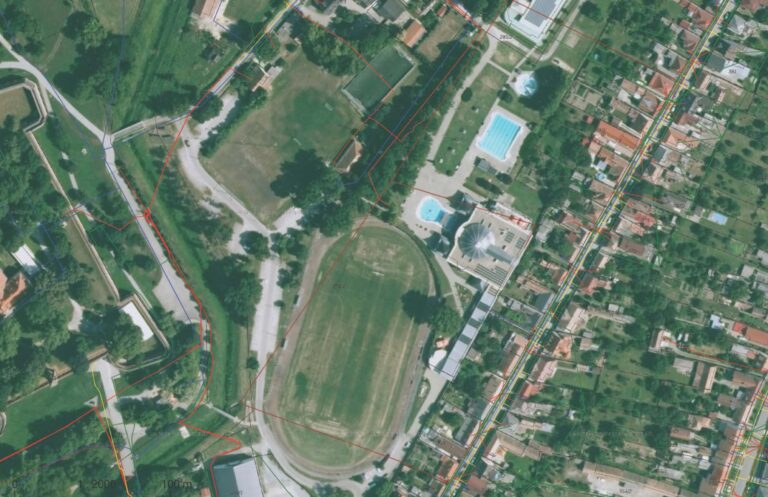
The 4.85-hectare site of the former fairground offers a further greenfield investment opportunity. When planning future economic activities, consideration must be given to the weekly farmers’ markets held here. The construction of a solar park is the top priority among the proposed uses.
Related industrial park
Siklós Industrial Park
The Siklós Industrial Park is located on the northeastern outskirts of the city, near the former railway line.


Economic support and tax policy
The local business tax rate is 2%, which is the ceiling set by law. Companies whose tax base does not exceed two million forints are entitled to a 50% discount.
The amount of building tax is 100, 350 or 1,000 forints per square metre per year, depending on the location and the purpose of the property. The lowest tax rate applies to buildings in industrial parks, whilst the highest applies to those used for financial activities.
The standard rate for land tax is 150 HUF per square metre per year. Exceptions to this are wholesale areas up to 50,000 m² (300 HUF/m²/year) and plots used for financial activities (300 HUF/m²/year up to 50,000 m², and 50 HUF/m²/year above that).
The tourist tax is 450 forints per guest night.
A system of preferential land sales or leases linked to investment and job creation is currently being developed.
Local authority investments
Siklós’s systematic economic development programme is tailored to local conditions and based on local values. The two largest investments in recent years have been linked to the development of the thermal spa and the castle. These served simultaneously to enhance the town’s reputation, thereby expanding the range of tourist attractions and boosting employment. The new, higher-capacity sewage treatment plant was built in close connection with the spa. The laying of the Szőlőhegy water pipeline marked an important step towards creating the conditions for wine tourism.