Mágocs is located on the northern edge of Baranya County, directly along the border with Tolna County and within the catchment area of Dombóvár. It is primarily an agricultural town with significant mechanical engineering traditions. Today, alongside a major agricultural group, it is home to several industrial companies. New investors are offered two economic zones with established infrastructure and favourable taxation conditions.
Transport and logistics
The town’s geographical location is rather unusual. Although it belongs to Baranya County, it lies so far to the northern edge of the county that its natural transport links point more towards Somogy and Tolna. The county town is 50 km away by the shortest route, and to reach it, one must traverse the winding roads of the Mecsek Hills. Meanwhile, Kaposvár is only 40 km away and Szekszárd 54 km, and both cities can be reached via routes that are mostly on flat terrain.
The town is quite a distance from the motorway network. Both the Pécs-Kelet junction of the M60 motorway and the Szekszárd slip-road of the M6 are 55 km away. Of the single- or double-digit main roads, the A6 is closest at Bonyhád, after a 30 km drive, whilst the 61, connecting Siófok with Kaposvár, can be reached at Dombóvár, roughly 15 km away. The situation will be radically changed by the completion of the planned M9 expressway, which will definitely pass close to the town – regardless of whether its route is ultimately directed towards Pécs or Szekszárd.
Although somewhat mixed, the town does have a direct rail link. The No. 50 branch line connecting Dombóvár with Bátaszék runs south of the town, but the railway station, officially named Mágocs–Alsómocsolád, is 5 km from the town. For this reason, the railway’s importance in passenger transport is not significant, despite the fact that 4–5 pairs of trains run daily, most of them to Baja. Moreover, the capital can be reached via Dombóvár with favourable connection times. For freight transport, however, the railway is an ideal solution, particularly for agricultural produce or other heavy goods. This is not primarily due to the small station at Mágocs, but rather to the proximity of the Dombóvár junction, which meets all requirements.
In terms of local bus services, Mágocs is largely just a stopover; services only run from here to the neighbouring village to the south, Alsómocsolád. Connections, however, are good, albeit infrequent: it is possible to travel directly, without changing buses, to Pécs, Kaposvár and Szekszárd alike. In line with the geographical layout, buses run on the Szászvár–Bonyhád and Szászvár–Komló routes, as well as westwards towards Dombóvár and Sásd.
Infrastructure and public services
Mágocs’s infrastructure is in good condition. Water supply and wastewater treatment are provided by Mezőföldi Regional Waterworks Ltd, which operates across several counties. The town has its own sewage treatment plant. District heating is not available in the town.
Mágocs belongs to the Hegykő district, centred on Sásd. Consequently, district-level offices are not available locally. Although there is a branch office in Mágocs, only social welfare matters (care allowance, public health care, social insurance, etc.) can be dealt with there. In addition, the administrative and guardianship department, as well as the government service centre, are available in Sásd. For other matters, such as procedures requiring the involvement of specialist authorities, residents must contact the district offices in Komló or Pécs.
The National Chamber of Agriculture operates an independent village agricultural office in Mágocs, where clients are seen on two days a week.
Local healthcare services are limited to primary care. The town offers GP practices for adults and children, a dentist, a health visitor service, a pharmacy, physiotherapy and occupational health clinics. In addition, the local council operates a general diagnostic laboratory, and various specialist clinics are occasionally held in the town. The central emergency department and other specialist clinics can be visited in Dombóvár; the majority of those requiring hospital care are treated here, and the nearest ambulance station is also located here.
The town has primary education facilities: a crèche, a nursery school with 80 places and a primary school with 143 pupils. The primary school has recently undergone extensive renovation, with energy efficiency improvements completed in the summer of 2020. The building, equipped with modern facilities, is powered by a solar panel system. Pupils wishing to continue their education can find the nearest grammar schools in Dombóvár and Komló, whilst vocational training opportunities are available in Sásd as well as in the aforementioned towns.
The size of the town does not justify the maintenance of a local public transport system. Certain tasks, such as transporting pupils from surrounding settlements, are handled by village buses.
Mágocs is home to the headquarters of Észak-Hegyháti Unió Nonprofit Kft., which was established by the local council in partnership with the settlements of Alsómocsolád, Bikal, Mekényes and Nagyhajmás. Its aim is to support development policy, prepare strategic documents and maintain contact with professional organisations. Among other things, in cooperation with the county chamber of commerce, it regularly organises business forums and strategic planning sessions, and also carries out tasks related to regional marketing.
Key economic players
Mágocs is essentially a town with a focus on the food industry. Although it lies outside the former coal-mining region, thanks to the former agricultural machinery factory, it nevertheless has industrial traditions and a related professional culture is present in the town. There are no large corporations; employers in the agricultural sector are predominantly Hungarian-owned, small and medium-sized enterprises, some with local roots. In industry, however, companies under foreign ownership or operating as joint ventures are the norm. There are many family businesses and agricultural firms employing no more than a few people.
Recently, there have been several innovative developments by local businesses. Worthy of mention is Makrom Kft.’s award-winning model farm, where milk production takes place using state-of-the-art technology, locally produced feed and GMO-free methods. Meanwhile, Y Takarmányipari Kft. is working on the development of patented feed additives in collaboration with the University of Pannonia.
Without claiming to be exhaustive, here are a few examples of the more important companies:
- Y Group – A group of companies engaged in chicken and turkey breeding, live animal wholesale, poultry slaughtering, and feed production and distribution, with sites in Mágocs and Sásd.
- Magnet Tank Manufacturing Ltd. – A company manufacturing cylindrical tanks and pressure vessels.
- Cabero Industrial Kft. – A German-owned company specialising in the manufacture of air-conditioning equipment.
- Makrom Ltd. – A company engaged in arable farming, cattle breeding and the hire and maintenance of agricultural machinery.
- Edelstahlservice-Mágocs Kft. – A German-owned company specialising in the manufacture of stainless steel fittings.
- Tenkes Baromfi Kft. – A domestically owned company engaged in poultry farming and trade.
- Esox Kft. – A company specialising in fishing and fish farming.
- Kubik-Agro Kft. – A Hungarian-owned company engaged in arable crop production.
- Mágocsi Ferro Kft. – Engaged in metalworking and the manufacture of machine parts; they also produce injection-moulded plastic products.
Areas designated for economic purposes
There is no industrial park in Mágocs specifically established to attract new investors. Local businesses are concentrated in two areas designated primarily for commercial use.
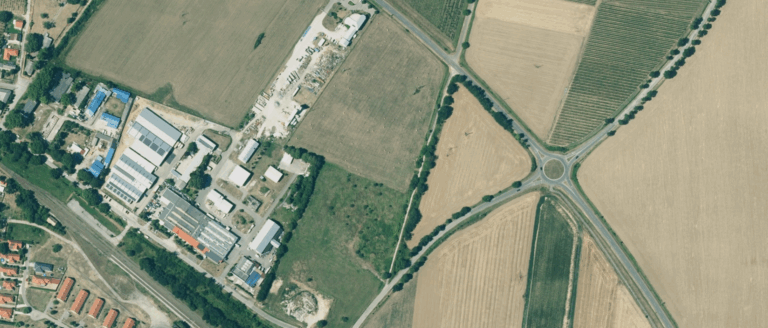
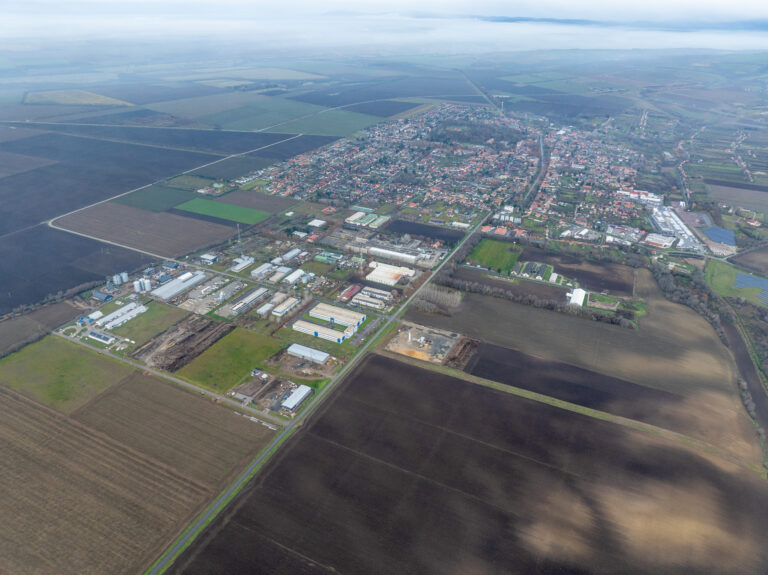
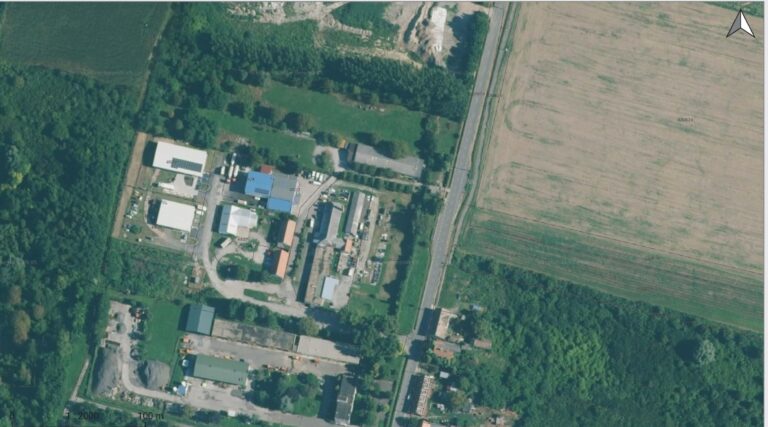
One is on the western edge of the town, north of the road leading to Dombóvár, on the site of the former Mezőgép factory, where metalworking and engineering businesses still operate today. A solar park has been established in the vicinity of this industrial area in recent years. The other economic hub is located in the south-eastern corner of the town, at the end of Kossuth and Rákóczi streets; its function is primarily agricultural: feed mills, crop storage facilities and livestock sheds are situated here.
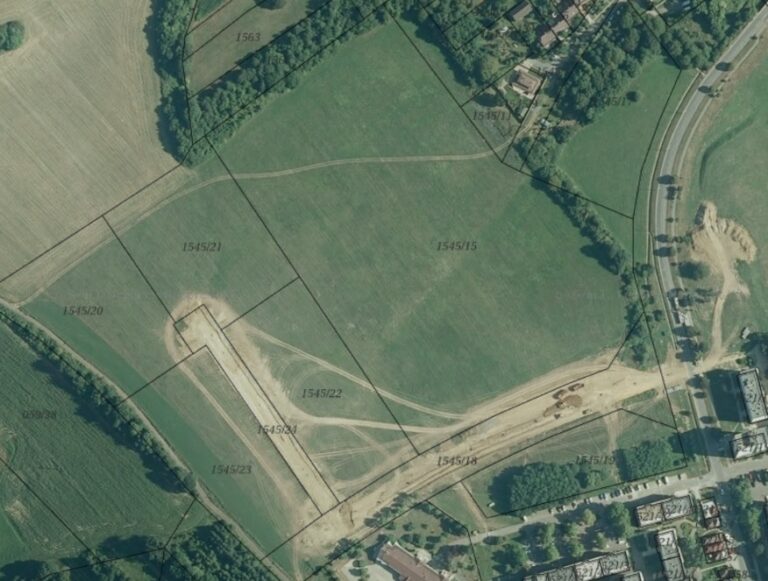
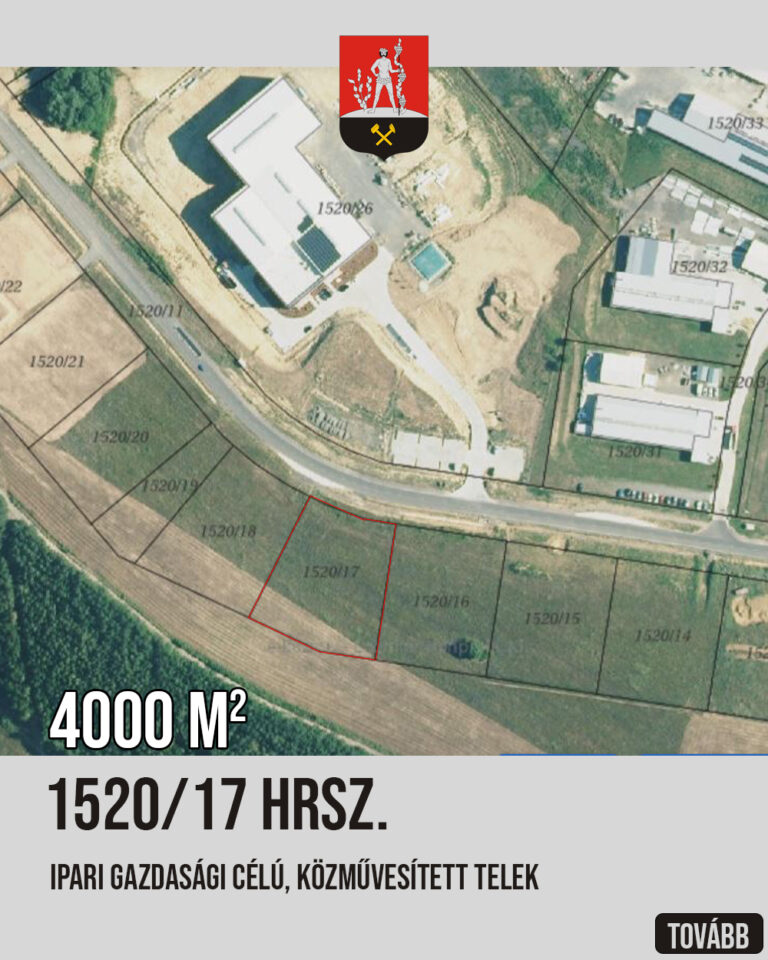
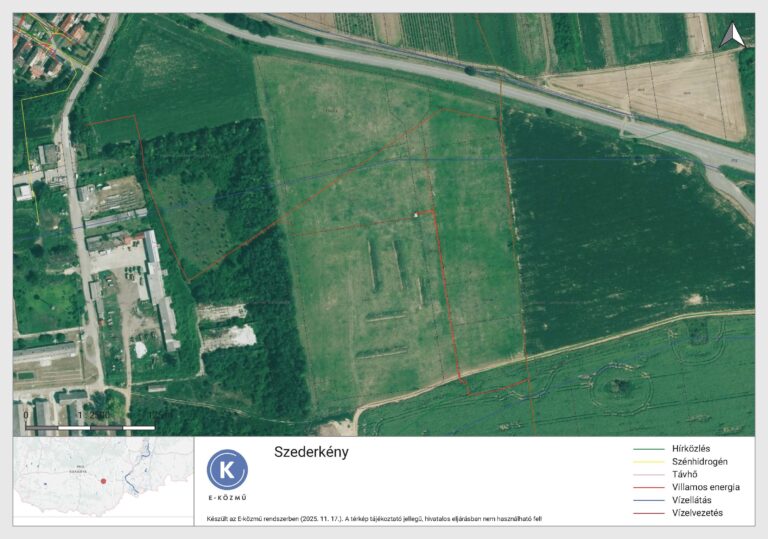
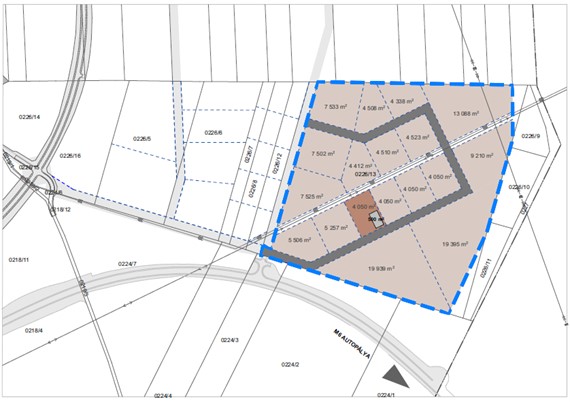
There are vacant plots available for new investors in both areas. A notable advantage is that the sites have comprehensive infrastructure; both public utilities and the road network are in place, thus offering the opportunity for further expansion with relatively low investment.
However, the land held by the local authority consists of a relatively small area of 1.96 hectares suitable for greenfield development. In addition to this, there is 1.08 hectares of privately owned brownfield land available to investors.
There is currently no farmers’ market in Mágocs, but plans are in place at the business level to establish a regional market for local produce through brownfield development.


Economic support and tax policy
The local council pursues an investor-friendly tax policy, keeping the burden on businesses to a minimum. Accordingly, the local business tax is the lowest among the county’s towns, at just 1.5% of the tax base. Companies are not subject to either land tax or building tax, and providers of tourist accommodation are not required to pay tourist tax.
The local authority does not offer direct investment grants, but a preferential land sale scheme is available. Companies relocating to Mágocs can acquire municipally-owned commercial land at a price below market value in exchange for investment or employment commitments.
Local authority investments
The local council of Mágocs is constantly working on developments that enhance the town’s appearance and improve the quality of life for its residents, utilising its own resources as well as funding from the European Union and government grants. In its most recent major projects, each costing hundreds of millions of forints, a crèche has been built, the nursery school has been renovated, the primary school’s gym has been modernised, followed by the energy-efficiency upgrade of the entire building, In addition, social housing was built as part of a regeneration programme for a deprived area of the town. To maintain public safety, the local council has installed a CCTV system at several locations across the town.