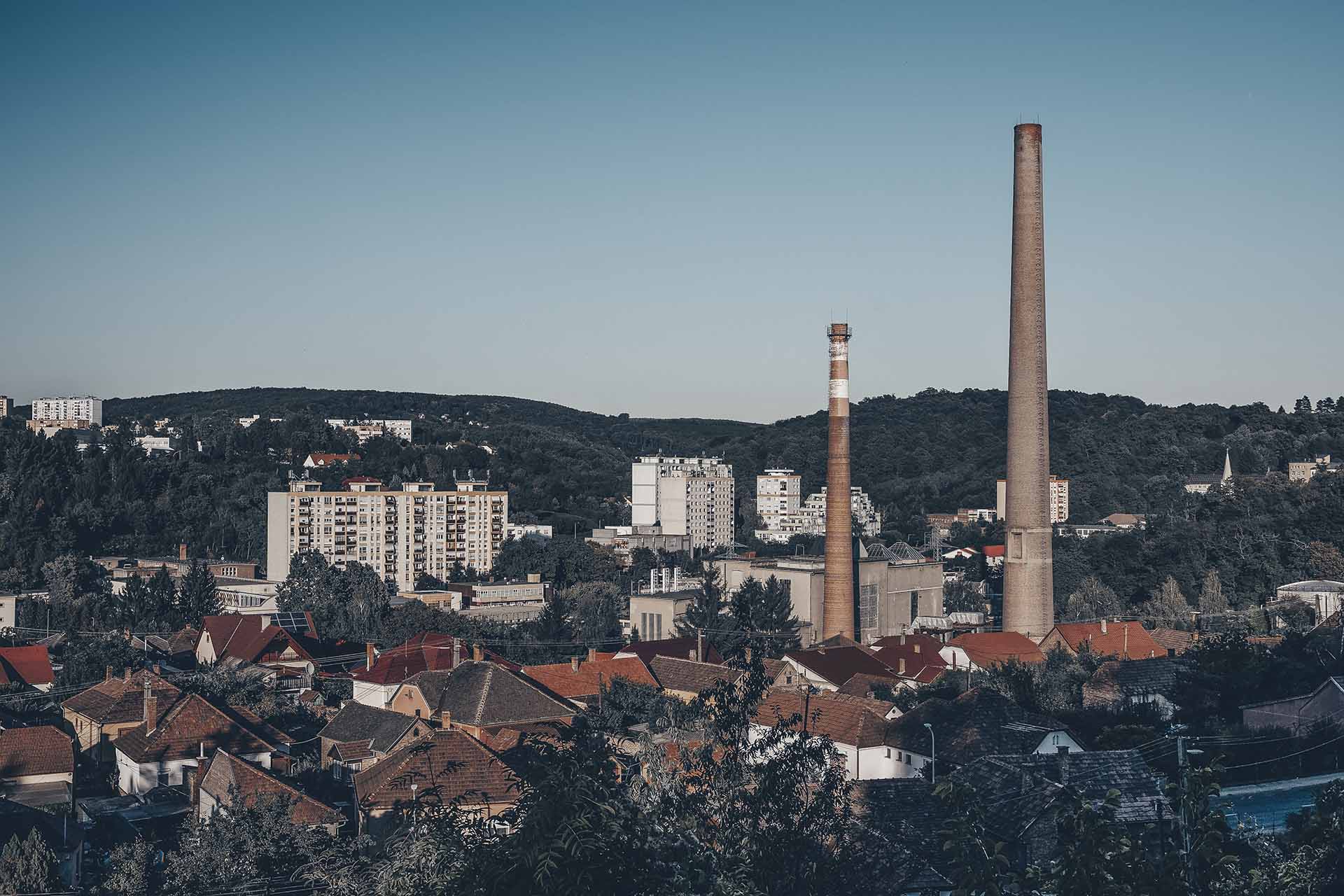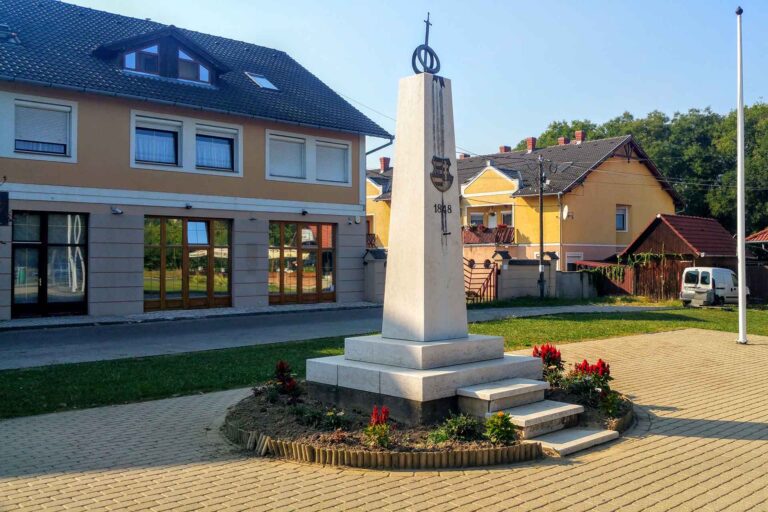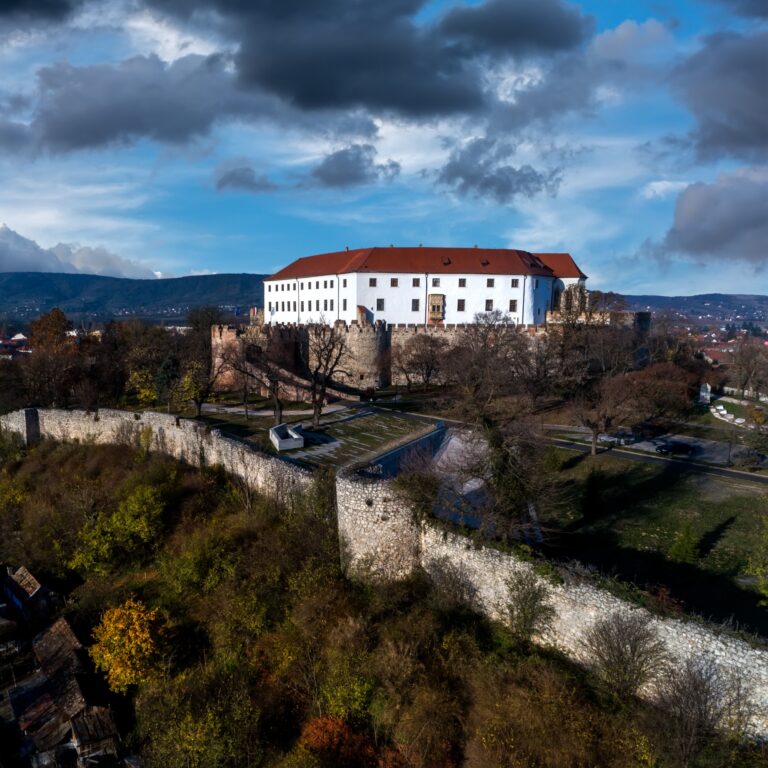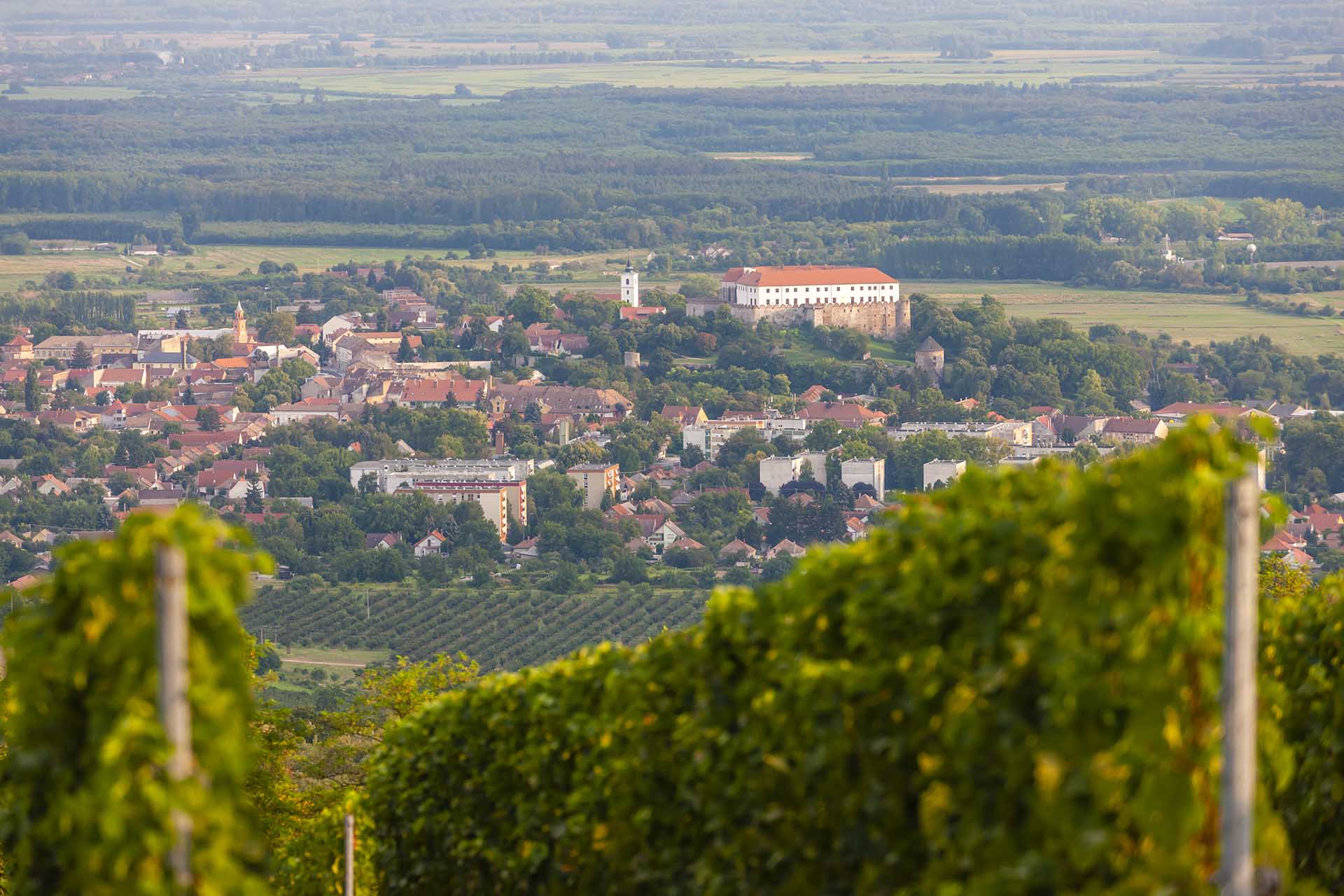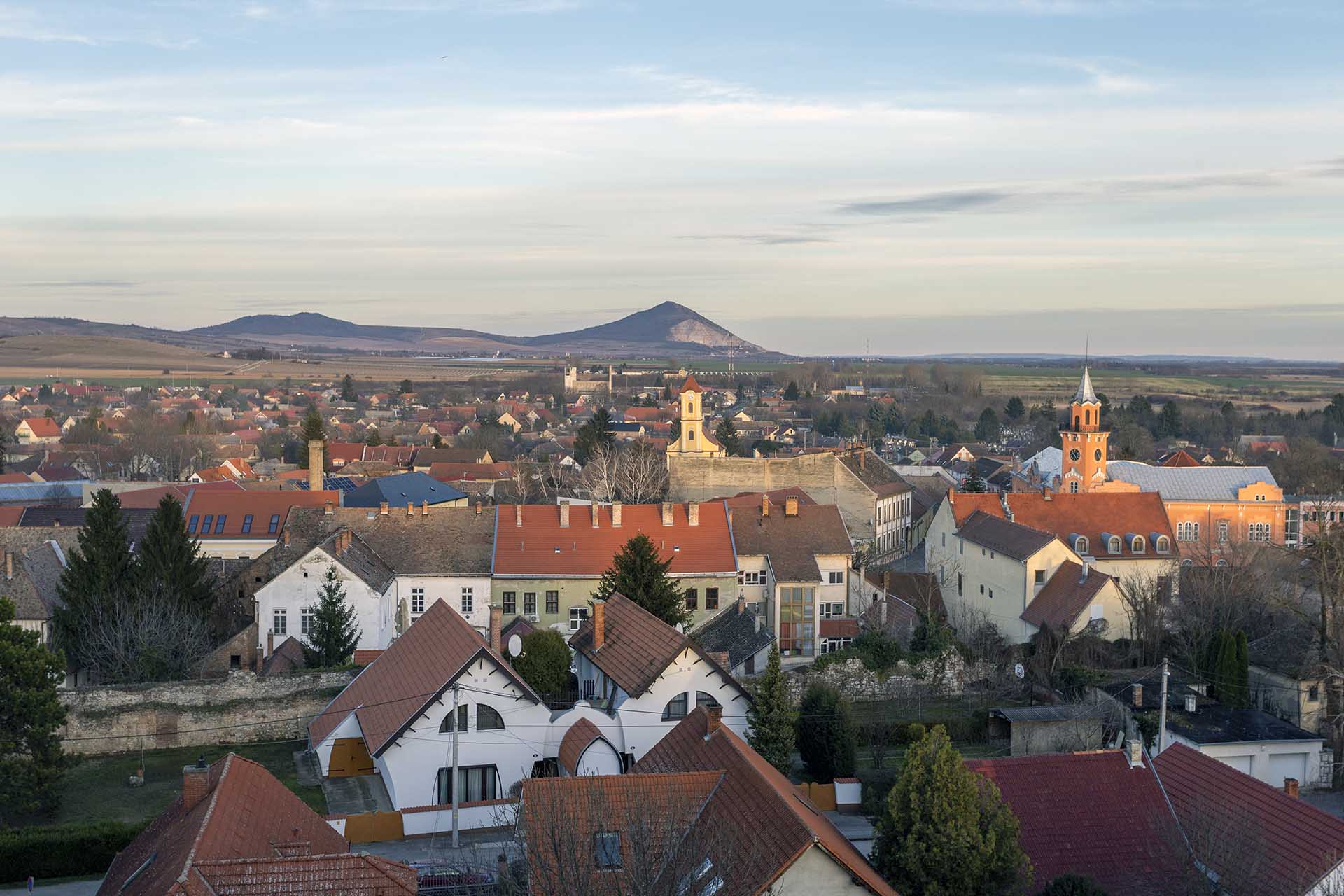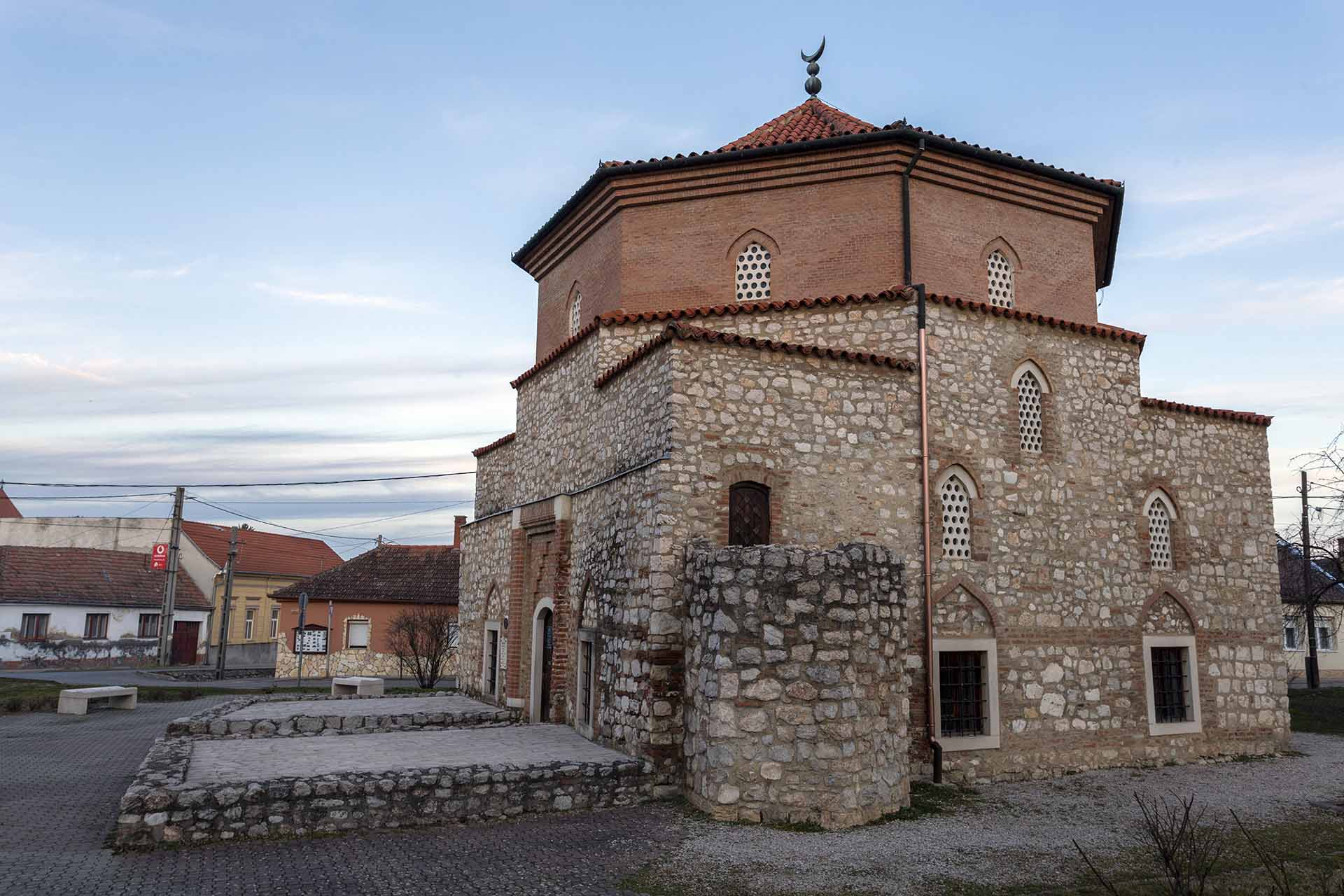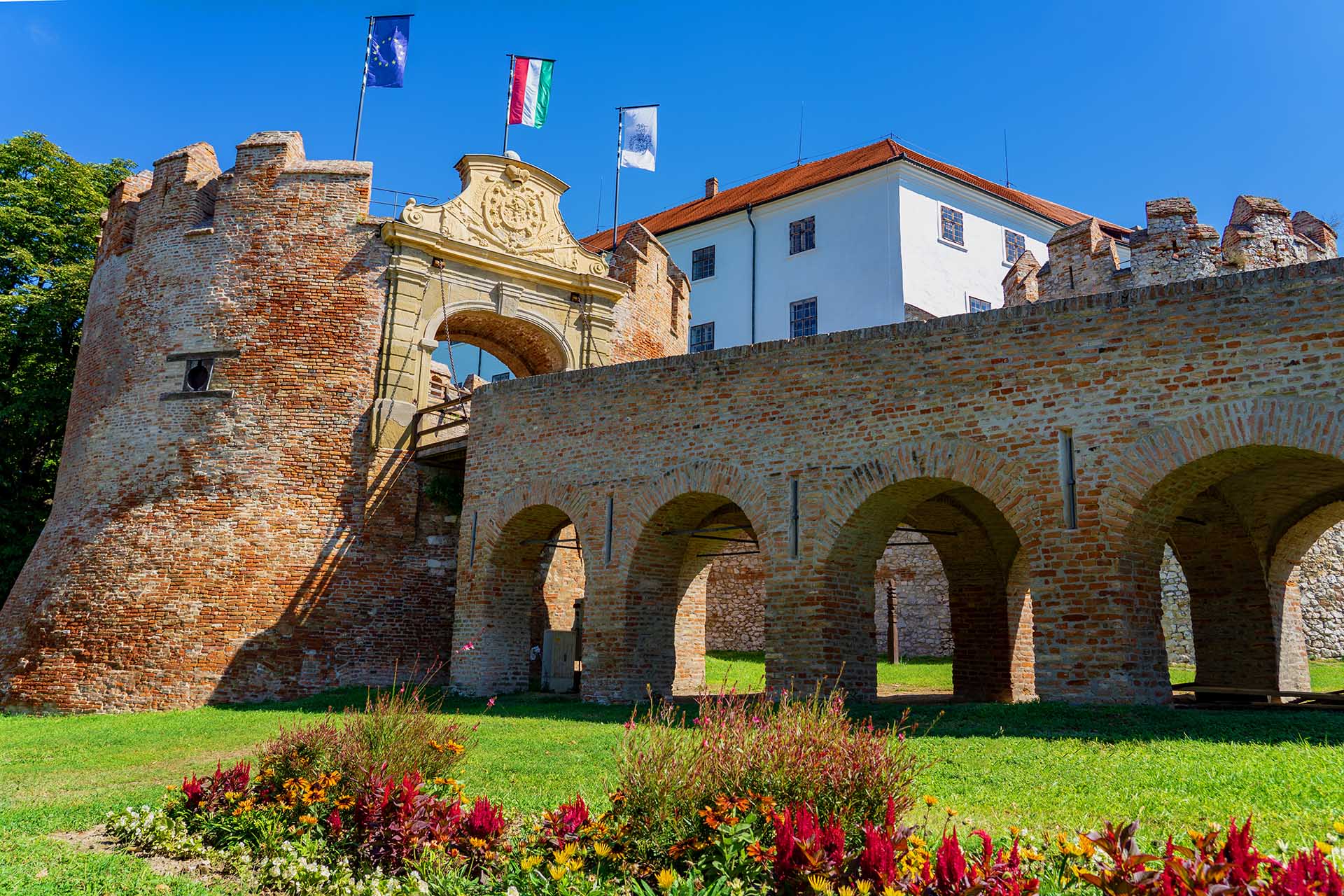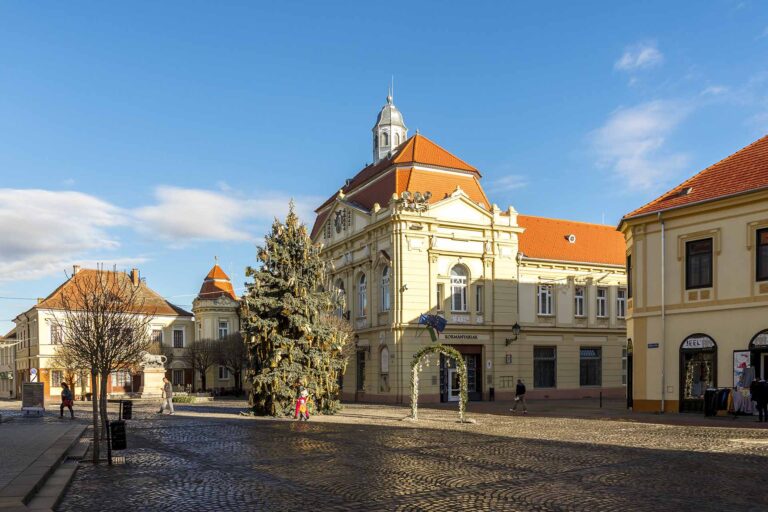
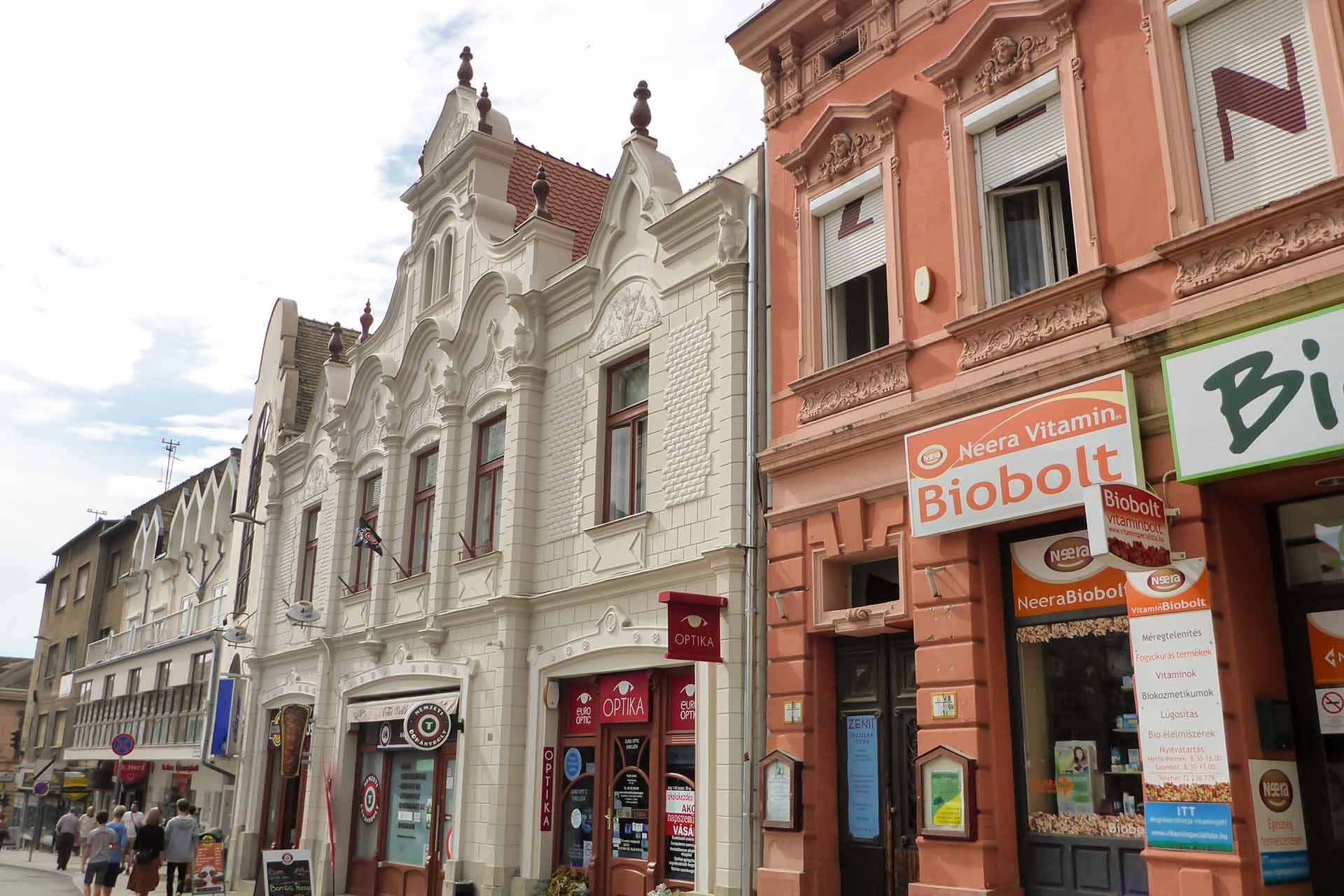
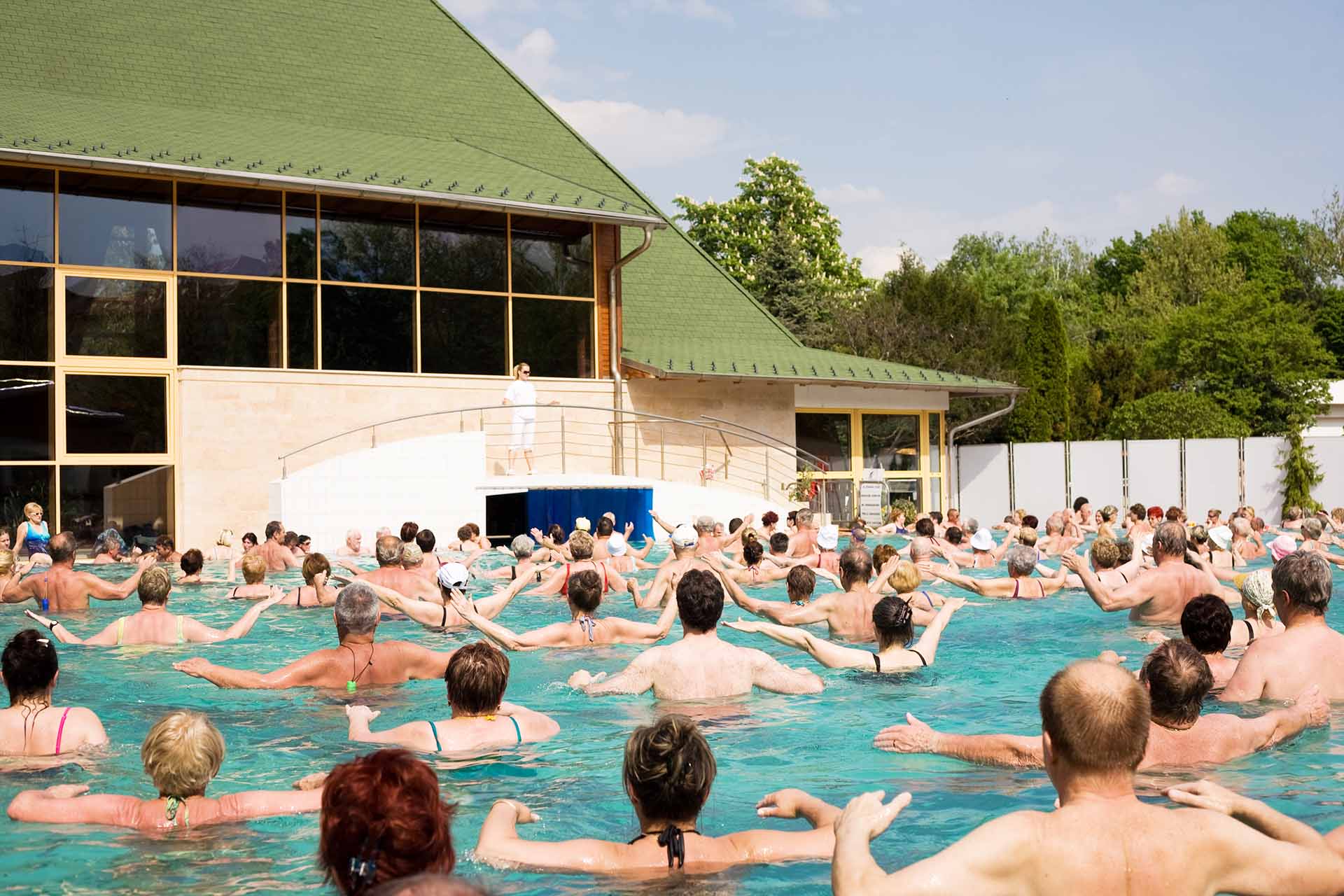
Harkány It is located in the southern part of Baranya, near the Croatian border. Its greatest value is the discovery in the 19th century medicinal thermal spring represents, on the basis of which one of the region’s most popular spa complexes and significant tourist service capacities have been built. The most important sector is commercial accommodation, but efforts are being made to establish other economic sectors, primarily agricultural and service-based.
Transport and logistics
Harkány is situated on the south-western slope of the Villány Hills, just 8.5 km from the Croatian border. It is crossed by the 58 main road, which connects Pécs with Nekcse and Osijek via Alsómiholjác in Croatia. The road plays an important role in transit traffic and, as such, handles a significant volume of traffic. However, thanks to the bypass built to the west of the town, it does not pass through the centre.
Pécs is 26 km away, whilst Siklós, the district capital, is only 6 km from the town. The nearest main road is the A6, which runs through Pécs. The nearest junction on the motorway network is also located near Pécs: the Pellérd–Pécs-Nyugat junction is a 19 km drive away.
The town’s two main transport corridors are Route 58 leading to Pécs and the road connecting Harkány with Siklós. The condition of the former presents a rather mixed picture: the sections near the two towns have recently been renovated and are in good condition, but the section in between is in need of repair. The Siklós road, designed for the significantly lower volume of traffic passing through it, is of adequate quality.
From a tourist’s perspective, it is important to note that there is a dedicated cycle path running along a separate lane in the direction of both Siklós and the Drávaszabolcs border crossing. On the southern side of Drávaszabolcs, the route joins the comfortable and safe cycle paths built on the Drava embankment, along which sections of several tens of kilometres can be covered in both an easterly and westerly direction.
Harkány has no rail connection; MÁV has suspended passenger services on the No. 62 branch line serving the town, and there are currently no plans to resume them. The nearest railway station is in Villány, 20 km away, but Pécs station is also within easy reach. The latter offers a wider range of options for both passenger and freight transport.
Local bus services are of a high standard, with services running at suitable times and frequencies in most directions. The main routes are to Pécs on the one hand, and to Mohács via Siklós and Villány on the other. There are good connections to Vajszló and the small villages of the Ormánság region, providing the necessary conditions for daily commuting. From a tourism perspective, it is of great significance that direct services connect Harkány with the capital several times a day.
Infrastructure and public services
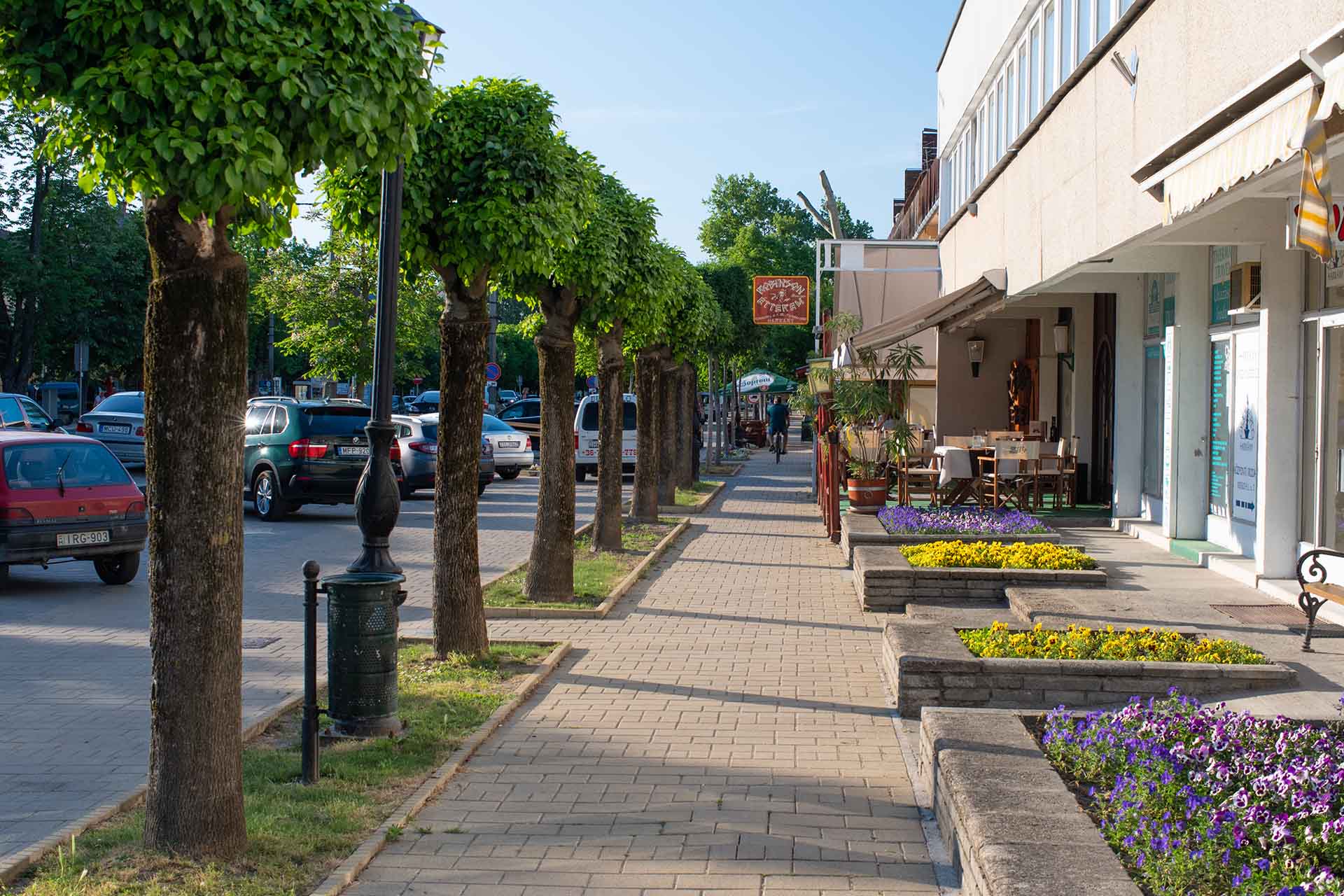
Harkány essentially has modern infrastructure. Owing to the importance of tourism, greater emphasis than usual is placed on maintaining the town’s appearance. The condition of roads within the town is satisfactory in both residential and holiday areas. The rainwater drainage system is adequately developed across most of the built-up area. Baranya-Víz Zrt. is responsible for the drinking water supply and sewage disposal. The company’s Harkány plant management operates the town’s sewage treatment plant. There is no district heating in the town.
From an administrative point of view, Harkány is part of the Siklós district. This administrative unit, with a population of over 34,000, comprises 53 settlements. Among the district-level offices, Siklós is home to the food chain safety and animal health, regulatory and child welfare, employment and public health departments, the land registry office and the government service centre. The latter also has a branch office in Harkány, which is open every weekday.
The office of the National Chamber of Agriculture’s network of village agronomists is located in Siklós.
All basic healthcare services are available locally. The town has two GP practices for adults and one for children, two dental practices, a pharmacy and a health visitor service. The Health Centre, which handles appointments, operates an out-of-hours medical service; the doctors here are responsible for providing care not only for Harkány but also for more than half a dozen surrounding small settlements. The nearest ambulance station is in Siklós. For specialist consultations, various diagnostic and laboratory tests, and hospital care, patients must travel to Pécs.
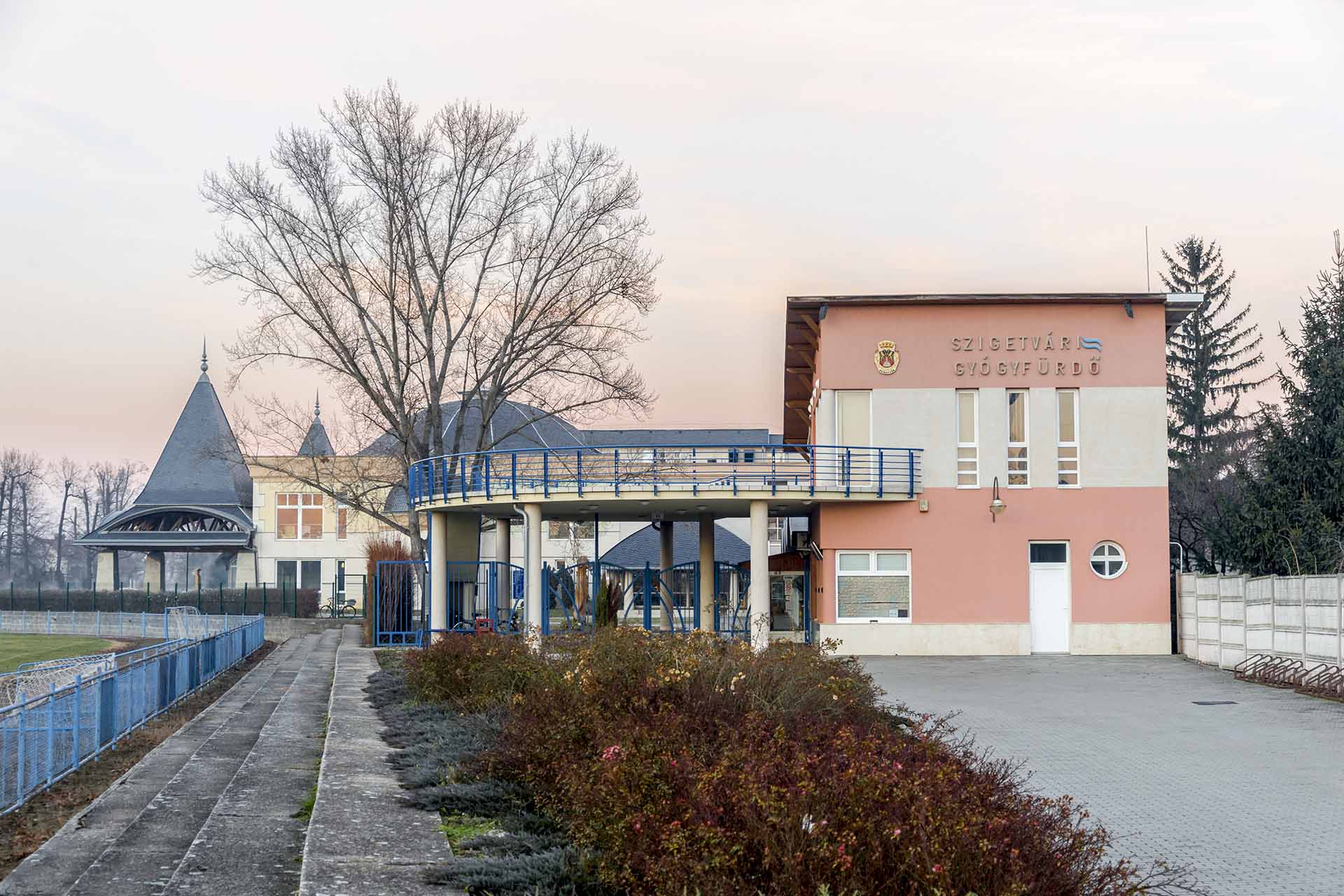
A distinctive feature of the local healthcare system is the Vilmos Zsigmondy Harkány Spa Hospital. The institution has 302 beds, making it the third largest in the county. It does not provide any active patient care at all; only rehabilitation treatments are available. Occupancy is practically at maximum capacity; in 2019, 98.56% of available care days were utilised.
There is a crèche, a nursery school and a primary school in Harkány. The school named after Pál Kitaibel operates in a renovated, modern building. In addition to traditional education, it offers arts education. Pupils wishing to continue their education can find grammar schools in Pécs and Siklós, and vocational schools in Siklós and Villány, as well as in the county town.
The most important micro-regional cooperation in the area is the Association of Border Settlements of South Baranya, based in Siklós. It was established through the collaboration of local authorities, civil society organisations and businesses from 88 settlements, with the aim of coordinating development plans and making more effective use of the region’s strengths.
Harkány is a member of several local institution-maintaining associations and the Association of Hungarian Spa Towns.
The local council cooperates with several higher education institutions. It engages in professional cooperation with the Faculty of Cultural Studies, Teacher Training and Rural Development at the University of Pécs in fields related to tourism and hospitality, provides work placements at its spa facilities for the Faculty of Health Sciences at the University of Pécs, and has established regular cooperation with the Ybl Miklós Faculty of Architecture at Szent István University regarding the town’s architectural developments.
Key economic players
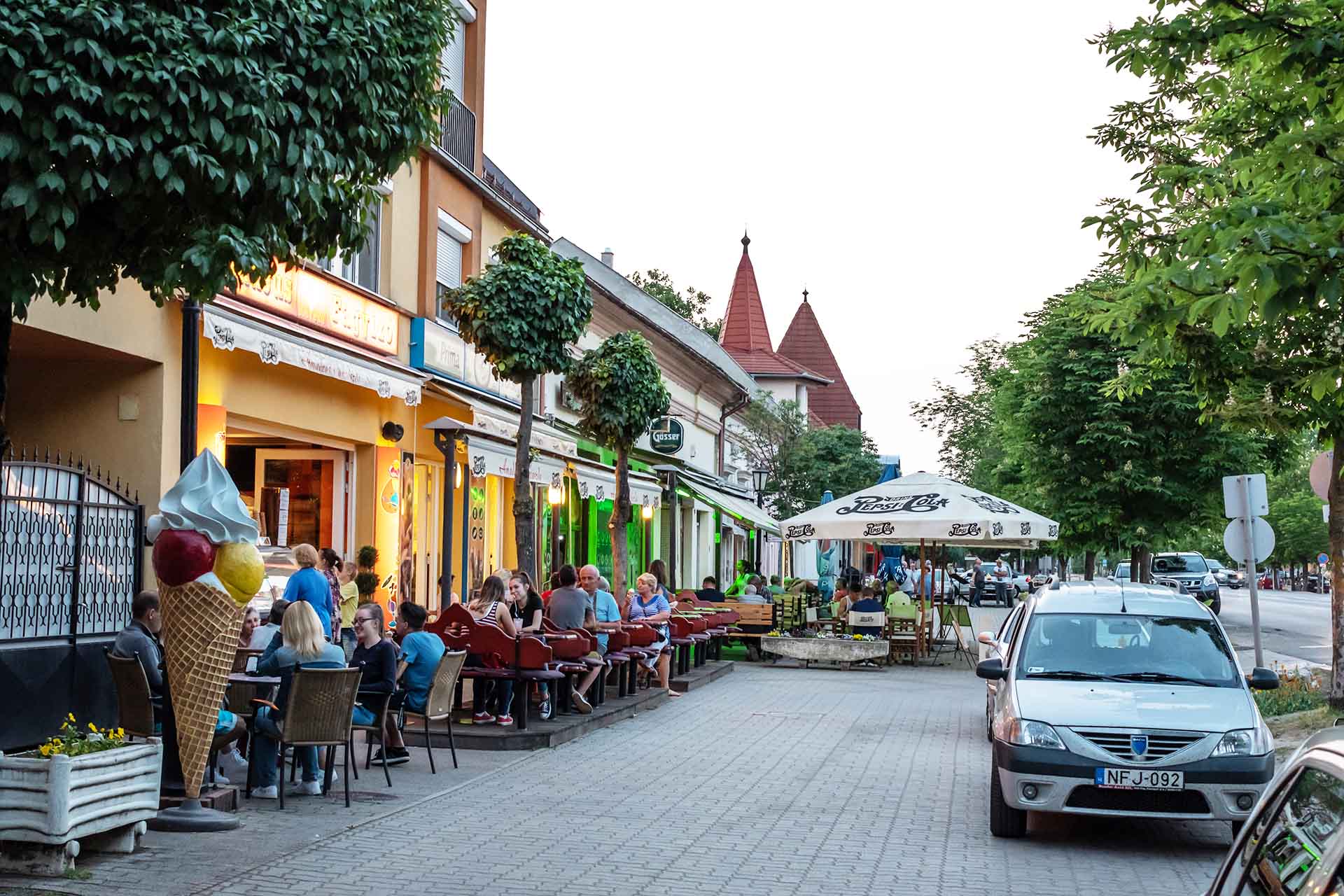
Harkány is a town specialising in tourism and hospitality services. Its economy is underpinned by tourism services centred on thermal waters for therapeutic and recreational purposes, as well as commercial accommodation. In terms of structure, Hungarian-owned small and medium-sized enterprises dominate, alongside a large number of sole traders and micro-enterprises with just a few employees.
There is no shortage of high-quality accommodation providers. This is where the county’s largest concentration of hotels offering at least three-star or equivalent comfort is found, numbering 14 in total. Operating in the shadow of the larger hotels are dozens of apartment blocks and individual entrepreneurs renting out rooms or parts of houses.
Areas designated for economic purposes
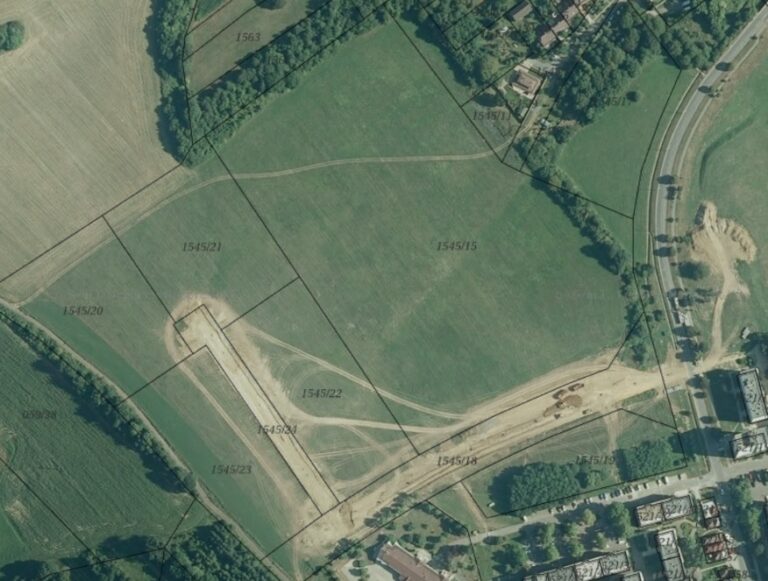
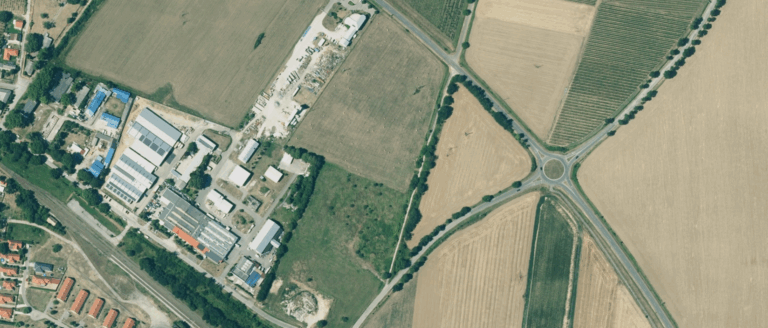
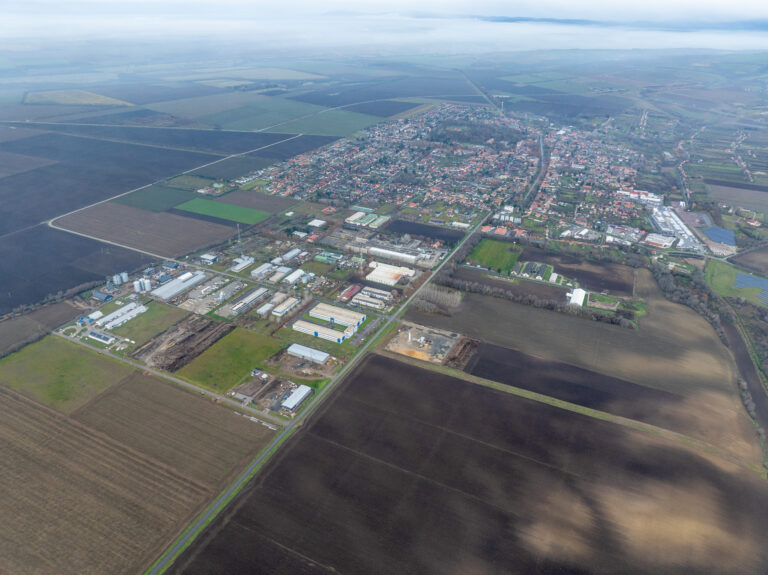
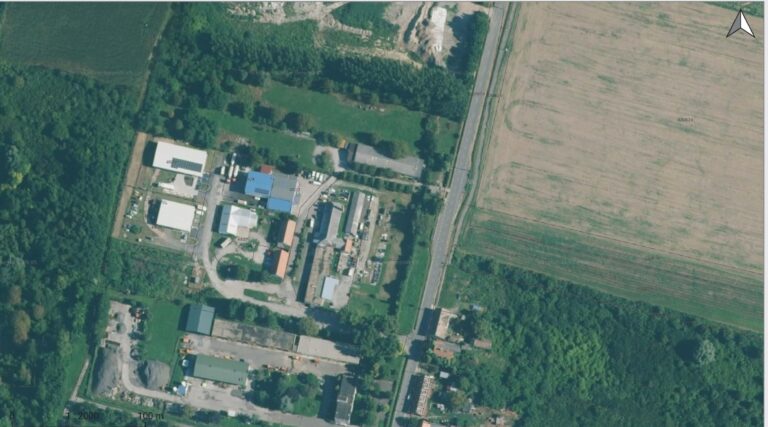
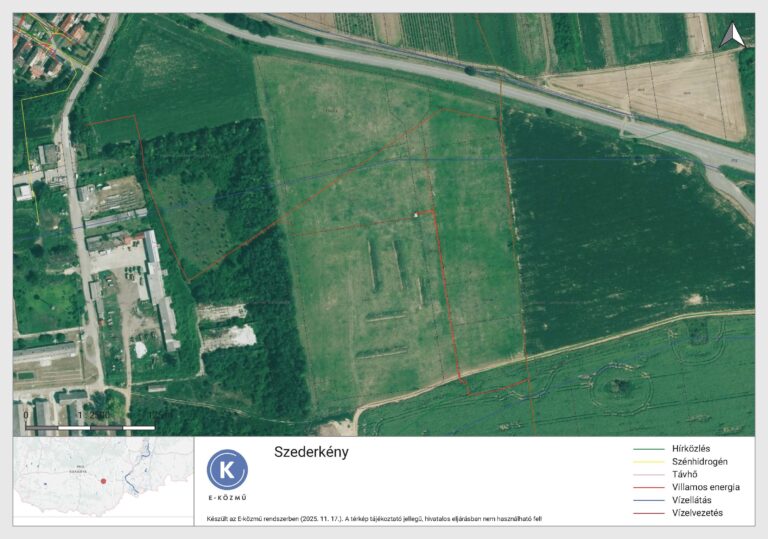
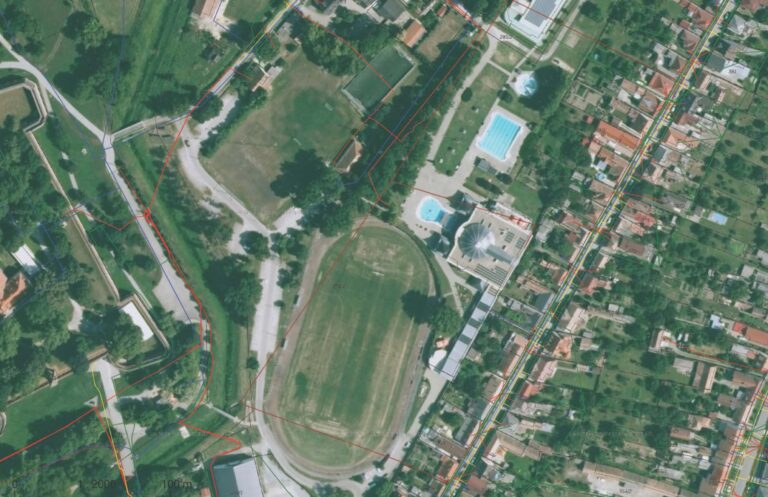
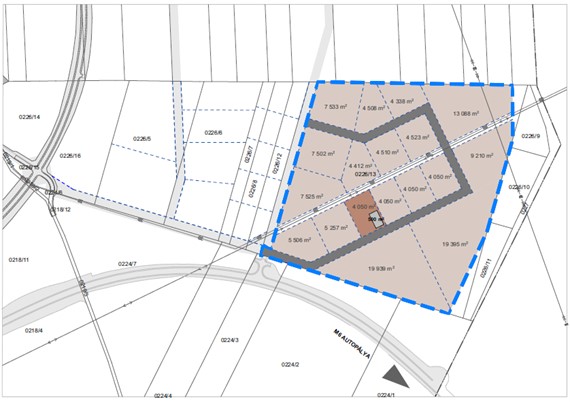
The development of the Harkány industrial park is currently underway. The local council is developing the industrial zone in the northern part of the town, away from the central resort area, through brownfield regeneration. The site, which was once used as a machine station, offers ideal conditions for companies wishing to set up there. As part of the investment, the town is building the road network and the necessary infrastructure.
The primary aim of the project is to diversify the local economy and reduce excessive dependence on tourism. The industrial park offers attractive solutions primarily for SMEs. Due to the resort town character of the area, activities with a low environmental impact are favoured.
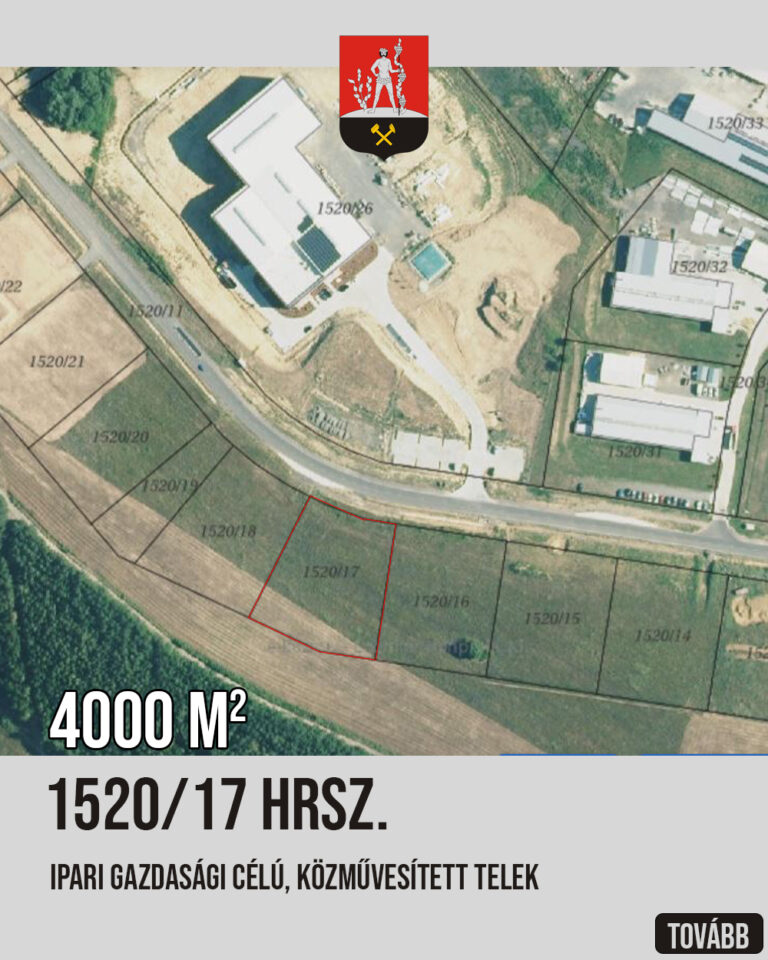
Some of the plots in the industrial park have already been taken up; currently, 4.1 hectares of available land can be purchased or leased from the local council. In addition, the town has a further half-hectare each of greenfield and brownfield land available for commercial use, and private owners are also offering plots for sale.
The local council owns four properties suitable for use as offices, which can be made available to businesses.
The farmers’ market is partially covered and also has a market hall. The entire infrastructure has recently been renovated. In addition to the usual services, a refrigerated warehouse is available to traders.


Economic support and tax policy
The local business tax in Harkány is set at the statutory ceiling, i.e. 2% of the tax base. The building tax ranges from 600 to 1,200 HUF per square metre per year, depending on the property’s location. The reduced tax rate applies to hotels and other hospitality establishments.
With regard to land tax, the regulation also defines several categories depending on the location and size of the plot. For plots in rural areas, 10 HUF/m² must be paid annually. In urban areas, the tax is 200 HUF per square metre annually for plots up to 5,000 m², and 150 HUF per square metre for larger plots.
The tourist tax is 500 forints per guest night.
The local authority is open to the sale, at a reduced price, of land it owns that is suitable for commercial use. The conditions for this and the commitments expected of the investor are subject to individual agreement.
Local authority investments
The most significant local authority developments are linked to the spa. The renovation and expansion of the buildings, pools and leisure facilities will take place in several phases. According to the plans, the next step is the construction of the hall for adventure pool 3 and an outdoor pool, as well as the development of the outdoor children’s pool area to enhance the family-friendly atmosphere. Preparations are underway to convert the spa’s current administration building into a hotel and to construct a new medical wing.
As part of the Green City programme, greater emphasis is being placed on the use of renewable energy. The most important element of this will be the construction of a solar park linked to the spa. Various transport development plans are constantly on the agenda: the latest is the construction of a roundabout at the junction of the roads coming from Pécs and Siklós.