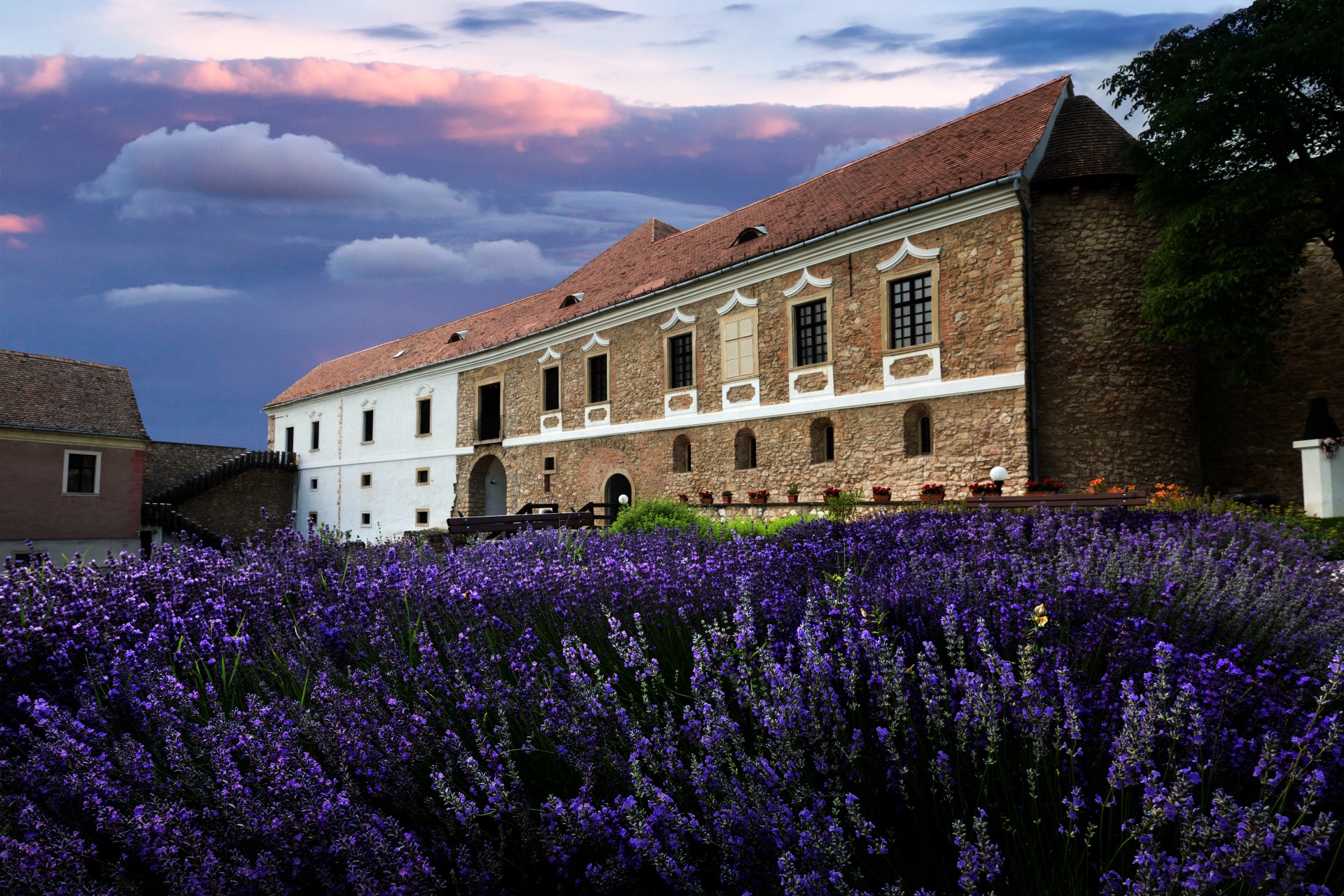
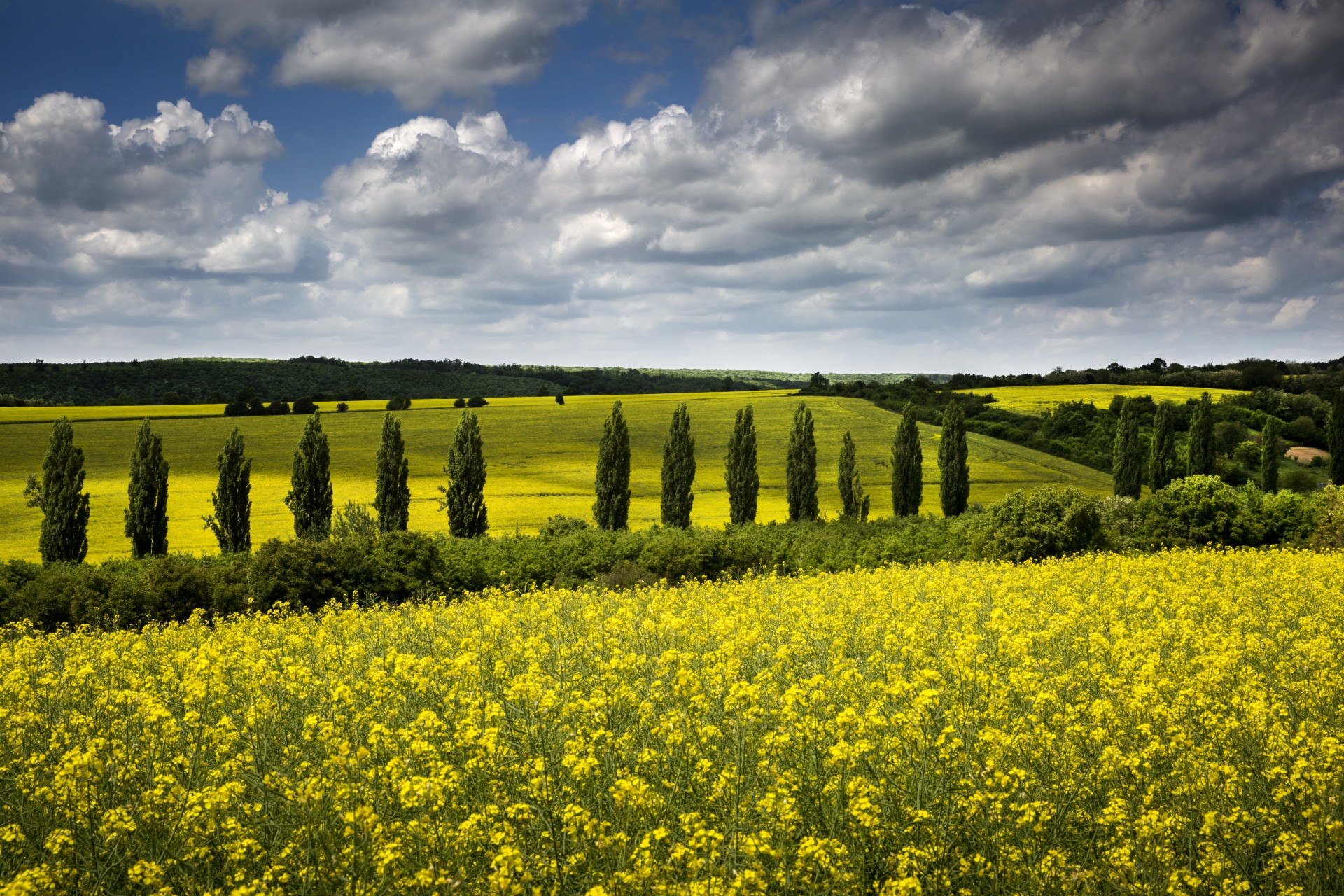
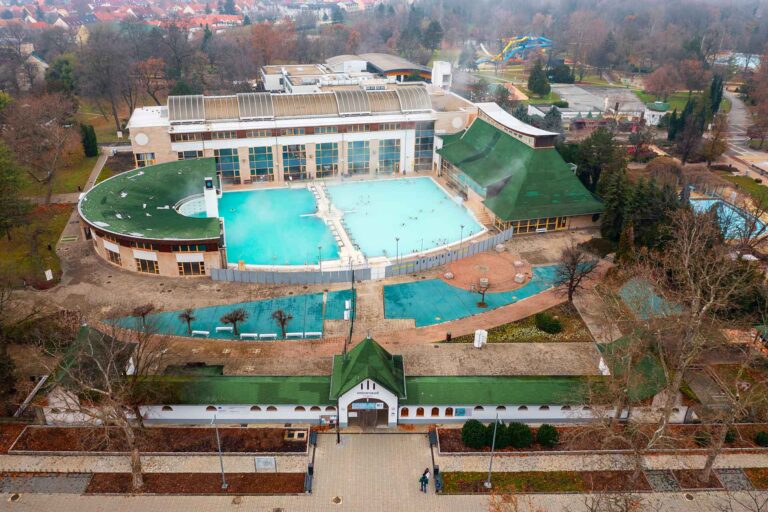
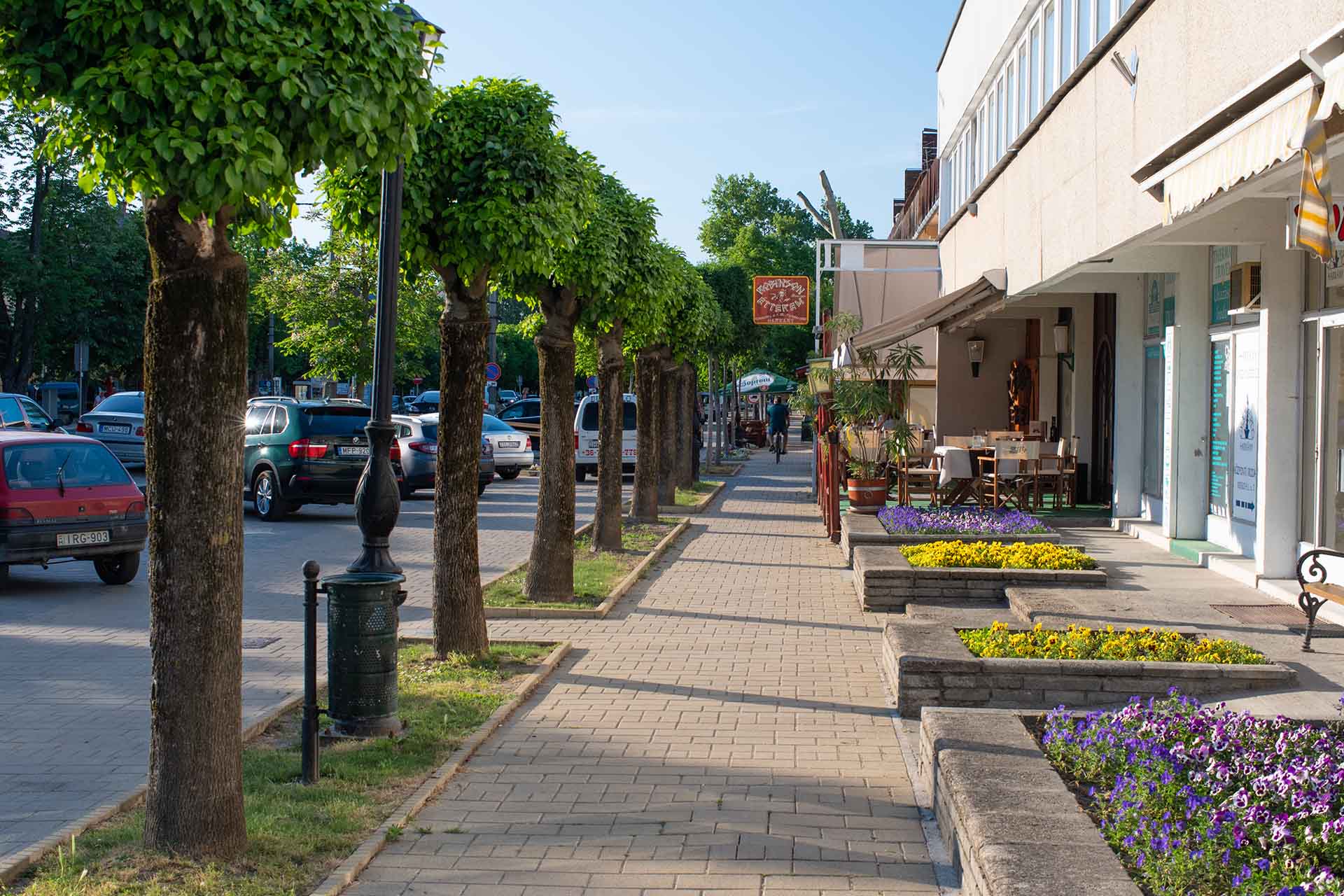
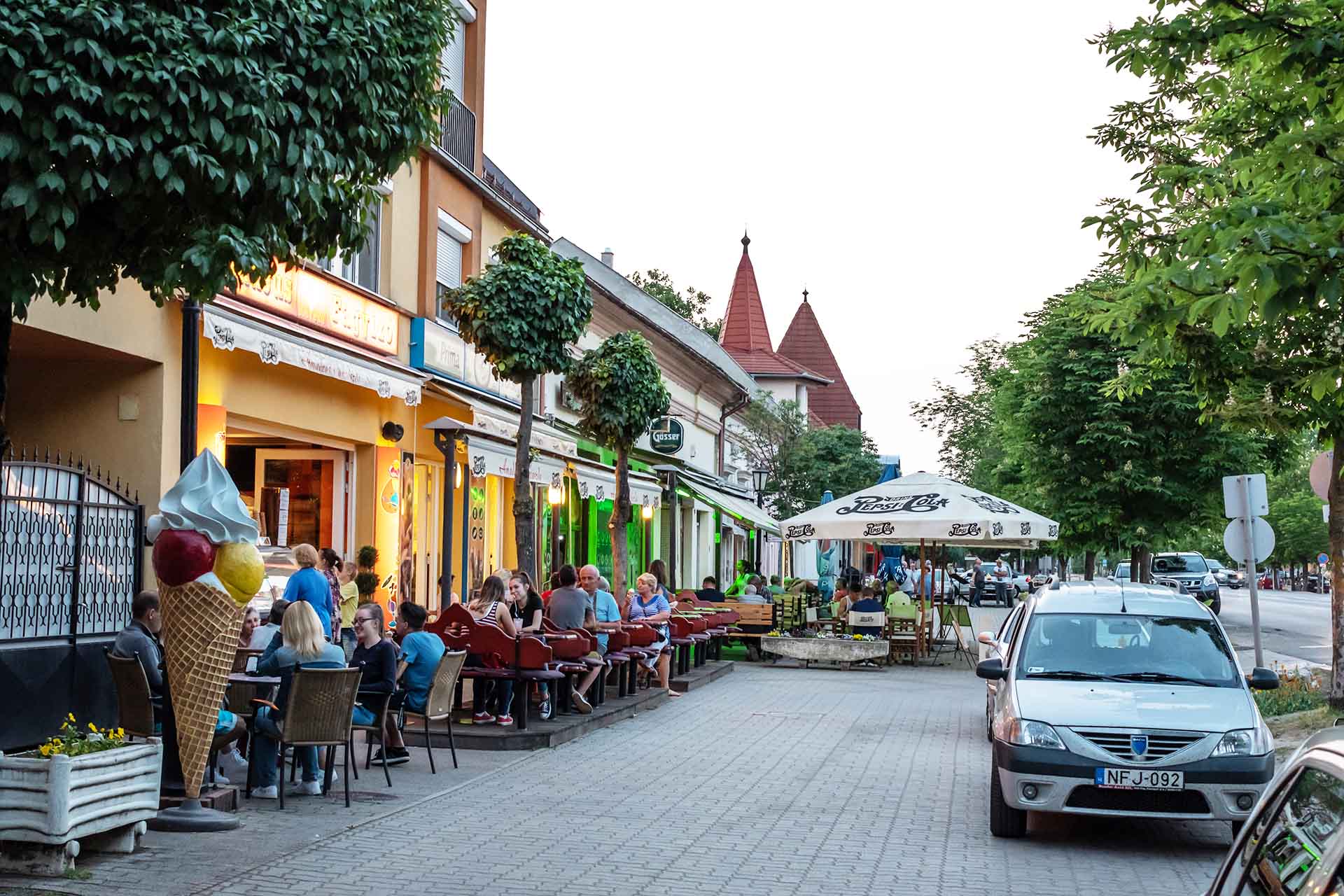
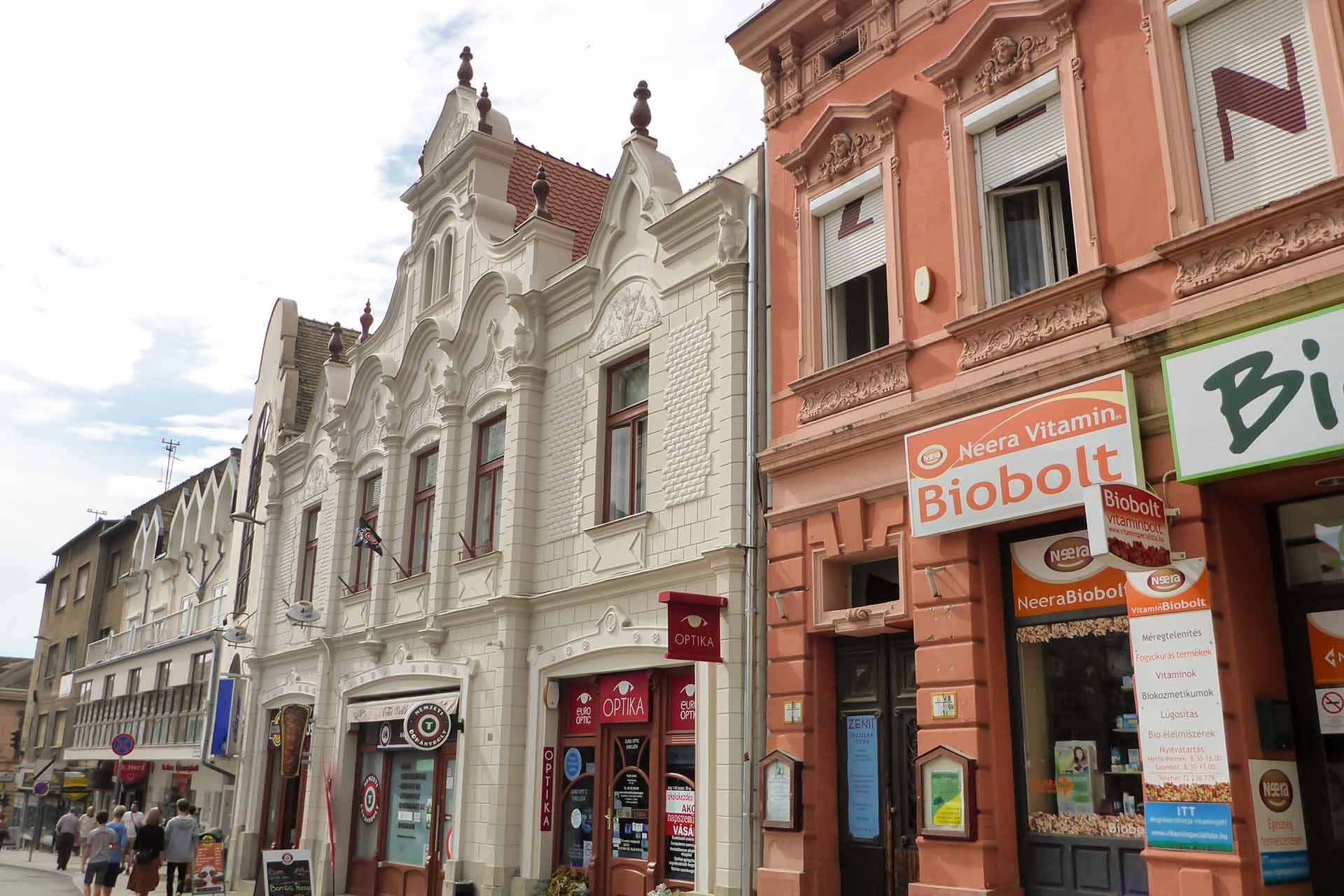
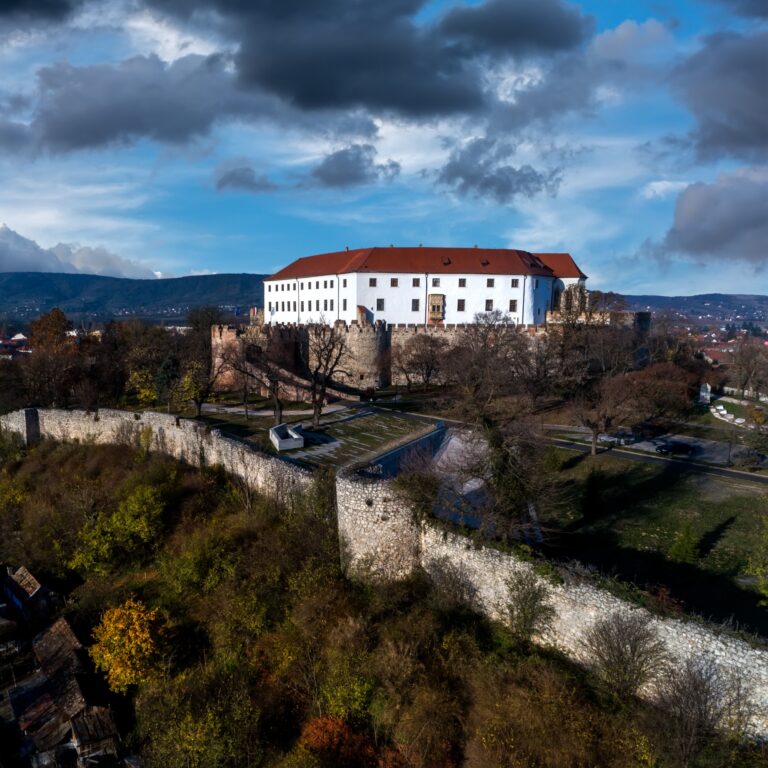
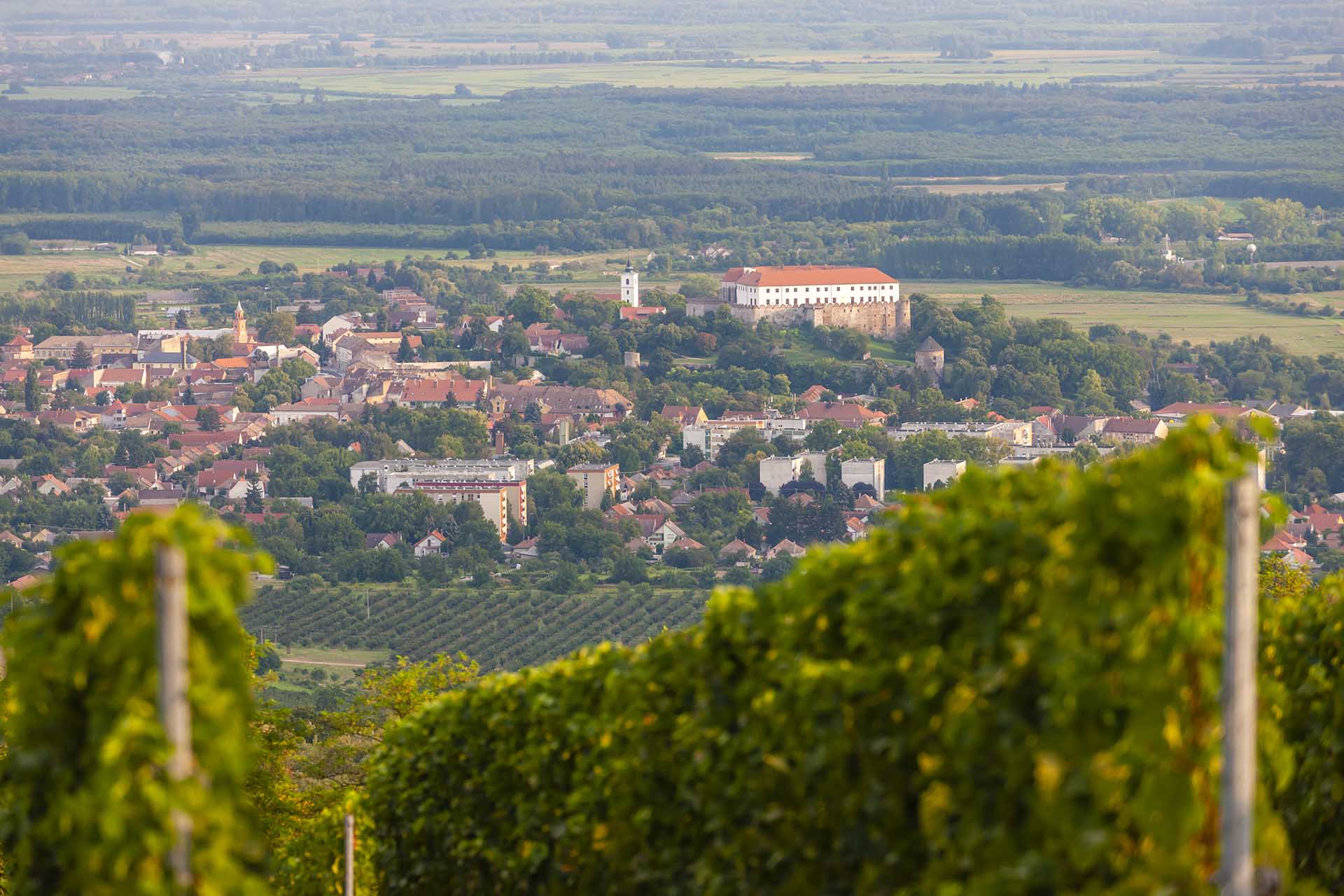
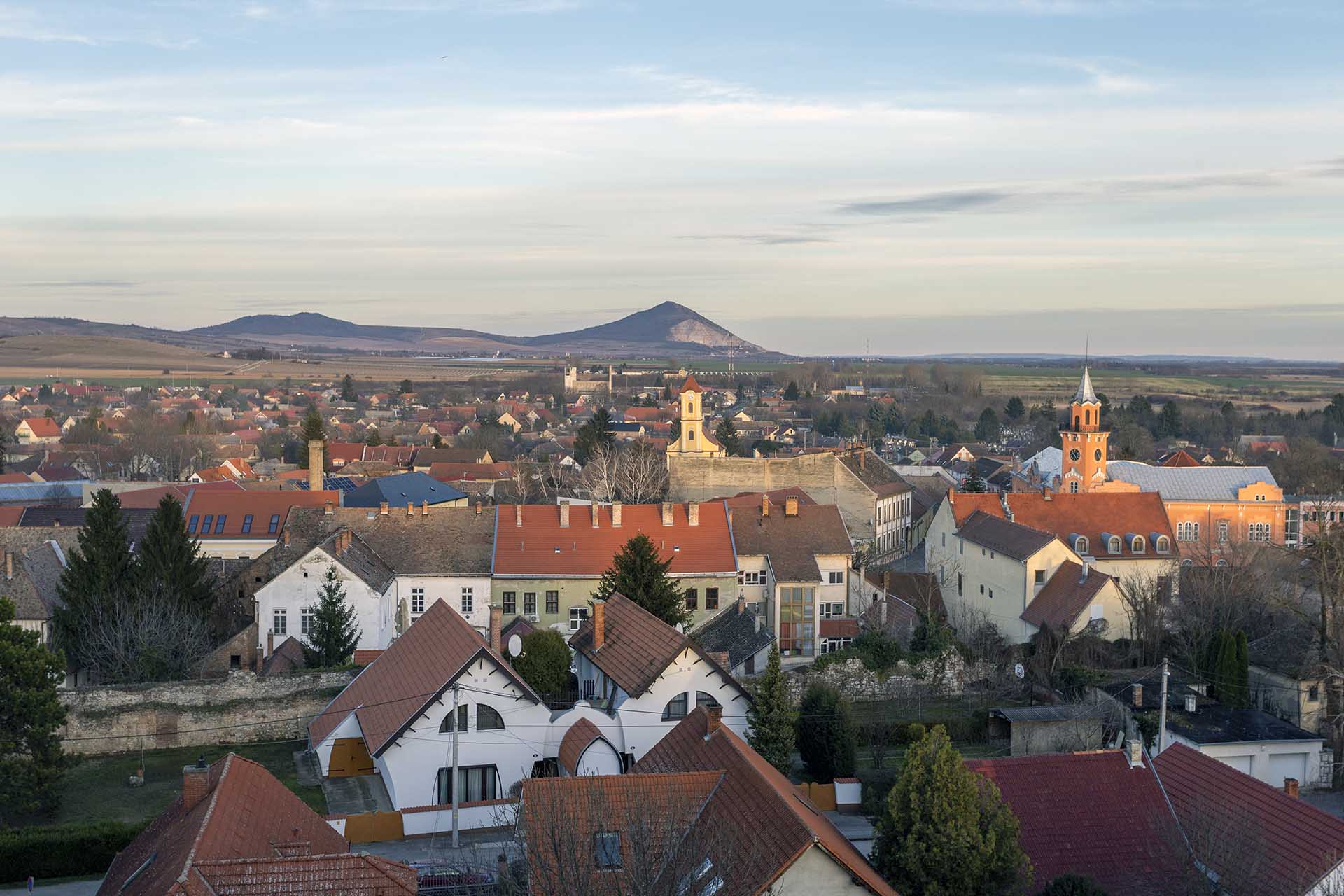
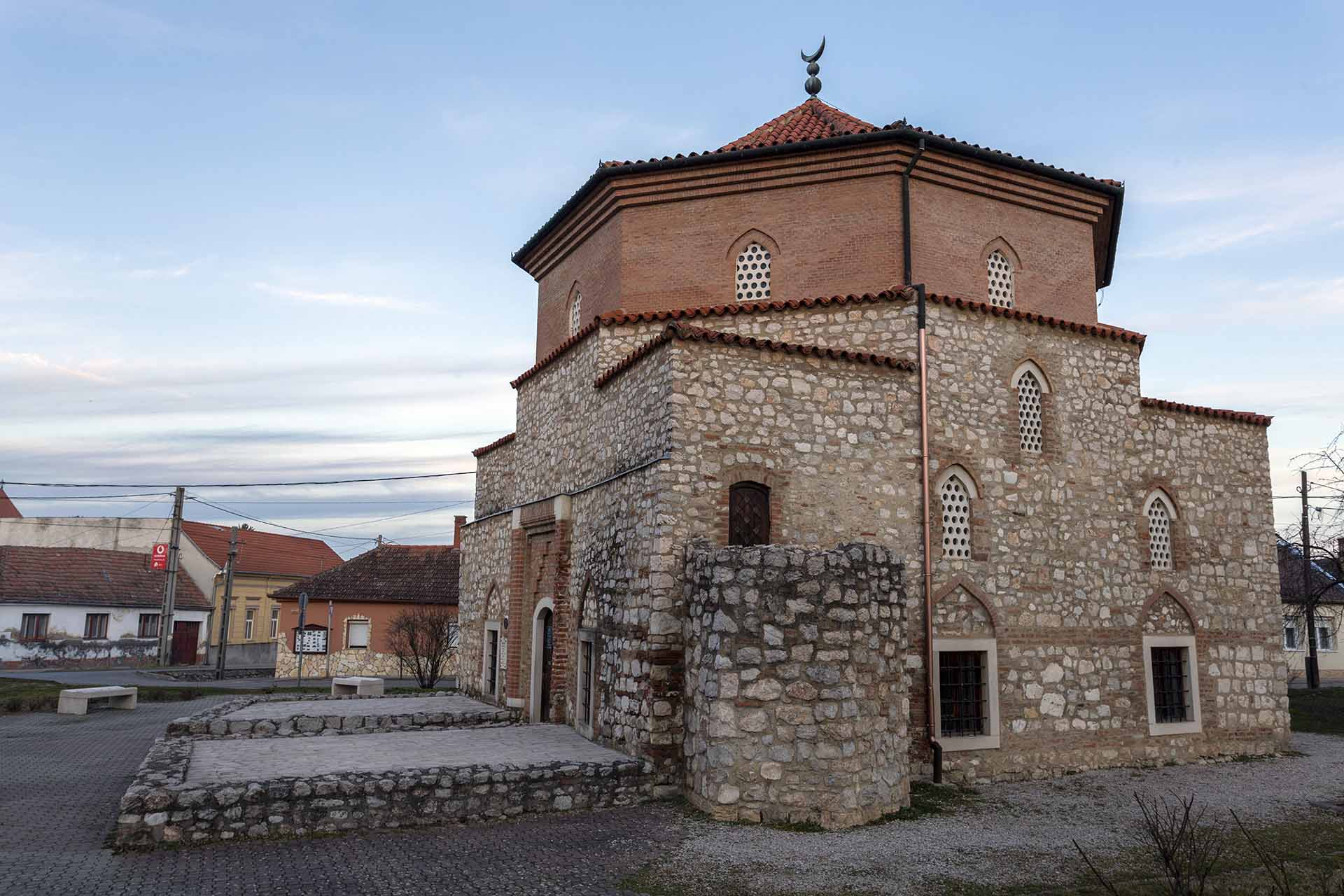
Mohács is located in southern Baranya County and is known as Hungary’s southernmost town on the Danube. Although its economy is primarily industrial and logistics-oriented, the town is also an important tourist destination and, owing to its favourable geographical location, has excellent agricultural potential. Mohács also has decades of international relations, giving culture and civic cooperation a prominent role in the life of the town.
Transport and logistics
Mohács plays a significant role in transport and logistics at both national and international levels; it is situated just 9 km from the Croatian border – specifically the Udvar crossing. Due to its border location, it is a major hub for north-south trade. From a transport perspective, it is highly advantageous that the junction of the M6 and M60 motorways is located 10 km from the town, and Route 56 is also nearby. Mohács is also the district centre, situated within the catchment area of two county seats: Pécs, 47 km away, and Szekszárd, 48 km away.
Mohács can be reached via the Pécs–Villány–Mohács railway line (No. 65), which has two stops in Mohács: Mohács railway station and Középmező station. Currently, passenger transport on the section between Villány and Mohács is predominantly provided by rail replacement buses; of the seven daily return services, only one is operated by a train.
An industrial railway line runs from the station towards the northern industrial area and the port, which makes it possible to quickly load even large volumes of goods onto wagons and transport them by rail.
A ferry runs every half hour between Újmohács and Mohács; otherwise, the nearest point to cross the Danube by road is Baja, 45 km away. The port of Mohács, situated alongside Route 56, is the European Union’s only river border port, featuring a 340-metre-long stretch of riverbank and an industrial railway line. As a Schengen waterway border, the town is a key hub for waterborne freight transport on the Hungarian section of the Danube. Further developments are expected in the future, including the construction of a new national public port, a Danube bridge and a logistics centre. As a result of these developments, Mohács’s role in international transport corridors is set to become particularly significant, enhancing the competitive position of both the town and the county.
From a tourism perspective, it is significant that the EuroVelo 6 (European Cycle Route Network) cycle route passes through the town, which can be used for both local and international travel. This route runs along the Danube in the Hungarian section, then, after leaving Mohács, continues southwards along the river embankment towards Croatia.
Local bus services are of a high standard, with services to other towns running at a suitable frequency. From a tourism perspective, it is important that Mohács is connected to Budapest by a direct service. Pécs, Szekszárd and Villány are key destinations. Like most industrial and logistics-oriented towns, Mohács attracts workers from various towns across the county. It is therefore of great significance that all settlements in the Mohács district and more than half a dozen in the Pécsvárad district can be reached within an hour by bus without changing. Public transport links are coordinated with employers’ needs, and the conditions for daily commuting are in place from the most important directions.
Infrastructure and public services
Mohács is a liveable town with high-quality infrastructure and public services; it draws on its traditions whilst remaining capable of renewal through its initiatives. High-quality provision is ensured for all age groups in the fields of education, healthcare, social services, culture and infrastructure. As Mohács is the centre of the Mohács district, all administrative, educational, healthcare and other institutions serving the district are located here. This also gives the town a kind of central role.
In Mohács, the quality of the road network within the town centre is good thanks to regular maintenance; however, there are plans to further develop and renovate the road network, car parks and bus stops in line with current transport needs and modes. The cycle path network is constantly expanding – most recently, the section connecting the industrial area and the vineyard hill roads, running parallel to the A56, was completed.
The infrastructure for linear utilities (water, gas, electricity, sewage) is excellent. Baranyavíz Zrt. is responsible for drinking water supply and sewage collection and treatment.
Mohács-Hő is the district heating provider in the town. The modern, natural gas-fired heating plant currently supplies heat to two thousand homes, accounting for one-sixth of all homes in Mohács.
The former, outdated waste management system has been replaced by a modern waste treatment system that also utilises recycling opportunities.
The Mohács District Office provides administrative services to some 33,000 residents across 26 settlements. It houses departments for employment, public health, food chain safety and animal health, as well as regulatory and child welfare services, in addition to the government service centre and the land registry office.
Within the framework of primary healthcare, there are GP, paediatric and dental practices. Advanced care is provided by Mohács Hospital. The institution houses more than two dozen specialist clinics, laboratories, diagnostic imaging facilities and an occupational health service. Among the dozen or so departments, there are also intensive care and rehabilitation units. The hospital has a total of 300 beds, some of which are active.
The range of educational institutions includes nurseries, primary schools and secondary schools. These include state- and local authority-run institutions, as well as those offering arts education alongside traditional schooling and ethnic minority-focused institutions. There are 582 children attending the eight nursery schools and 1,509 attending the six primary schools. There are 866 students in secondary education, 352 of whom are in grammar schools.
Based on the results of its pupils, the Kisfaludy Károly Grammar School ranks in the top quarter of the national secondary school league table and has a strong tradition, particularly in the teaching of German. At the Radnóti Miklós Technical and Vocational School, the five-year technical programme trains specialists in law enforcement, IT and the hospitality industry, whilst those opting for the three-year vocational school can study in the fields of commerce, food processing, metalworking and social care. Higher education is available in Pécs, where those wishing to study can pursue their university studies.
The National Chamber of Agriculture operates a village agronomist’s office. In the recently renovated building, business can be conducted in modern surroundings.
Key economic players
Mohács’s economy is primarily focused on industry and logistics. From an employment perspective, it is essential that at least medium-sized enterprises establish themselves here, but the town also places particular emphasis on strengthening smaller local firms. The economy is centred on the industrial park, where the main sectors are services (logistics, trade, freight forwarding), the food industry, the textile industry, wood industry (furniture manufacturing, fibreboard production), engineering (tool manufacturing, vehicle manufacturing), construction and the energy sector (electricity generation). Thanks to a greenfield development and a site regeneration project, companies setting up here can choose from brownfield sites.
Tourism is becoming an increasingly significant sector in the town, with cultural and heritage tourism, as well as high-quality local products (wine tourism, craft products), being the main attractions. There are 4 higher-quality (at least three-star) accommodation providers and 39 restaurants and cafés awaiting guests. Various events (e.g. the Busójárás festival) are also a major draw.
Without claiming to be exhaustive, here are some of the more important local businesses:
- MCS Vágóhíd Zrt. – A company owned by the Pick Group, specialising in the slaughter, processing and packaging of pigs.
- KRONOSPAN-MOFA Hungary Kft. – An Austrian-owned company operating in two dozen countries, specialising in the manufacture of wood-based panels for the furniture industry.
- “Margitta-sziget 92” Kft. – A Hungarian-owned company engaged in agricultural production, sales and services, primarily involved in the cultivation and sale of cereals, legumes and oilseeds
- Le Bélier Mohács Ltd. – A French-owned company engaged in metal goods manufacturing and die-casting.
- SH-BAU Mérnöki Kft. – A Hungarian-owned company primarily engaged in architectural design, construction and related services.
- Prophyl Kft. – A Hungarian-owned company specialising in the manufacture and distribution of veterinary products, the production of vaccine eggs and related services.
- Mohácsi Vasöntöde Kft. – A company specialising in the manufacture and machining of cast iron fittings, machine parts and equipment.
- GRIN-BAU Kft. – A Hungarian-owned company primarily engaged in general contracting, reinforced concrete construction and design.
- Screen Hungary Ltd. – A Belgian-backed company specialising in textile finishing, specifically machine embroidery and textile film printing.
Areas designated for commercial use
There are relatively significant disparities in development within Baranya County. The economic agglomeration of the county town, as well as the Bóly–Mohács region on the eastern edge of the county, are considerably more developed than the northern, western and southern peripheries of the county. Mohács can also be regarded as a micro-region focused on the industrial and logistics sectors; it is a key player in the county’s economy and, from an investment promotion perspective, a potential player in the global investment acquisition market.
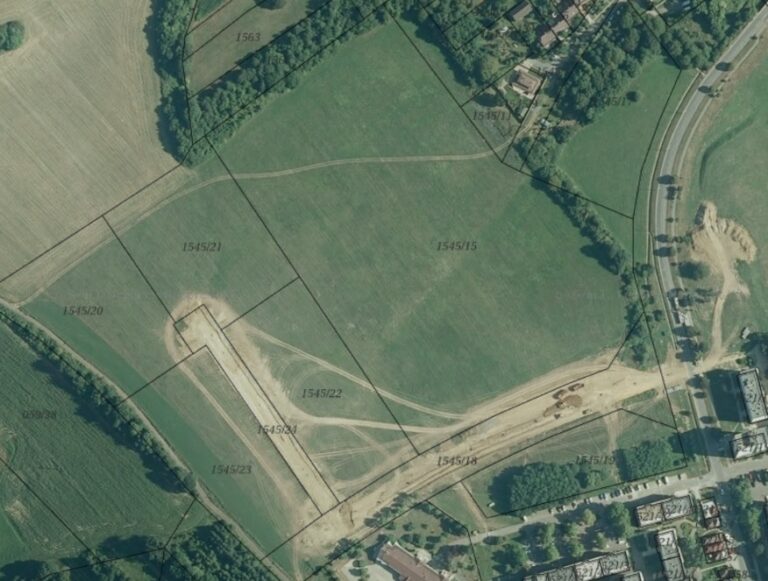
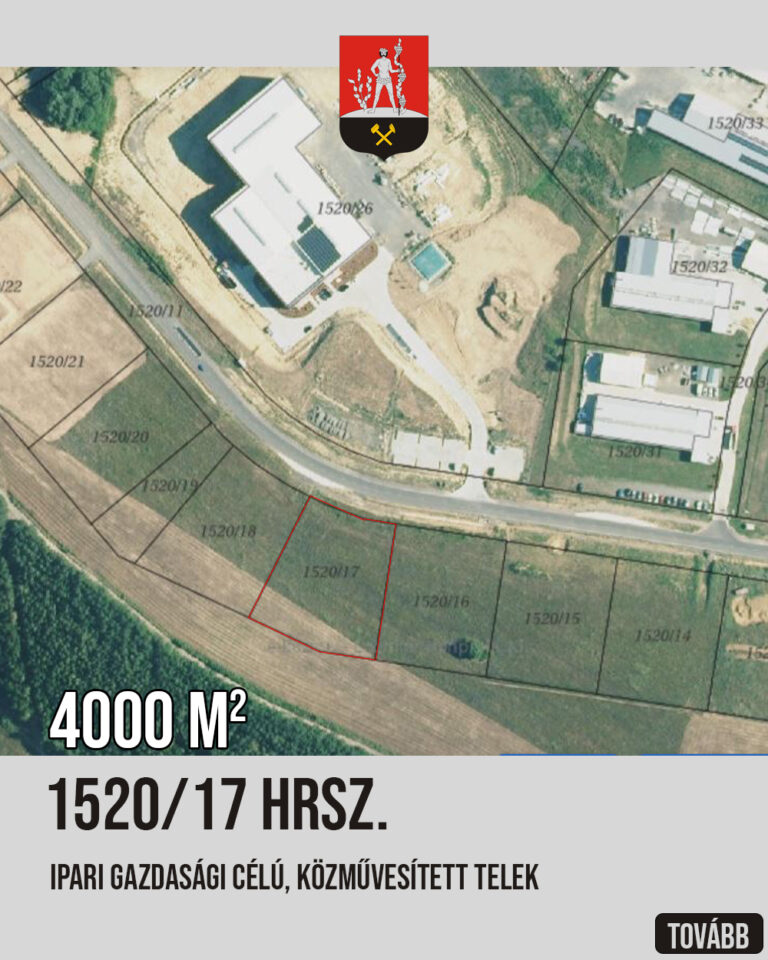
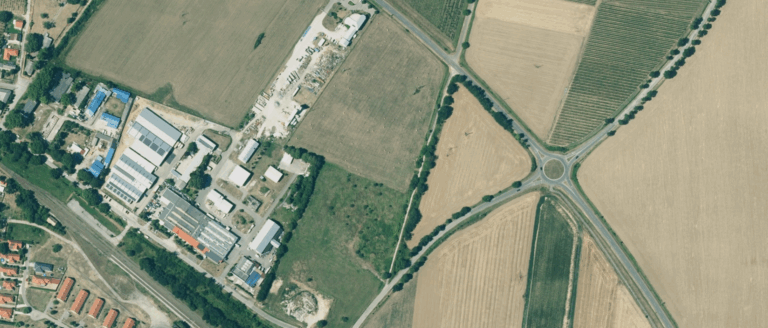
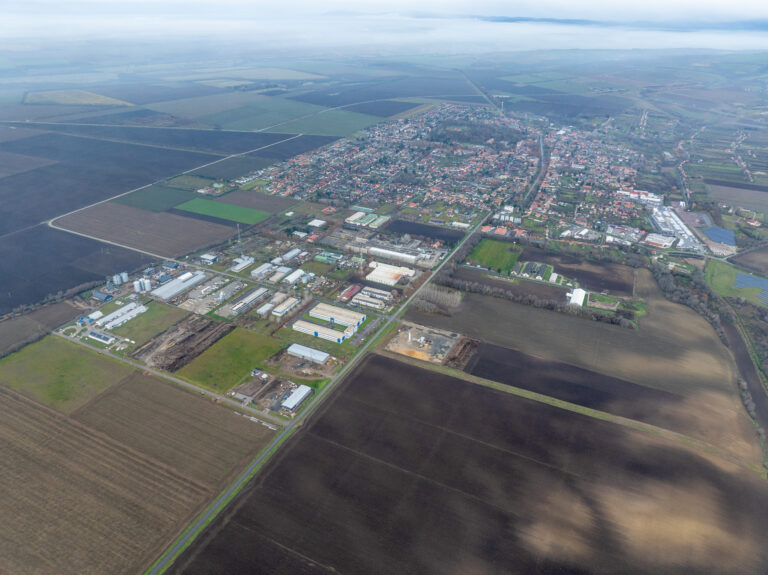
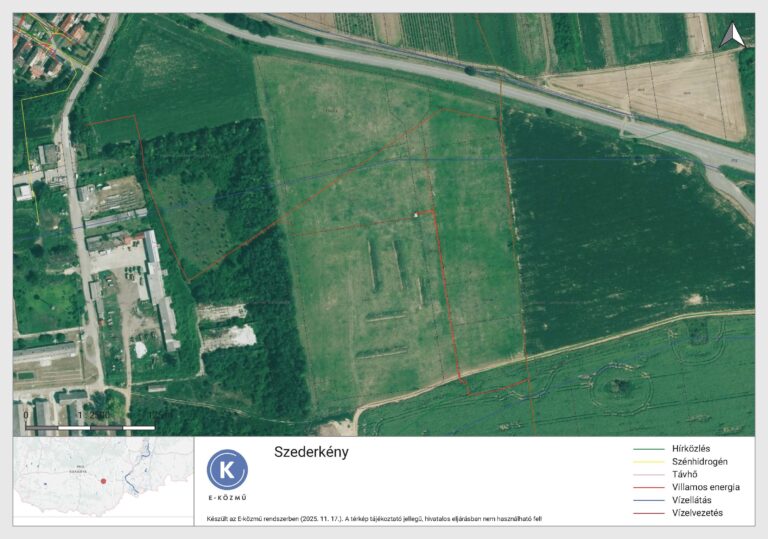
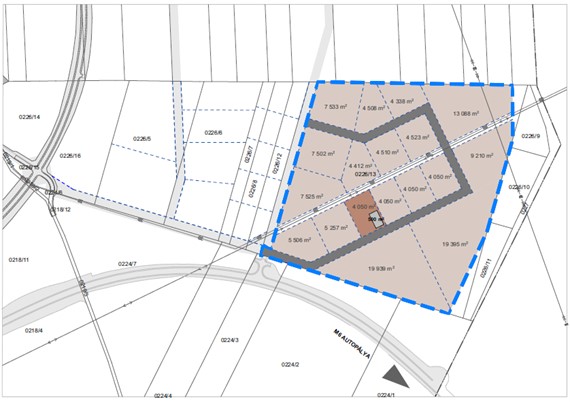
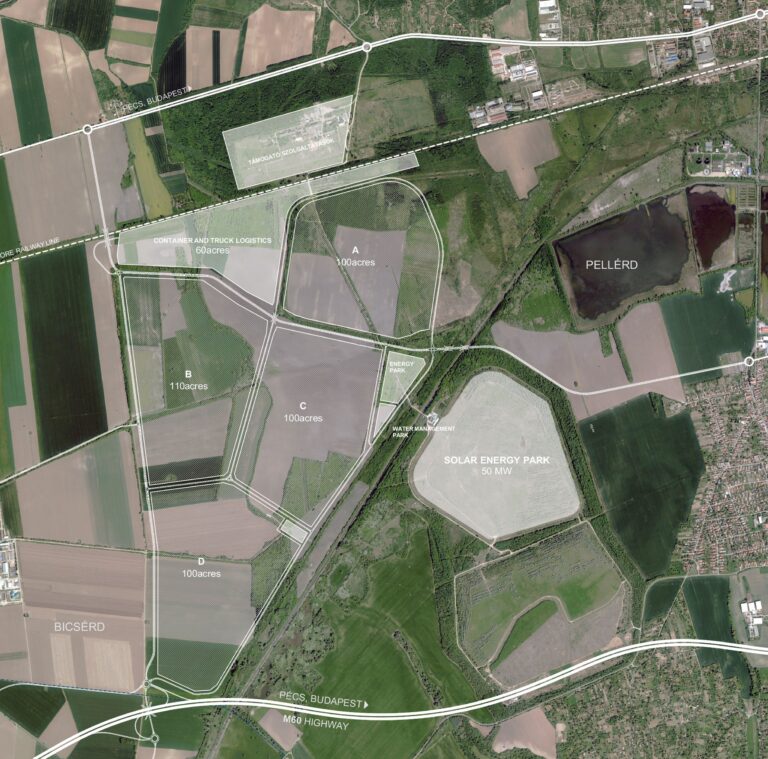
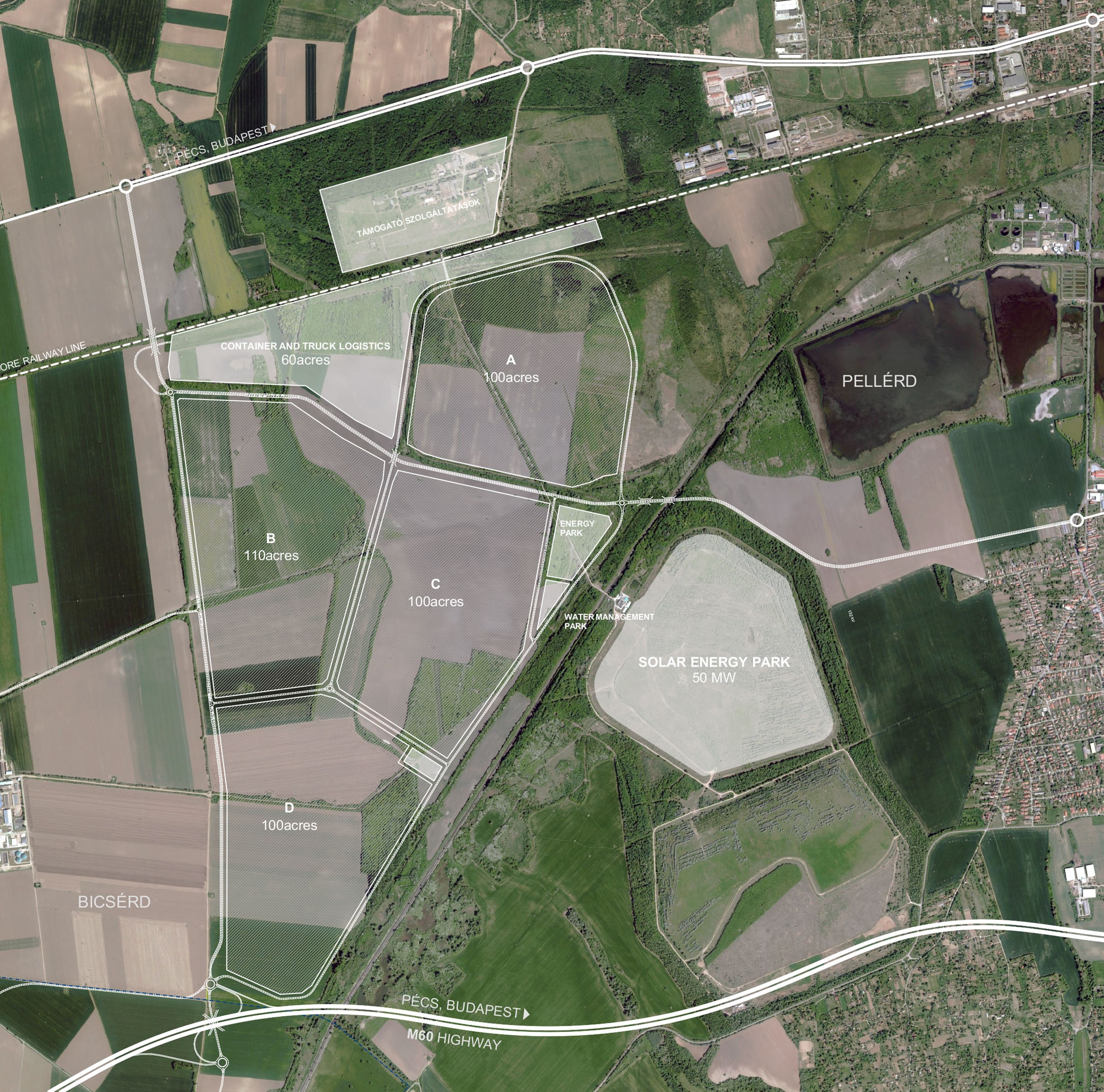
In Baranya County, Mohács has the second-largest industrial park after Pécs. The economic zone north of the town, alongside Budapesti út, covers a total area of 225 hectares. Currently, 45 operating businesses occupy 61% of this area. The available area is 90 hectares, divided into 62 plots of varying sizes. These are greenfield sites, owned by the local council, fully serviced and with a 50% buildable area.
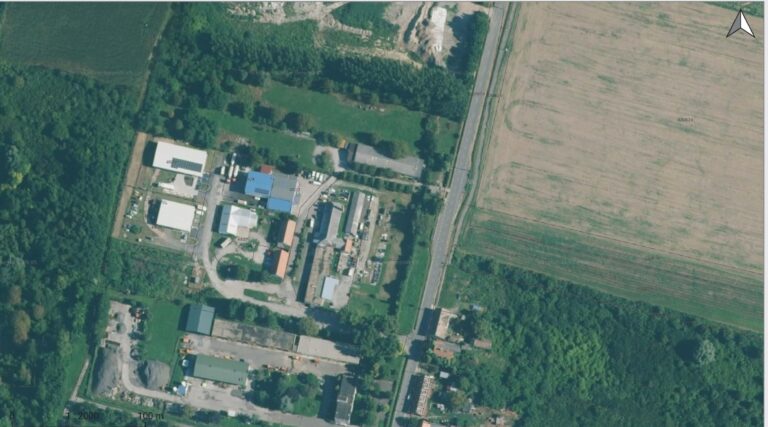
A 4.82-hectare brownfield industrial site is available to investors, and two development projects are currently underway, aimed at further expanding the park’s area and infrastructure. There are also privately owned areas suitable for commercial use.
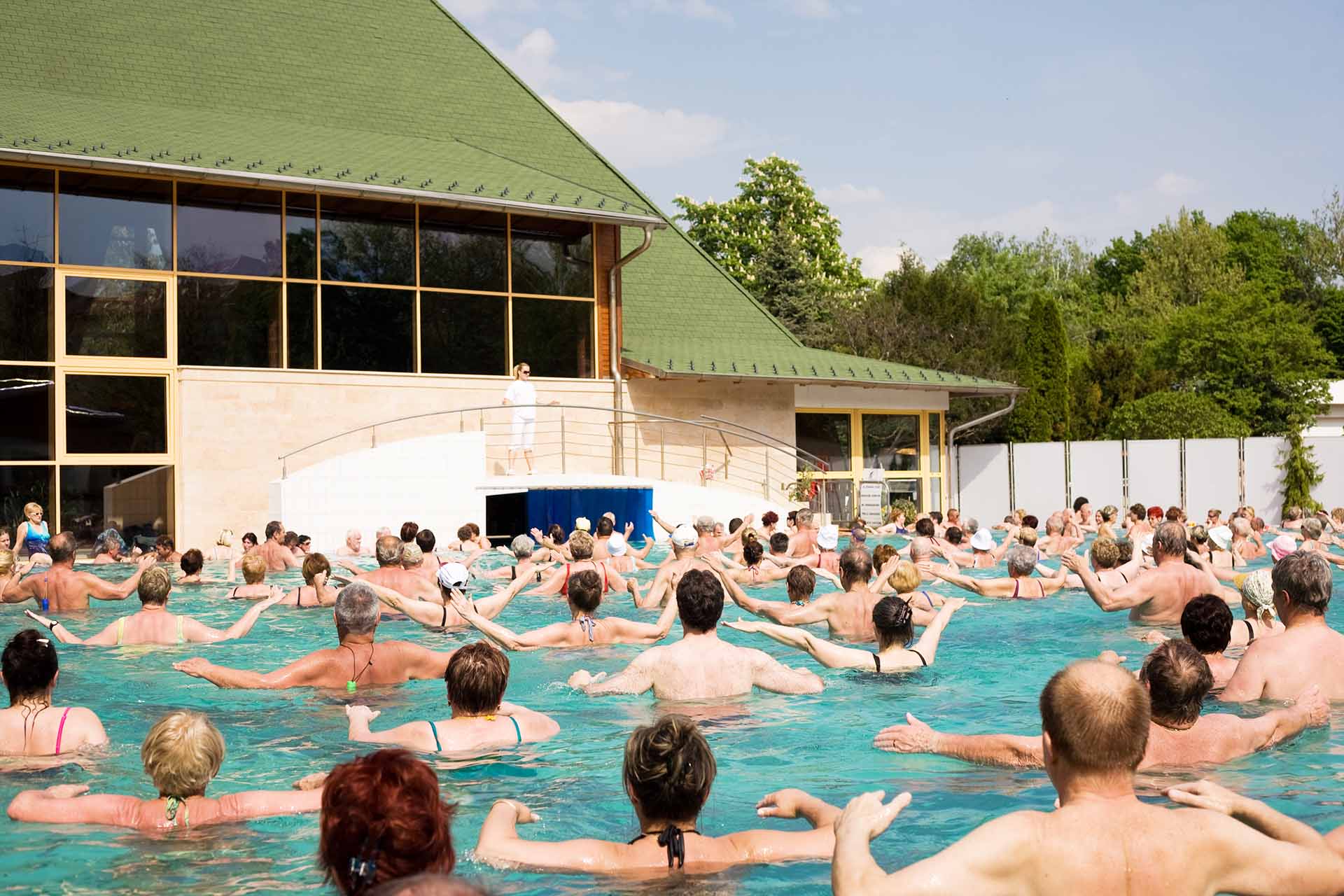
Environmental and economic sustainability are close to Mohács’s heart. Energy management is being achieved through a gradual transition to renewable energy sources (e.g. solar power). As a result, the city’s institutional system will operate more efficiently, and housing heating costs will decrease. In addition to solar energy, thermal water is also available in Mohács, which is utilised for healthcare and medical purposes but also holds potential from an energy perspective.
An incubator centre operates within the industrial park, creating a more favourable environment for start-ups than the market offers. This helps to strengthen the competitiveness of small and medium-sized enterprises in the region that have limited access to capital. In addition to rents below market rates, businesses established for no more than three years receive further, annually decreasing discounts for a period of three years. The incubator centre helps them establish market stability and enables them to develop independently in the future, becoming stable players in the economy.


Economic support and tax policy
The local authority’s tax policy is important not only for securing the necessary funding for planned developments, but also as a key tool for encouraging investment and supporting businesses. The aim is to attract new businesses to Mohács that generate as much added value as possible and to strengthen those already established locally.
The local business tax rate in Mohács is the maximum rate set by law, i.e. 2% of the tax base. The rates for building tax range from 300 to 725 forints: 300 forints per square metre per year for general-purpose property and 700 forints per square metre per year for commercial property. The tourist tax, which is levied on providers of tourist accommodation, is 360 forints per guest night. The town does not levy a land tax.
In Mohács, the local council supports new businesses setting up in the area, as well as established companies establishing new premises or expanding their workforce, by offering preferential land purchase opportunities on a case-by-case basis.
In the case of setting up or expanding a business in the industrial park, the town offers a discount of 600,000 forints per job on the land price, provided the position is filled by a local (Mohács) employee. The discount may be 300,000 forints per job if an existing business expands its premises to retain its employees.
Businesses that have already established themselves in the industrial park are also exempt from paying water and sewage utility charges, provided they fulfil their job creation commitments.
Local authority investments
In recent years, the local council of Mohács has made significant efforts to develop the town and encourage investment. As part of this, a new industrial park covering more than 40 hectares with developed infrastructure has been handed over, and the renovation of several local authority institutions, squares, streets and buildings has been completed. Long-term thinking and sustainability are key principles of urban development in the town. Preserving environmental balance has played a key role in tourism developments, as Mohács is often cited as a destination for nature-based experiential tourism.