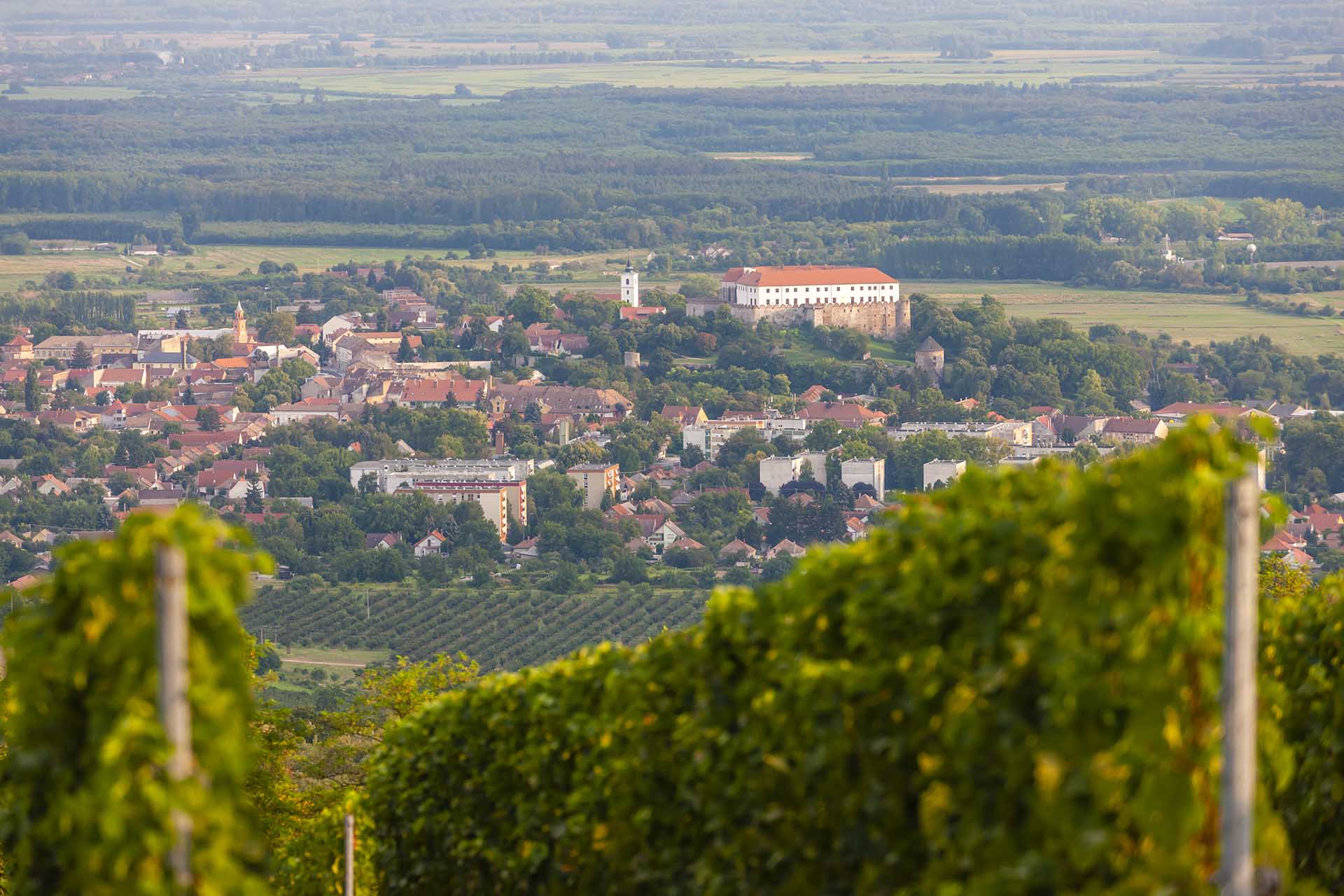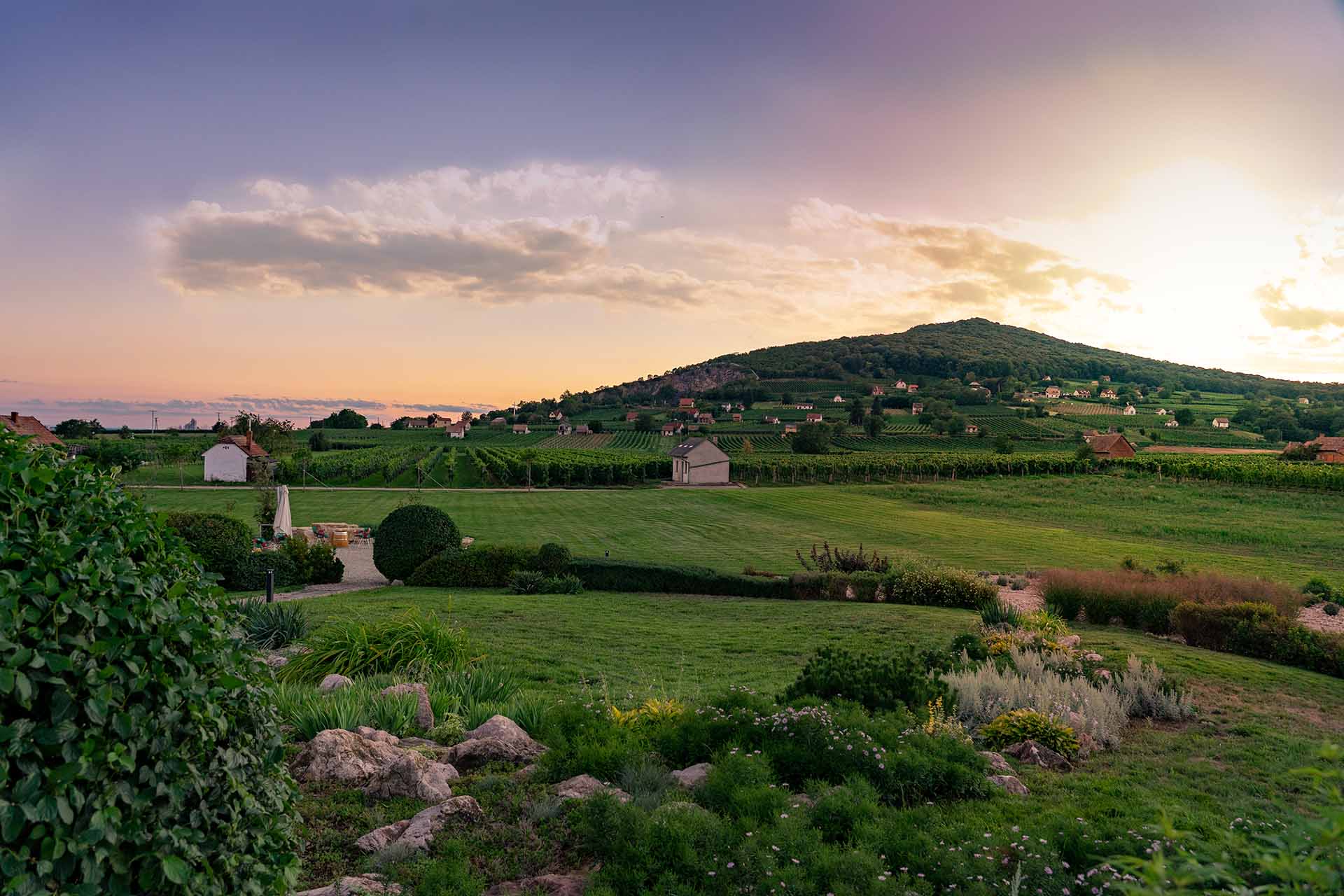
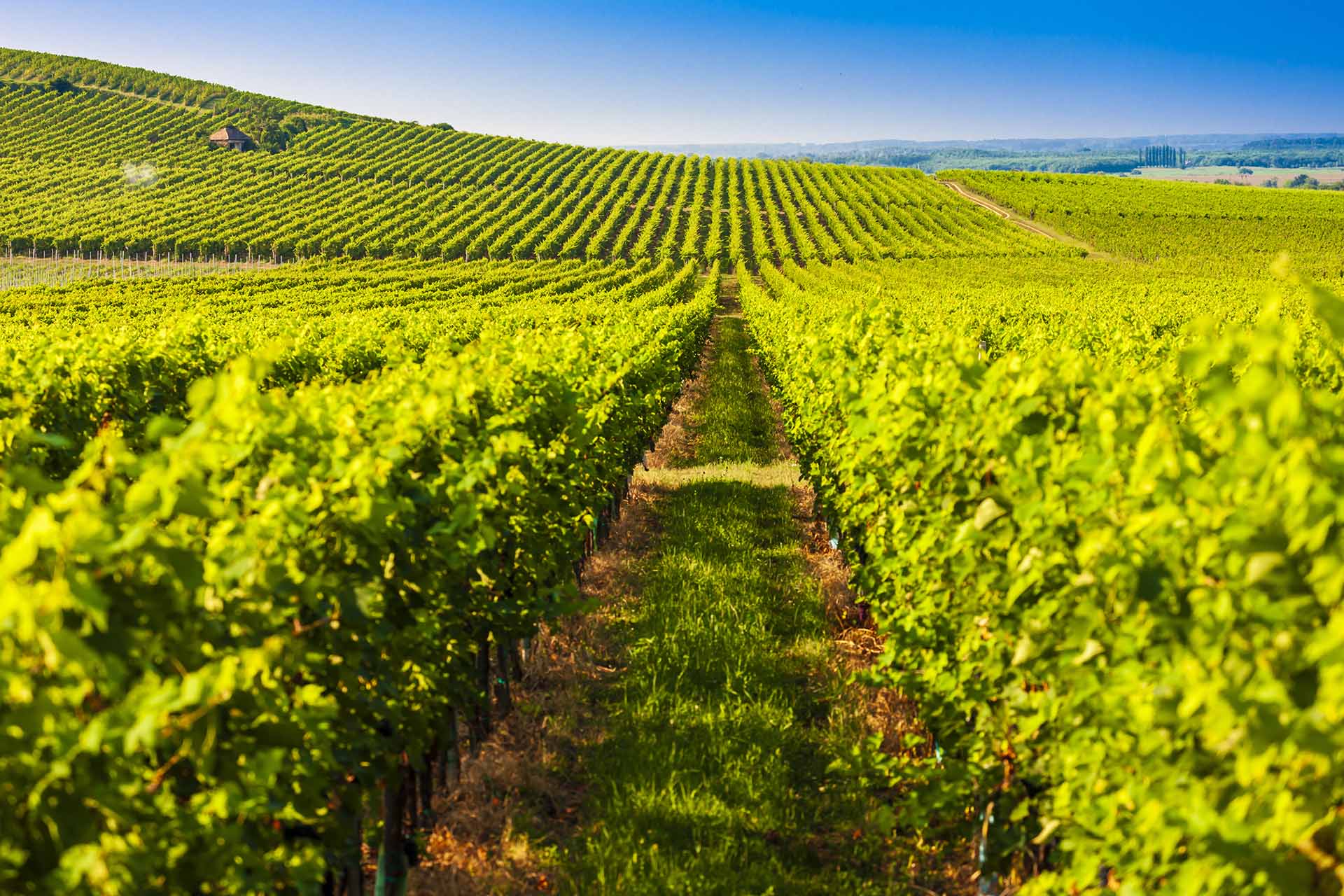

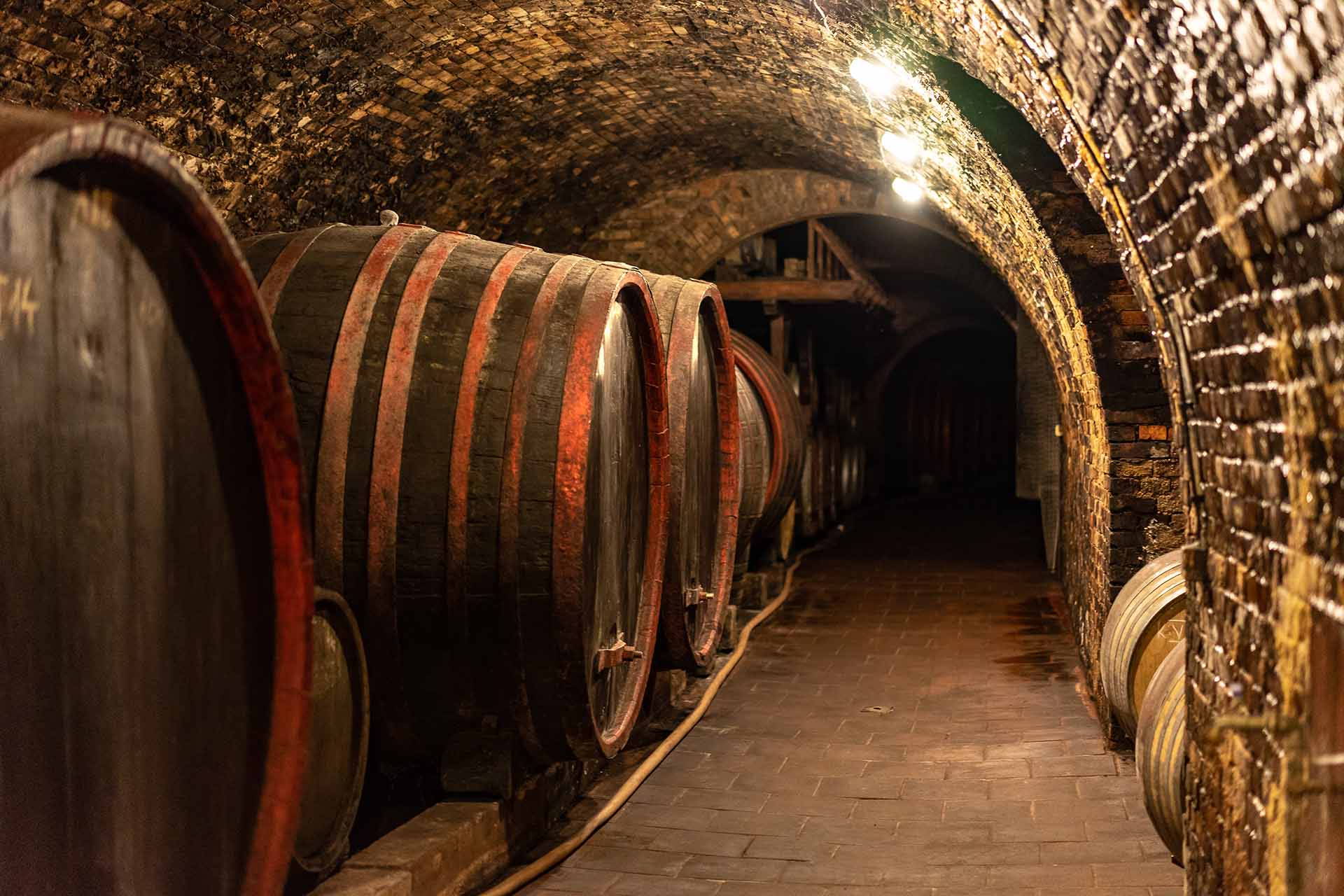
The long-established wine-growing region on the southern slopes of the Villány Hills fundamentally shapes the town’s economy. Its favourable transport connections further enhance Villány’s tourism potential.
Transport and Logistics
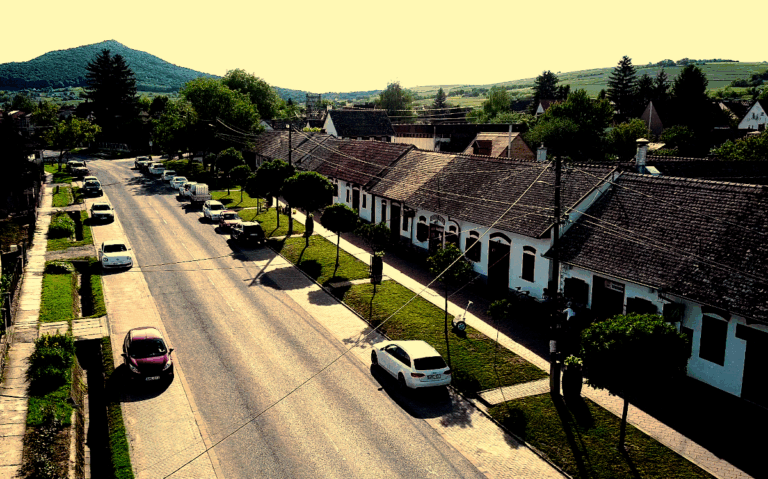
The town lies at the south-eastern corner of the Villány Hills, only 17 km from the Croatian border. Its location is particularly favourable: it has direct, good-quality road connections towards Pécs and Osijek, while the busy southbound main roads—the No. 56 through the Udvar border crossing towards Beli Manastir and the No. 58 through Drávaszabolcs towards Donji Miholjac—bypass the town. Villány therefore combines good accessibility with a quiet small-town environment protected from through traffic.
Pécs, the county seat, is 35 km away, while the district centre of Siklós is 14 km away. The nearest main road, Route 6, can be reached in Pécs via a well-maintained road. The motorway network is at a similar distance: the Pécs-East junction of the M60 is 25 km away, while the Szederkény–Bóly junction is only 17 km away and is also accessible on a good-quality road.
The extension of the M6 motorway to the Croatian border is expected to be completed in the near future, together with a junction serving the Villány area. A direct motorway connection for Villány may subsequently be built, further improving the town's logistics position and accessibility.
Villány's most important transport corridors are the road towards Pécs and the route to Harkány via Siklós. The latter is appropriately designed for its traffic volume and is in suitable condition. An important advantage for tourism is the segregated cycle path running alongside almost the entire route.
The town has good rail connections. On Line 65, railcars run towards Pécs every two hours from early morning until late evening. These services are suitable both for daily commuting and tourism. A similarly regular two-hourly timetable operates towards Mohács, although most trains on this section are currently replaced by buses.
An international service also stops in Villány four times a day in each direction, connecting Pécs with Osijek in Croatia via a change at Beli Manastir.
Regional bus services are frequent and of a good standard. Buses run regularly towards Harkány, Pécs, Bóly and Mohács, making the town readily accessible for commuters and tourists. A direct service without transfers links Villány with Budapest: the bus leaves the capital in the morning and returns from Villány in the early afternoon.
Infrastructure and Public Services
Villány's internal road network is generally in good condition and properly maintained. The townscape is orderly, and stormwater drainage systems have been installed. Some of the roads serving the vineyards above the town also have a solid surface. Drinking-water supply and wastewater treatment are provided by Dunántúli Regionális Vízmű Zrt.; the town has its own wastewater treatment plant. No district-heating network is available.
Administratively, Villány belongs to the Siklós District, which comprises more than fifty settlements and has a population of over 34,000. District-level offices in Siklós include departments for food-chain safety and animal health, regulatory and guardianship affairs, employment and public health, as well as the land registry and a government service centre. The latter also operates a local branch in Villány that is open every weekday.
The Hungarian Chamber of Agriculture operates an independent customer service office in the town.
Local healthcare services are mainly limited to primary care. Adult and paediatric general practitioners, a dentist, health visitor services, a pharmacy and an ophthalmology clinic are available. Most are housed in a modern and well-equipped health centre. The central out-of-hours medical service and the nearest ambulance station are in Siklós. Specialist consultations and laboratory tests are available in Pécs or Mohács, while patients requiring hospital care are generally treated at the university clinics in Pécs.
In addition to primary education, vocational training is also available locally. The town has a nursery and a kindergarten for 78 children. The primary school provides both general and arts education, with particular emphasis on German-language teaching and the preservation of ethnic German traditions. It had 178 pupils in the 2020–21 school year.
The Teleki Zsigmond Agricultural Vocational School and Dormitory primarily teaches occupations related to viticulture and winemaking. Alongside standard technician and vocational secondary programmes, it offers one-year advanced courses for students with specified qualifications as well as full-time, correspondence and course-based adult education. With its training cellar and dormitory, the school—operating for more than half a century—is a key centre for training wine-industry professionals. It had 139 students in the referenced school year.
Students preparing for university can continue their studies at secondary schools in Siklós, Mohács and Pécs.
The area's most important micro-regional partnership is the South Baranya Association of Border Settlements, based in Siklós. It brings together the municipalities, civil organisations and businesses of 88 settlements to coordinate development plans and make better use of the region's strengths.
The Villány–Siklós Wine Route Association, representing producers of the wine region, was the first organisation of its kind established in Hungary after the change of regime. It works simultaneously on business development, defining and monitoring quality standards, tourism development and wine marketing.
Key Economic Players
Villány has a strongly agriculture- and food-oriented economy. Its dominant sectors are viticulture, winemaking and the tourism built around them. The local economy is mainly characterised by Hungarian-owned small and medium-sized enterprises with strong local ties.
There are also many family businesses and micro-enterprises employing no more than a few people.
The importance of tourism is illustrated by the presence of 12 accommodation establishments offering at least three-star or equivalent quality, as well as 47 restaurants and catering outlets.
The Pécs–Villány priority tourism destination is expected to be established in the near future. Within this area, Villány is likely to become the most important attraction alongside Pécs in terms of development opportunities, tourism and marketing value. This designation may provide access to new and substantially larger development funds, further accelerating the town's growth.
There are 733 registered businesses in Villány, including 171 companies and 562 sole traders.
Some of the town's major businesses include:
- Villányi “Szársomlyó” Kft. – a Hungarian-owned company engaged in arable farming, pig breeding, viticulture, winemaking and agricultural trade.
- AKA Kereskedelmi Kft. – a company owned by members of the Gere family, active in viticulture, winemaking, wine trade, hospitality and hotel operation.
- Csányi Pincészet Zrt. – a Hungarian-owned company engaged in viticulture, winemaking and wine trade.
- GSH-Építő Kft. – a Hungarian-owned company providing construction design and civil and structural construction services.
- Tomfer 66 Kft. – a Hungarian-owned general contractor specialising in building construction.
- Sauska & Társa Borászati Kft. – a Hungarian-owned business active in viticulture, winemaking, wine trade, hospitality and hotel operation.
- Bock Group – Hungarian-owned businesses engaged in viticulture, winemaking, wine trade, hotel operation and hospitality (Bock Panzió Kft. and Bock Pince Kft.).
- Günzer Tamás Pincészete Kft. – a Hungarian-owned company active in viticulture, winemaking, wine trade, hospitality and hotel operation.
- Wunderlich Borászati Kft. – a Hungarian-owned company engaged in viticulture, winemaking and wine trade.
Sites for Economic Development
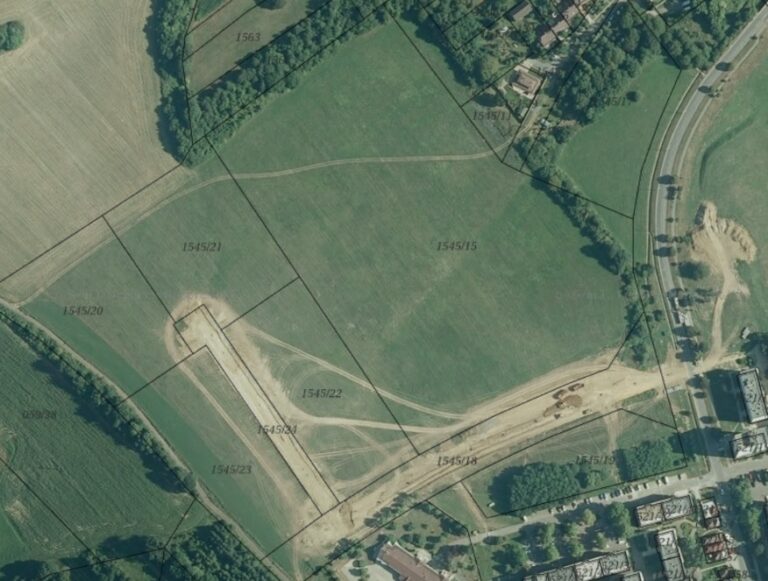
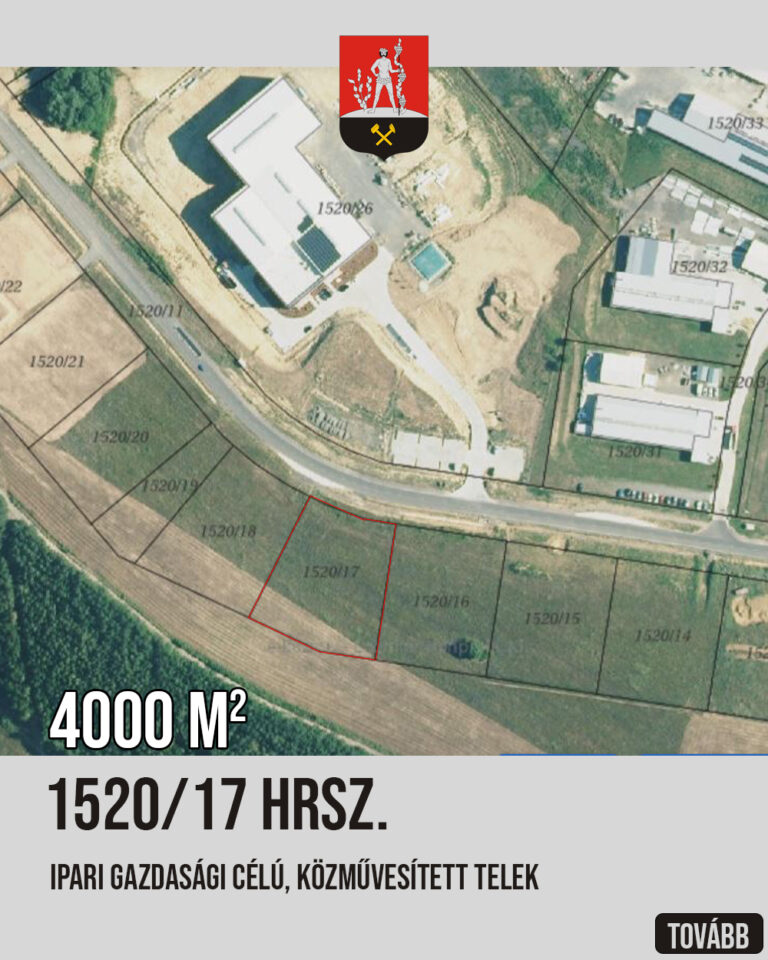
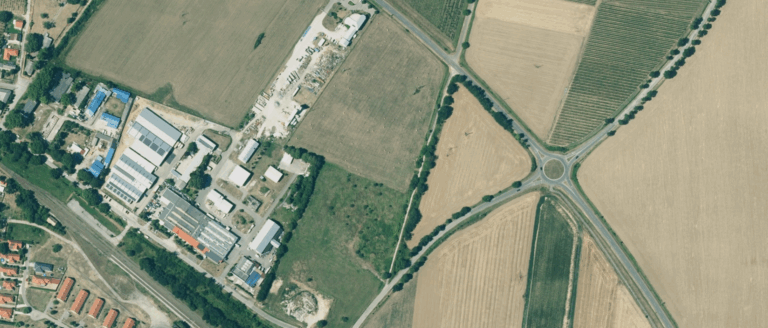
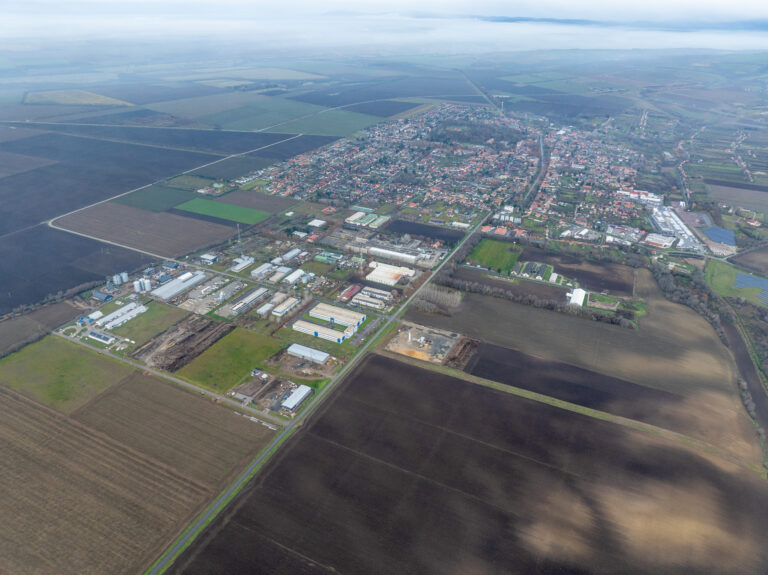
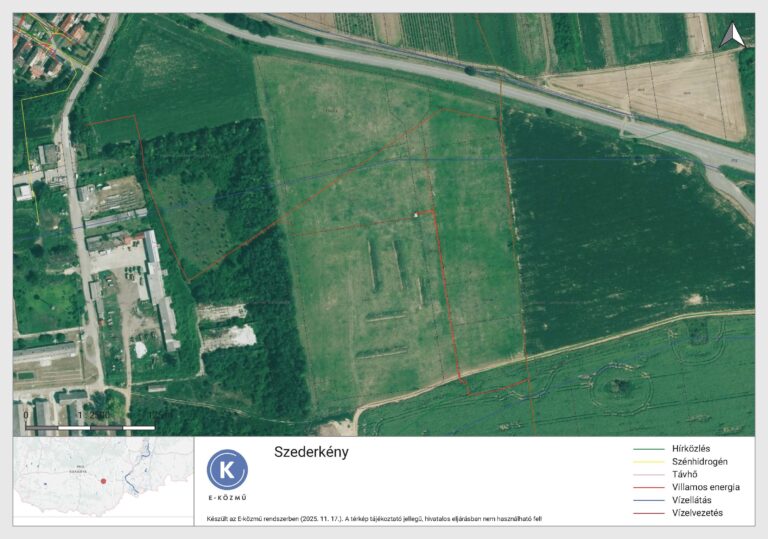
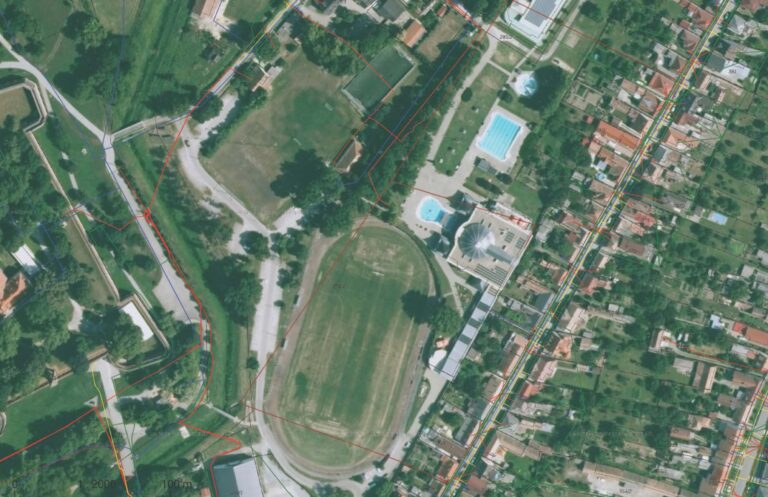
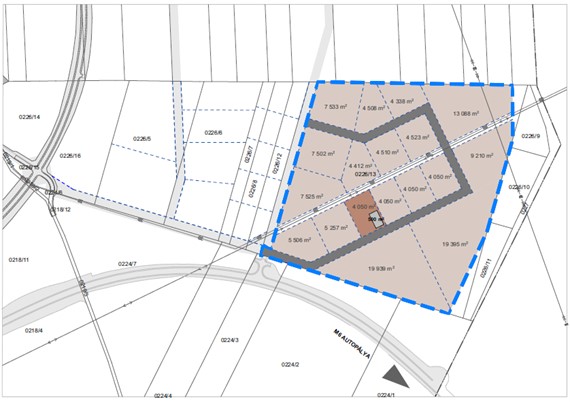
Businesses are not concentrated in a single area; sites used for economic purposes can be found around the outskirts of Villány. The municipality has plans to create a business zone on the south-eastern side of the town, in the area bounded by Dózsa György Road, Ifjúság Street and the bypass. These plots are still privately owned, as are other sites suitable for businesses along the bypass. Establishing the zone will require land acquisition, subdivision and the construction of roads and utilities.
The municipality currently owns 16 hectares of land suitable for greenfield investment and available to prospective investors. Smaller privately owned sites suitable for economic use are also available on the property market.
There is no producers' market in the town. However, almost every winery, including the smaller ones, has an associated hospitality venue where its own wines are sold.
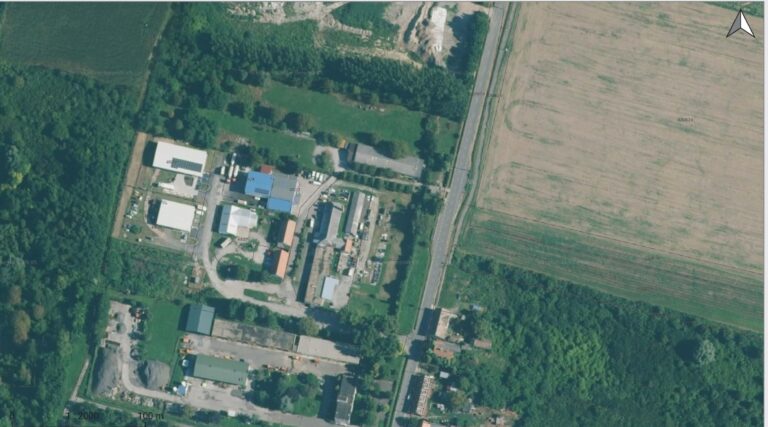
Among private owners, Bock Winery currently offers a 0.56-hectare brownfield property for sale or lease.
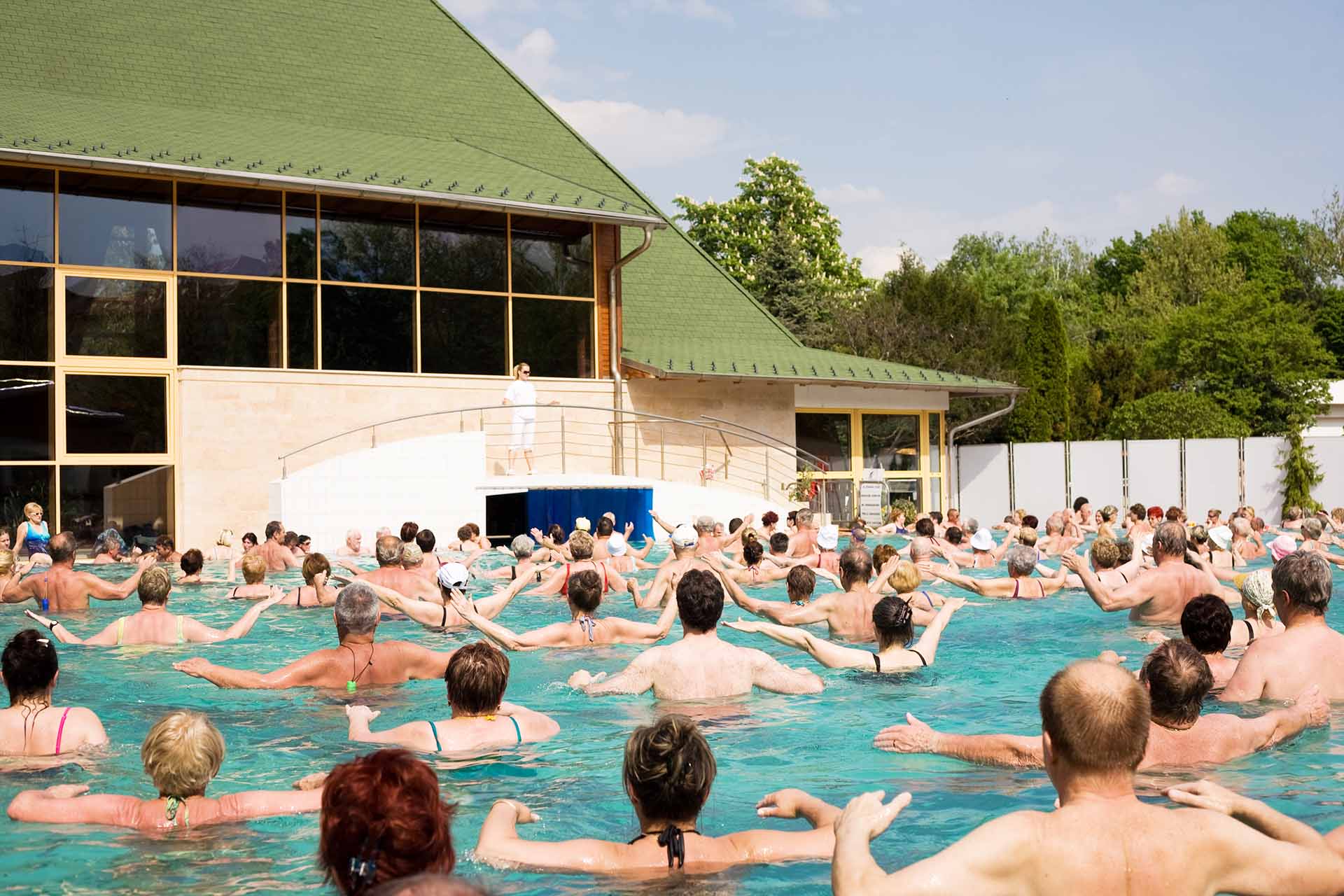
The municipality's economic development plans include drilling a thermal well. This would provide a renewable energy source for local businesses and institutions while also expanding the town's tourism offer.
Another plan is to transform the agricultural vocational school's premises into a business incubator supporting start-ups and activities related to research and development, the creative industries, software development and design.


Business Support and Tax Policy
As in most settlements in the county, Villány applies the statutory maximum local business tax rate of 2% of the tax base. The annual building tax is HUF 200 per square metre, except for commercial properties, where the rate is slightly higher at HUF 250. The municipality does not levy a land tax.
The tourism tax payable by accommodation providers is HUF 500 per guest night.
Municipal Investments
A key objective of the municipality is to improve the town's liveability and increase its appeal to tourists. Developments financed from municipal resources or grants therefore generally serve both local residents and visitors.
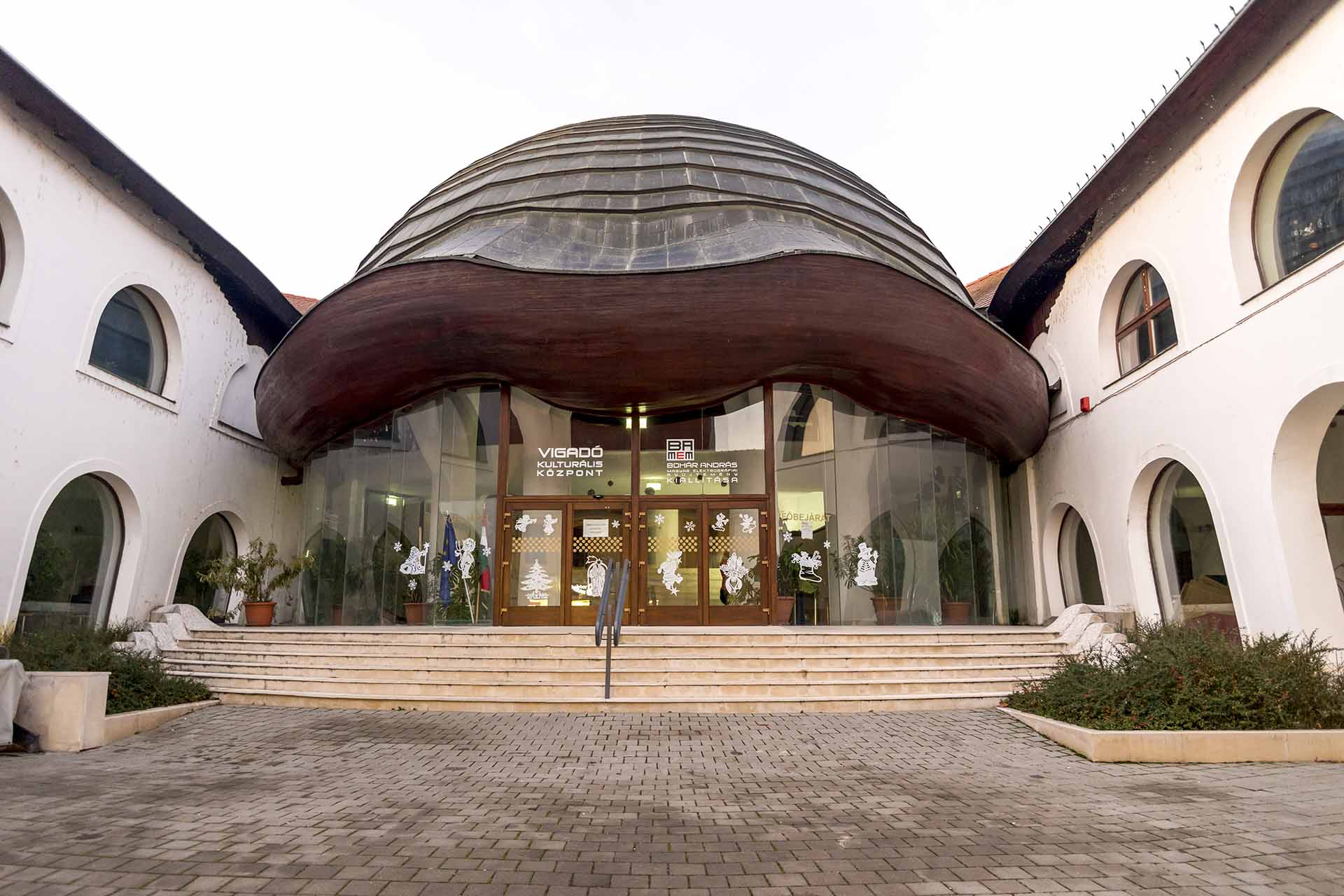
One of the most visible recent investments was the creation of the event venue, which hosts the various festivals organised several times each year. Significant funds have also been spent on renovating institutions, roads and stormwater drainage systems and on improving the townscape. The growing number of solar panels on municipal properties and plans involving geothermal energy demonstrate the town's commitment to renewable energy.
The municipality's long-term strategic goals are for Villány to:
- become a regional economic centre with a diverse industrial base built on tradition and suited to the scale of the town;
- retain its population and improve the local community's quality of life while remaining capable of renewal;
- develop the urban environment and infrastructure while preserving and further improving the environmental condition of the region.
To achieve these strategic goals, the municipality continuously monitors funding opportunities and seeks to obtain as many development resources as possible.