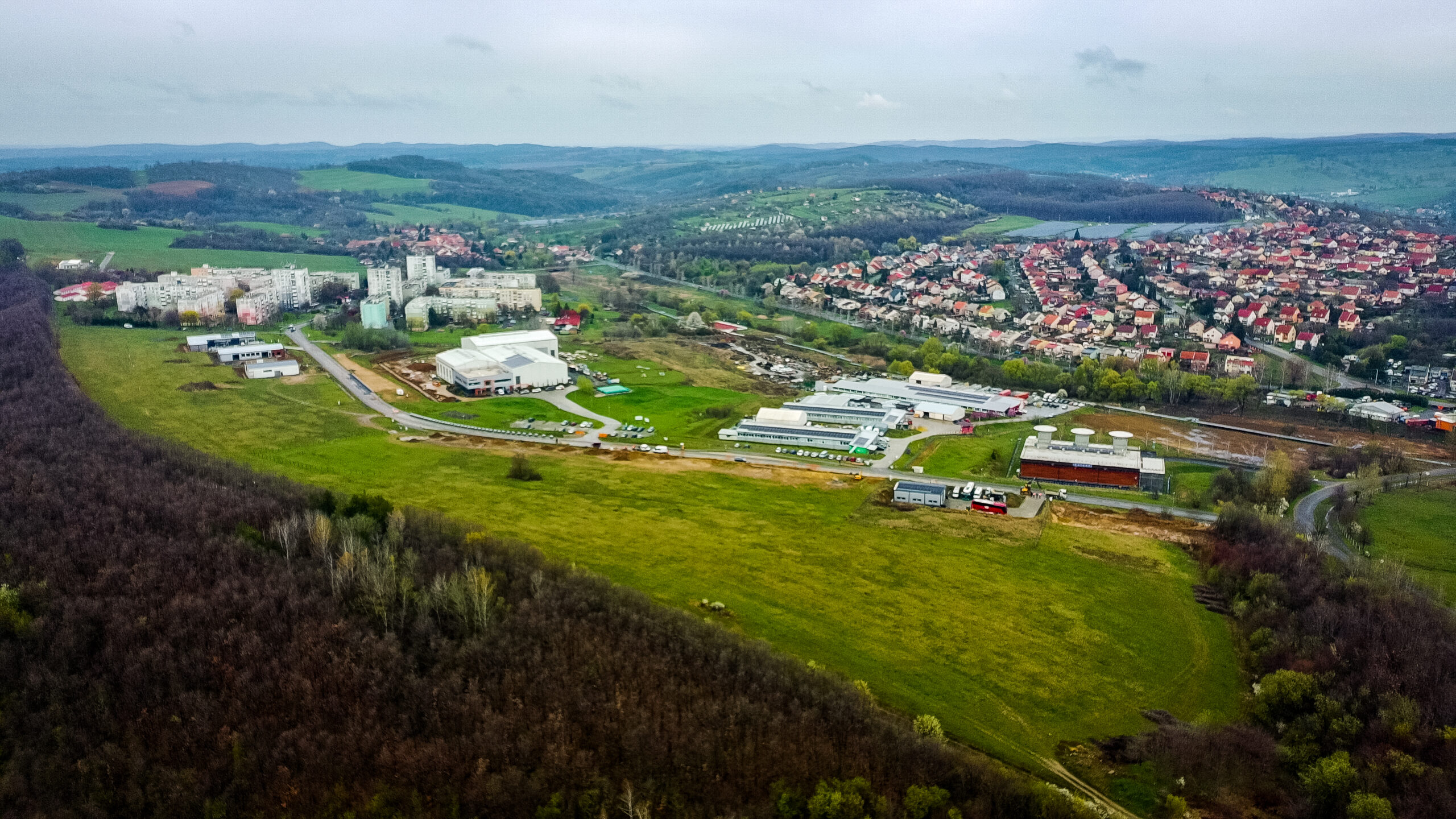

Not only is an apartment building being renovated in Pécs-Kertváros, but a pilot project is also being implemented that could, in the long term, set the direction for the modernization of Pécs’s entire stock of prefabricated apartment buildings. The project underway at Nagy Ferenc Square is being carried out as part of the POSIFIT program and aims to explore how traditional prefabricated apartment buildings can be renovated in the most energy-efficient way possible.
The project involves a 40-unit wing of the building. The goal is not merely to renovate the building, but also to significantly reduce energy consumption and lower residents’ utility bills.
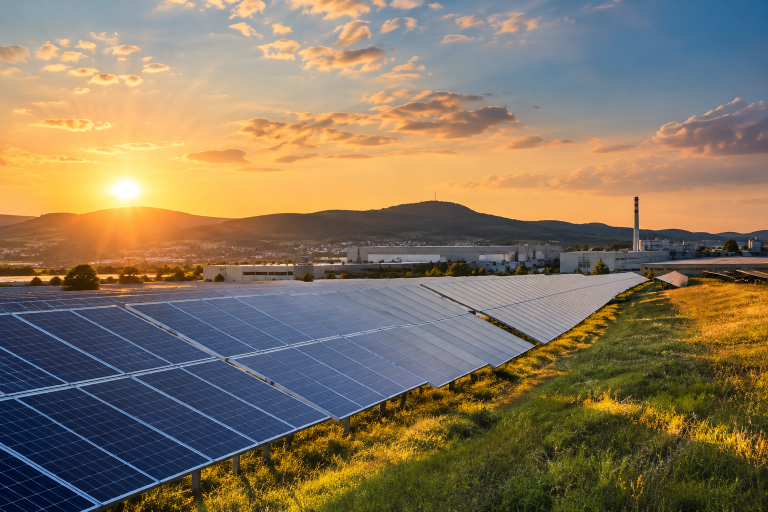
During the renovation, state-of-the-art thermal insulation will be installed, the building’s structural elements will be renovated, and a solar panel system will be installed. Thanks to these measures, the building’s energy consumption can be significantly reduced, while the comfort of the apartments will also improve.
What makes this project unique is that it is not viewed as a one-off investment. The experience gained here can be applied to other apartment buildings in the future, so the results of this development extend beyond the forty apartments involved.
This is a particularly important issue for Pécs. A significant portion of the city’s housing stock consists of prefabricated apartment buildings, most of which were built in the second half of the last century. In many cases, their energy efficiency no longer meets today’s standards, while maintenance costs continue to rise.
These upgrades are therefore important for more than just environmental reasons. Lower energy consumption means lower utility bills for families, increases property values, and also helps reduce the city’s carbon dioxide emissions.
The suburban development project is also well aligned with European initiatives that view improving the energy efficiency of the building stock as one of the most important tools for climate protection. The Pécs project is therefore not only a development of local significance but also a pilot program whose results can be monitored by other cities in Hungary.
If the model lives up to expectations, more and more apartment buildings in Pécs may embark on a similar modernization path in the future, which could lead to lower utility costs, a more livable residential environment, and more sustainable urban operations.