
Körber Hungária is implementing a 14.5 billion forint investment program in Pécs, which will create 100 new jobs in the region. The development aims to expand production capacity, increase the added value of the products and services manufactured at the Pécs site, and establish and upgrade a new regional service center.
The investment was announced at a site in Pécs, where it was stated that the program is not solely focused on manufacturing development, but also builds knowledge-intensive service capabilities that are competitive on an international level. The government is supporting the investment with 2.3 billion forints, which will directly contribute to the creation of 100 new jobs.
There is a clear industry trend behind this development: the company’s operations in Pécs have undergone a significant transformation in recent years. Körber was previously known primarily as a manufacturer of tobacco industry machinery, but its portfolio has since expanded, and the focus has increasingly shifted toward higher-value-added solutions, including medical devices. This shift entails not only new products but also more complex engineering expertise, stricter quality assurance, and more advanced supplier and project management capabilities—that is, industrial competencies that can lead to more stable long-term employment and stronger local economic integration.
Another key component of the investment package is the regional service center. Service centers—particularly those providing IT, engineering, financial, and management support functions—typically create jobs requiring high levels of education and language skills, and offer career paths that help retain young, college-educated workers locally. According to a government statement, there are 245 service centers operating in Hungary, employing a total of 125,000 people, with an average age of 34.5 years—this clearly demonstrates that the sector is a major employer of young, skilled workers.
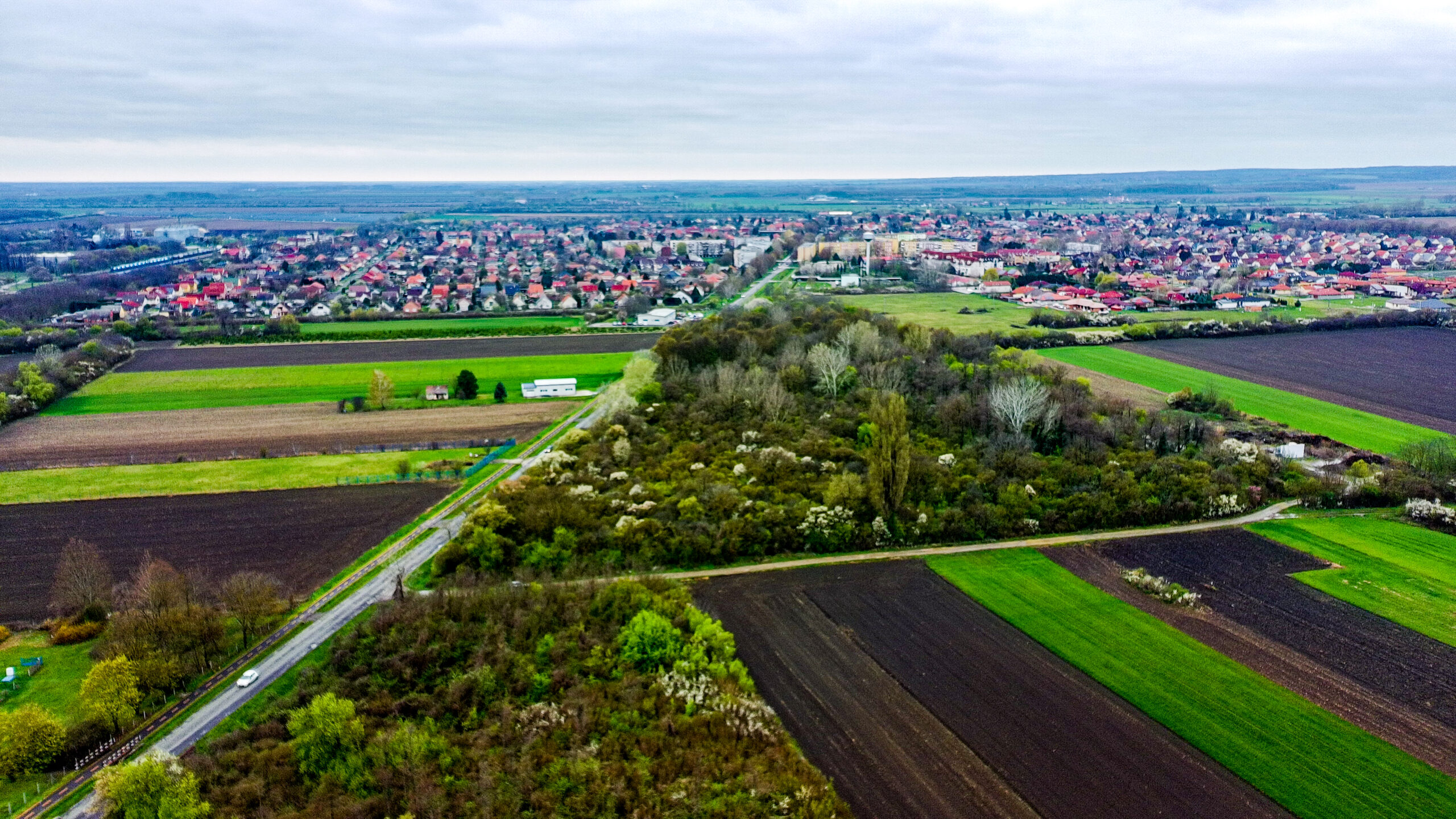
The development in Pécs is part of a broader economic strategy for Baranya County. According to government data, the value of industrial production in Baranya County rose from approximately 350 billion forints to 1,120 billion forints over a ten-year period, while unemployment fell from 11% to below 6%; a key factor in this was the implementation of 85 major state-subsidized investment projects in the region, totaling 314 billion forints and creating 6,300 new jobs.
Körber Hungária’s investment thus represents both an expansion of industrial capacity and the development of knowledge-based services—a combination that is particularly valuable in a city with a strong university presence and access to training in engineering, information technology, and economics. From an investor’s perspective, this sends a clear message: Pécs and Baranya can be positioned not only as a manufacturing hub but also, increasingly, as a region capable of hosting high-value-added international service and engineering projects.